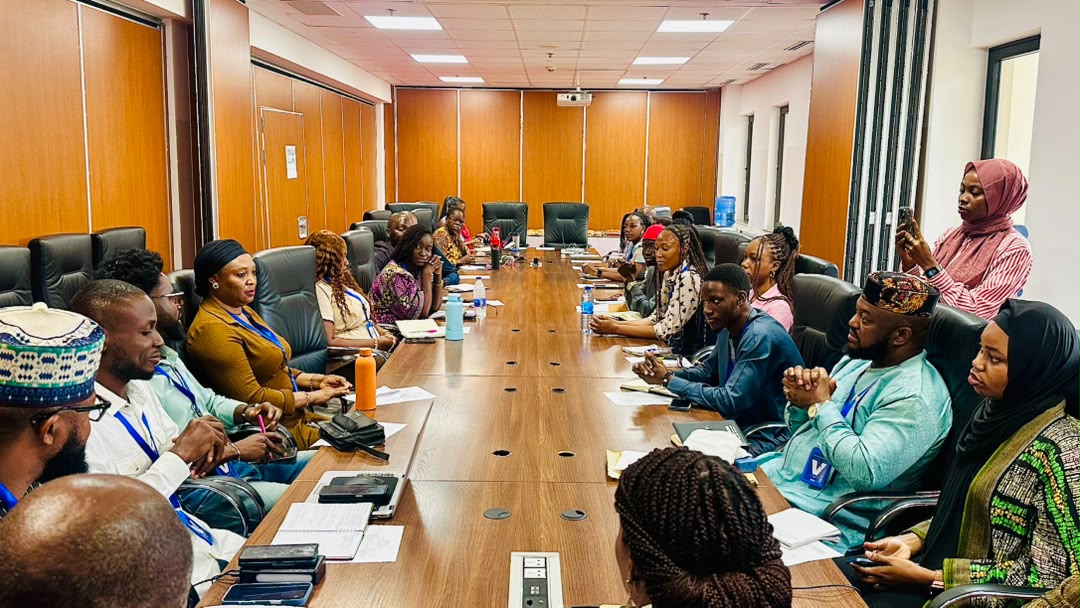
The United Nations has challenged Nigerian youths to move beyond calls for inclusion and take practical steps to prevent conflict, strengthen social cohesion and become active drivers of peace in their communities.
The charge was delivered at a high-level youth dialogue organised by the Peace and Development Unit of the United Nations Resident Coordinator’s Office in Nigeria at the UN House in Abuja under the theme, “Hear Us. Act Now for a Peaceful World.”
The event brought together young peacebuilders, civil society organisations, development partners and conflict resolution experts to explore strategies for harnessing the energy, innovation and leadership of young people in promoting sustainable peace across Nigeria.
Opening the dialogue, the Peace and Development Adviser in the UN Resident Coordinator’s Office, Ms. Grace Kpohazoude, reaffirmed the UN’s commitment to amplifying youth voices and fostering meaningful intergenerational dialogue.
She stressed that while young people must continue to demand inclusion in governance and peace processes, they must also embrace greater responsibility by translating their ideas into concrete actions through volunteerism, advocacy, community mobilisation and civic engagement.
Experts at the forum, including Dr. Joseph Ochogwu of the Institute for Peace and Conflict Resolution, Rev. John Joseph Hayab of the Global Peace Foundation Nigeria, Dr. Emmanuel Nkanta of the National Peace Committee and Dr. Arome Salifu of the Africa Youth Growth Foundation, underscored the critical role of young people in conflict prevention, ethical leadership and community development.
The speakers argued that sustainable peace cannot be achieved solely through government intervention but must be nurtured at the grassroots through dialogue, integrity, accountability and active citizen participation.
They warned that leadership devoid of transparency and inclusion often fuels grievances that can trigger instability, stressing that peacebuilding is a continuous process requiring commitment, patience and collaboration.

The dialogue comes amid persistent security challenges across Nigeria, including violent extremism, banditry, communal conflicts, displacement and poverty, which continue to threaten national stability and disproportionately affect young people.
Participants noted that while youths remain among the most vulnerable to recruitment by violent groups, they also represent the country’s greatest asset for conflict prevention, reconciliation and community resilience.
The discussions reflected the United Nations’ broader Youth, Peace and Security Agenda, anchored on UN Security Council Resolution 2250, which recognises young people as key partners in conflict prevention, peacebuilding and post-conflict recovery through participation, protection, prevention, partnerships, and disengagement and reintegration.
The meeting also highlighted successful UN-supported initiatives in Nigeria, particularly in the North-West, where young people have been integrated into community-based early warning and early response mechanisms designed to detect and defuse potential conflicts before they escalate.
During the interactive session, participants examined ways to strengthen grassroots peacebuilding, improve collaboration among stakeholders and bridge the gap between young people and decision-making institutions.
They called for greater investment in youth-led peace initiatives, expanded mentorship opportunities and stronger partnerships involving government agencies, civil society organisations, faith-based institutions, academia and development partners.
Participants also recommended institutionalising the Abuja Peace Circle as a regular platform for intergenerational dialogue, establishing a dedicated WhatsApp community to sustain engagement and creating more opportunities for emerging peacebuilders to influence policy and implementation.
The forum concluded with a shared commitment that lasting peace in Nigeria requires inclusive leadership and collective action, with participants stressing that meaningful youth inclusion must go beyond consultation to providing young people with the resources, trust and decision-making authority needed to shape the country’s future.
The meeting ended on a strong note that Nigeria’s peace and development agenda cannot succeed without the active participation and leadership of its youthful population.