Nigeria is intensifying efforts to attract billions of dollars in diaspora investments by addressing the trust deficit, poor transparency and weak investor protection mechanisms that have continued to discourage Nigerians abroad from investing in the domestic economy.
The Nigerians in Diaspora Commission (NiDCOM) and the Nigeria Diaspora Summit Initiative (NDSI) have identified credible investment opportunities, regulatory transparency and accountability in project execution as critical to unlocking diaspora capital for national economic development.
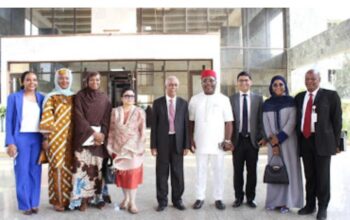
Chairman/Chief Executive Officer of NiDCOM, Hon. Abike Dabiri-Erewa, stated this on Tuesday at the opening of the ninth Nigeria Diaspora Investment Summit (NDIS) 2026, themed, “Bridging the Trust Gap: Connecting Diaspora Capital with Credible Home-Based Opportunities.”
Dabiri-Erewa said Nigerians in the diaspora possessed enormous financial, professional, entrepreneurial and intellectual resources capable of supporting Nigeria’s ambition to build a $1 trillion economy if appropriate investment channels and institutional safeguards were established.
She noted that although Nigerians abroad contributed billions of dollars annually through remittances, much of their investment potential remained untapped due to concerns over unreliable project information, opaque transactions, fraudulent schemes and inadequate investor protection.
According to her, converting diaspora resources into productive investments requires moving beyond informal arrangements and patriotism-driven appeals to structured, transparent and commercially viable opportunities.
“Unlocking diaspora capital requires more than passion or patriotism; it demands institutional transparency, robust regulatory safeguards, verified service providers, and clear investor protection frameworks,” she said.
The NiDCOM boss explained that the summit was designed to provide prospective investors with direct access to government institutions responsible for regulating financial markets, facilitating infrastructure investments and improving Nigeria’s business environment.
She said the first day of the summit focused on capital market opportunities, with the Securities and Exchange Commission (SEC), Nigerian Exchange Group (NGX), Central Bank of Nigeria (CBN) and Ministry of Finance Incorporated (MOFI) expected to provide guidance on regulated financial instruments, investment risks, entry requirements and dispute resolution mechanisms.
The second day is dedicated to infrastructure investment and regulatory frameworks, with the Infrastructure Concession Regulatory Commission (ICRC), Nigerian Sovereign Investment Authority (NSIA), MOFI and Corporate Affairs Commission (CAC) expected to provide information on investment opportunities, including Public-Private Partnership projects.
Other participating agencies, including the Presidential Enabling Business Environment Council (PEBEC) and Nigerian Export Promotion Council (NEPC), are expected to address business registration, regulatory compliance, anti-fraud measures, property documentation and reforms to improve the business climate.
Dabiri-Erewa said the interactive sessions would enable Nigerians abroad to scrutinise investment opportunities, obtain reliable information and engage directly with regulators on due diligence and the protection of their funds.
She urged diaspora investors to abandon informal and unverified investment arrangements and take advantage of the institutional mechanisms being presented at the summit.
“Under the Renewed Hope Agenda of President Bola Ahmed Tinubu, Nigeria is open, improving, and ready for your structured engagement,” she said.
She also challenged participating regulatory agencies, financial institutions and service providers to demonstrate accountability and strengthen investor confidence.
In his welcome address, Chairman of the Summit Organising Committee and NDIS Coordinator, Mobolaji Lewis, said the major obstacle to diaspora investment was not a lack of financial resources or interest among Nigerians abroad, but persistent concerns about the credibility of investment opportunities and the security of their funds.
He identified transparency, regulatory processes, project execution, financial accountability and investor protection as essential factors influencing investment decisions.
Lewis described the summit as an important platform for connecting Nigerians abroad with domestic investment opportunities, institutions and stakeholders, while translating their financial resources, professional expertise, entrepreneurial capabilities and international networks into productive economic activities.
He explained that the decision to scale down the physical gathering in 2026, partly due to the national election campaign season, informed the adoption of a two-day virtual engagement to sustain investment promotion and institutional collaboration.
According to him, the organisers deliberately shifted the focus from merely showcasing investment opportunities to helping prospective investors understand how to identify, verify, access and participate in credible projects.
“Building investor confidence requires a coordinated institutional response. No single organisation can independently address all the concerns of prospective investors,” Lewis said.
He urged participating government agencies, regulators and financial institutions to make their presentations practical, transparent and investor-focused, while encouraging diaspora participants to seek clarification and engage directly with relevant institutions.
Lewis stressed that the success of the summit should be measured not by the number of participants or presentations, but by the quality of engagements, confidence generated and investment partnerships established.
He added that the 2026 virtual engagement would lay the foundation for the 10th edition of the Nigeria Diaspora Investment Summit in 2027.
The summit is organised by NDSI in collaboration with NiDCOM, with support from corporate partners, including First Bank of Nigeria Plc, O3 Capital and AG Mortgage.
Nigeria’s renewed drive to attract diaspora investments comes amid its longstanding reliance on remittances from citizens abroad as a significant source of foreign exchange and household support.
However, converting a larger proportion of these financial inflows into long-term productive investments remains a major economic policy challenge.
Industry stakeholders maintain that prospective investors require verifiable projects, transparent transactions, effective regulatory oversight and reliable mechanisms for resolving disputes before committing substantial capital.
The organisers therefore believe that rebuilding confidence in Nigeria’s investment environment is essential to ensuring that diaspora resources translate into viable businesses, infrastructure development and sustainable economic opportunities.