The United Nations has raised concerns that Nigeria is off-track on nearly 60 percent of its Sustainable Development Goals (SDG) indicators, citing gender inequality and the marginalization of women and girls as major obstacles to progress.
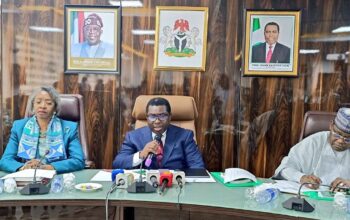
Speaking at a UN Women event titled “Closing the Gender Gap: Financing Solutions for SDG 5,” Mohamed Fall, the UN Resident and Humanitarian Coordinator in Nigeria, emphasized the critical role of gender equality as a catalyst for progress across all SDGs, including education, health, economic growth, climate action, and peace and security.
“Gender equality is not just a goal in itself; it is a catalyst for progress across all SDGs,” Fall stated, highlighting the severe challenges faced by Nigeria in achieving these targets. He noted that gender disparities continue to hamper progress, with over 70% of women in rural areas lacking access to basic education and healthcare, and Nigeria ranking 130th out of 166 countries on the Global Gender Gap Index. Additionally, women occupy less than 5% of seats in Nigeria’s national parliament, reflecting significant underrepresentation in decision-making processes.

Fall underscored the importance of a strategic and well-financed commitment to SDG 5, which focuses on achieving gender equality and empowering all women and girls. He called for increased funding to provide access to quality education, healthcare, and economic opportunities for women, as well as targeted programmes and legal reforms to reduce gender-based violence.
Ms. Beatrice Eyong, UN Women Country Representative to Nigeria and ECOWAS, reiterated the importance of SDG 5, stressing that gender equality is fundamental to building a more equitable and inclusive society. She emphasized the need for gender-responsive budgeting to ensure adequate financial resources are directed toward closing the gender gaps that persist across various sectors in Nigeria.

Princess Adejoke Orelope-Adefulire, Senior Special Assistant to the President on Sustainable Development Goals, outlined Nigeria’s strategic approach to implementing the SDGs at both national and sub-national levels. She noted that efforts have been made to integrate the SDGs into sectoral policies and plans, with initiatives such as the Economic Recovery and Growth Plan (2017-2020) and the National Poverty Reduction with Growth Strategy (2021).
Orelope-Adefulire highlighted the critical role of the private sector in financing sustainable development, with the current National Development Plan (2021-2025) estimating a total investment requirement of N348.1 trillion. She stressed the importance of robust monitoring and evaluation mechanisms, including periodic progress reports and Voluntary National Reviews, to track Nigeria’s progress toward the 2030 deadline.
As the 2030 deadline approaches, UN officials and stakeholders continue to call for enhanced efforts to address gender inequality, improve financing, and strengthen implementation strategies to achieve the SDGs in Nigeria.