ActionAid Nigeria has raised urgent concerns about ongoing fuel price increases, which it says have exacerbated poverty and hunger, leaving millions of Nigerians on the edge of survival.
The organization warns that prolonged hardship may lead to a surge in criminal activities like kidnapping and armed robbery, especially as the festive season approaches.
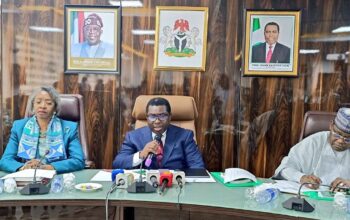
In Abuja, ActionAid Nigeria’s Country Director, Andrew Mamedu, described the latest fuel hikes as crippling for families, small businesses, and communities already struggling to make ends meet. “Transportation costs have doubled, and food has become a luxury many cannot afford,” Mamedu said, adding that the health sector is also in crisis. Recent data indicates that around 50% of private hospitals have closed due to rising operational costs, leaving countless Nigerians without adequate healthcare access.
Mamedu criticized the government’s lack of pro-poor policies, stating, “This hardship may create fertile ground for crime, especially with escalating costs and a healthcare system under immense strain.” Despite a drop in global oil prices—from $80.36 in August to $74.05 in October 2024—fuel costs in Nigeria remain high due to the naira’s decline against the dollar, leaving Nigerians unable to benefit from global price reductions.
ActionAid questioned the government’s decision to overlook potential cost benefits from the Dangote Refinery, asking why imports continue to dominate despite higher prices. Mamedu raised concerns about regulatory policies that may be keeping domestic prices inflated, pushing affordable fuel out of reach for most Nigerians.
The organization also highlighted Nigeria’s recent ranking in the 2024 Ibrahim Index of African Governance, where the country fell to 33rd out of 54 African nations. “With low scores in inclusion (47%), equality (43%), and infrastructure (41%), Nigeria faces an economic and social crisis due to entrenched corruption and weak institutions,” Mamedu said. He called for transparency, infrastructure investment, and social protections to address disparities in healthcare, education, and economic opportunity.
Mamedu further voiced concerns about slow responses from the Nigerian Labour Union and civil society, stating that “Nigeria’s situation demands urgent, multidimensional action.” ActionAid urged the federal government to stabilize fuel costs, improve transparency in the oil sector, and better manage exchange rates to alleviate the burden on Nigerians.
ActionAid Nigeria, a civil society organization working toward social justice, gender equality, and poverty reduction, emphasized that without concrete measures, Nigeria risks deeper poverty and inequality, undermining its progress toward inclusive growth and development.