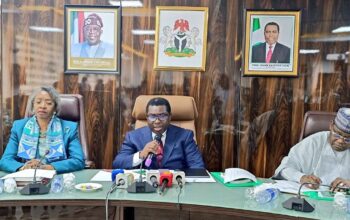
As Nigeria marks World Refugee Day, official figures reveal that the country is currently home to more than 127,000 refugees and asylum seekers, with over 47,000 residing in the conflict-affected north-eastern states of Borno, Adamawa, and Yobe.
These states continue to face severe humanitarian challenges, including persistent armed conflict, food insecurity, and climate-induced displacement—conditions that have compounded the struggles of those seeking refuge.
In a statement commemorating the global observance, Nigerian authorities and humanitarian partners paid tribute to the resilience and courage of refugees, emphasizing the need for compassionate, inclusive, and sustainable support systems. “Their struggles are not just numbers—they are real people, striving daily to rebuild their lives in the face of unimaginable hardship,” the statement read.
Stakeholders called on the government, civil society, and international partners to strengthen protection frameworks, ensure access to basic services, and prioritize long-term solutions that safeguard the dignity, rights, and well-being of displaced persons.
As part of ongoing efforts, humanitarian agencies continue to deliver critical assistance across camps and host communities, while advocating for policies that promote social integration, education, and livelihood opportunities for displaced populations.
This year’s World Refugee Day serves as a reminder of the urgent need to amplify refugee voices, stand in solidarity, and support meaningful reforms that leave no one behind.