ActionAid Nigeria, in collaboration with development partners, has called for stronger private sector participation in addressing reintegration challenges faced by returnees, internally displaced persons (IDPs), survivors of gender-based violence, and other vulnerable populations.
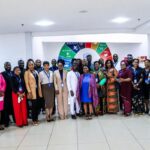
The call was made during a strategic stakeholders’ meeting in Abuja on Thursday, under the Reintegration and Empowerment for Connecting and Nurturing Opportunities of Vulnerable Population and Returning Migrants (RECONNECT) Project. The initiative focuses on promoting sustainable livelihoods, skills development, and entrepreneurship for marginalized groups.
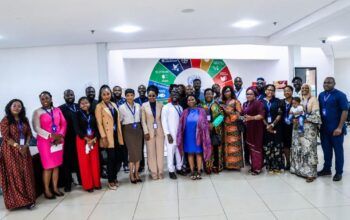
The meeting brought together business leaders from the hairdressing, fashion, shoemaking, and catering sectors, alongside key partners such as GIZ, GOPA, and the National Commission for Refugees, Migrants, and Internally Displaced Persons (NCFRMI), to explore private sector-driven models that deliver long-term social and economic impact.
ActionAid Nigeria’s Head of Programme, Celestine Odo, said the initiative seeks to help vulnerable groups rebuild their lives through skills training, psychosocial support, and entrepreneurship. “RECONNECT is helping to restore dignity, rebuild livelihoods, and foster resilience among those displaced or marginalized,” Odo stated.
He urged businesses to move beyond charity-driven Corporate Social Responsibility (CSR) and invest in inclusive economic initiatives that promote job creation and community-based enterprises. “This dialogue is about bridging the gap between CSR commitments and the real needs of vulnerable groups. Through CSR, businesses can support skills development, create jobs, and invest in enterprises that strengthen local economies,” he added.
Odo emphasized the need for visionary, collaborative action that aligns business goals with social impact. “We must commit to partnerships that transform lives — not just for today, but for generations to come,” he said.
David Habba, Humanitarian and Resilience Specialist, also called on the private sector to recognize its shared responsibility toward societal development. “Every business has an obligation to give back to the society that made their progress possible,” Habba said, adding that economic reintegration helps reduce re-migration and unlocks the resilience of returnees.
He noted that many businesses already engage in CSR unknowingly and encouraged them to formalize these efforts to enhance accountability and collective impact. “Your systems may not yet recognize the support you offer as CSR. Recognizing and formalizing it strengthens both business integrity and societal benefit,” he stated.

Victor Ossai, representing GIZ, highlighted the organization’s mission to strengthen partner structures that support safe migration and sustainable reintegration. “We are working with multiple agencies and partners to build systems that create educational and employment opportunities while ensuring effective reintegration for returnees,” she said.
Ossai emphasized the importance of expanding outreach to ensure more communities benefit from reintegration and development programs. “We must reach those who have not yet heard about these initiatives to ensure inclusivity and wider access to opportunities,” she added.
Presented by Abraham, Program Advisor, the RECONNECT Project has so far trained over 400 beneficiaries in vocational skills and supported business startups through cooperatives, market linkages, and business fairs. The project also provides psychosocial and legal support, health services, and mentorship programs to strengthen community resilience and social cohesion.
Through these interventions, ActionAid and its partners aim to create sustainable pathways for reintegration, reduce vulnerability, and foster inclusive growth by linking private sector innovation with social responsibility.