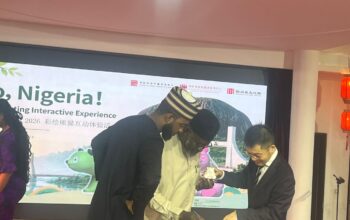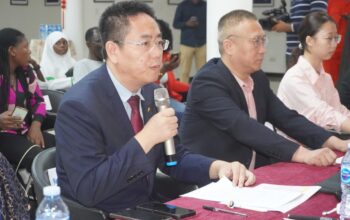
The Korean Cultural Centre Nigeria has intensified efforts to strengthen cultural diplomacy and people-to-people relations between Nigeria and South Korea through the expansion of its K-Heritage Festival, a cultural initiative promoting traditional Korean arts, music and heritage education.
Organisers said the Abuja edition of the festival reflects deepening cultural exchanges between both countries and a deliberate effort to expose Nigerians to the traditional roots of Korean culture beyond the global popularity of K-Pop.
Speaking during the event in Abuja at the weekend, Event Manager at the Korean Cultural Centre, Yoonjin Lee, said the festival was designed to showcase the richness of Korean traditional performances and cultural identity to Nigerian audiences increasingly interested in Korean entertainment and culture.
According to her, while K-Pop continues to attract widespread appeal among young audiences globally, the K-Heritage Festival aims to introduce Nigerians to indigenous Korean music, dance and traditional artistic expressions.
“K-Pop is more like the modern type, more attracted by young people. But the K-Heritage Festival is trying to also bring Korean traditional performances to Nigeria,” she said.
The festival, which debuted in Lagos in 2025, was extended to Abuja this year as part of efforts to broaden participation and deepen cultural engagement across Nigeria.
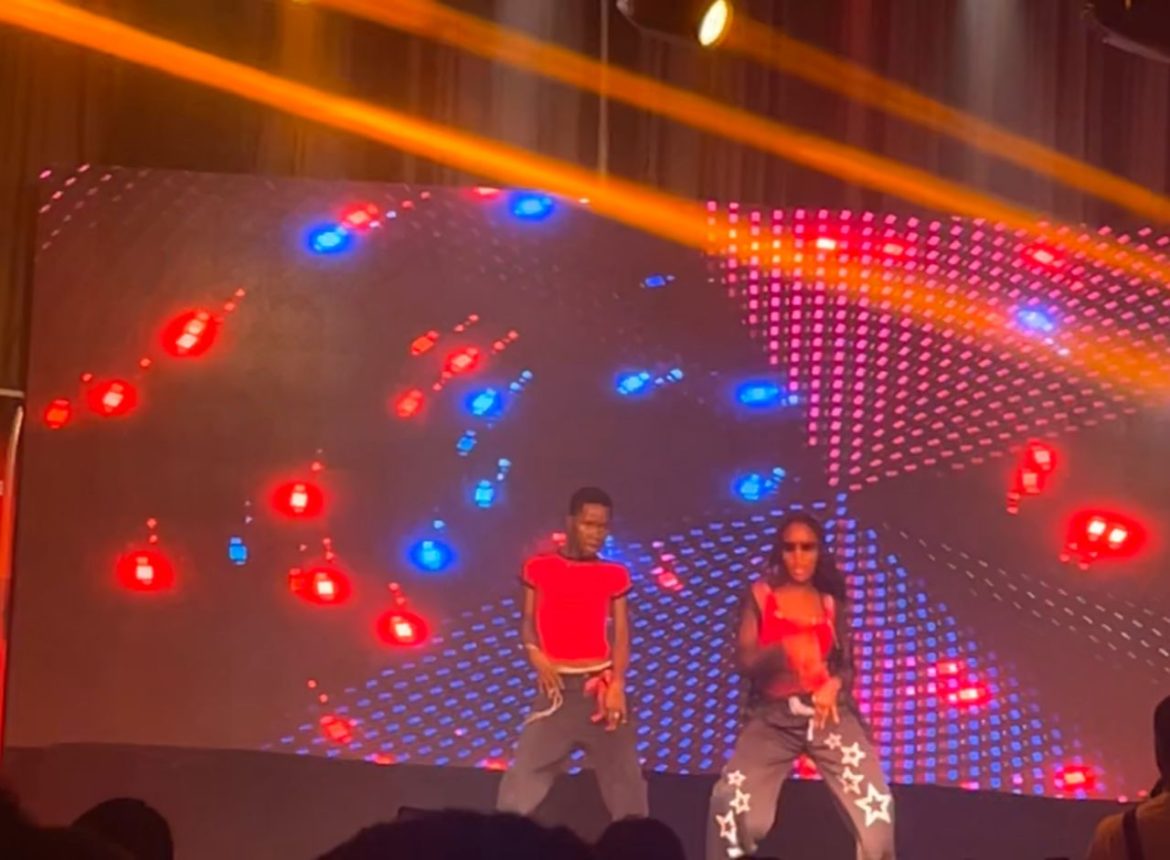
This year’s edition featured performances by Korean traditional performance duo Melissa Minseong Seo and Hyunjung Park of the group Sorichum, who entertained audiences with displays of traditional Korean music and dance.
In addition to stage performances, the artistes conducted intensive two-day workshops where Nigerian participants received training in Korean fan dance and the use of the traditional Korean percussion instrument, Janggu.
Participants who attended the workshops later performed during the festival alongside students of the Korean Cultural Centre and winners of previous K-Pop competitions.
Lee described the enthusiasm and commitment displayed by Nigerian participants as impressive.
“The students only learned for two days, but they performed perfectly. People are really enjoying it,” she said.
She noted that growing audience participation indicates that Nigerian interest in Korean culture is evolving beyond contemporary pop entertainment into deeper appreciation for Korea’s traditional heritage.
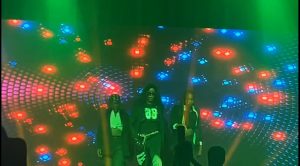
According to her, the K-Heritage Festival forms part of the centre’s broader mission to present different dimensions of Korean identity, history and artistic traditions to Nigerian audiences.
“We really want to show different stages of Korean culture. K-Pop is very big, but as a Korean Cultural Centre, we also want to bring traditions and opportunities for people to experience them,” she added.
The increasing popularity of Korean cultural programmes in Nigeria mirrors the wider global expansion of the “Korean Wave,” popularly known as Hallyu, driven by the international success of Korean music, films, television dramas, fashion and cuisine.
Over the past decade, South Korea has increasingly deployed cultural diplomacy as a soft-power strategy to strengthen global influence and international partnerships, particularly among younger populations.
Nigeria has emerged as one of the leading African countries embracing Korean cultural exports, with growing participation in K-Pop contests, Korean language classes, film screenings and cultural festivals organised by the Korean Cultural Centre in Abuja and Lagos.
The Korean Cultural Centre Nigeria has continued to organise language education programmes, cultural exhibitions, culinary events and entertainment festivals aimed at fostering stronger bilateral relations and mutual cultural understanding between both nations.
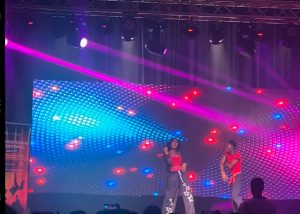
Lee disclosed that organisers are considering expanding traditional Korean cultural activities in Nigeria through additional workshops and festivals, particularly in Lagos.
She revealed that plans are underway for another Janggu drum festival, while traditional cultural classes are expected to be strengthened ahead of the possible introduction of K-Heritage competitions in future editions.
However, she noted that competitive events currently remain largely centred on K-Pop due to its strong appeal among young audiences.
She also announced that another K-Pop Festival would hold later this year in Lagos as organisers continue rotating major cultural events between Lagos and Abuja to ensure wider national participation.
Observers say the growing acceptance of Korean cultural festivals in Nigeria highlights the increasing role of cultural exchanges in international relations, where arts, music and shared experiences are becoming vital tools for strengthening diplomatic and economic cooperation between nations.