The West African Health Organisation (WAHO) has stepped up efforts to strengthen health knowledge sharing and evidence-based decision-making across the ECOWAS region, unveiling fresh measures aimed at improving disease surveillance, research collaboration and coordinated responses to public health emergencies.
The regional health agency said the initiative is designed to enhance the production, exchange and application of health information as West Africa continues to confront recurring disease outbreaks, climate-related health risks and mounting pressure on national healthcare systems.
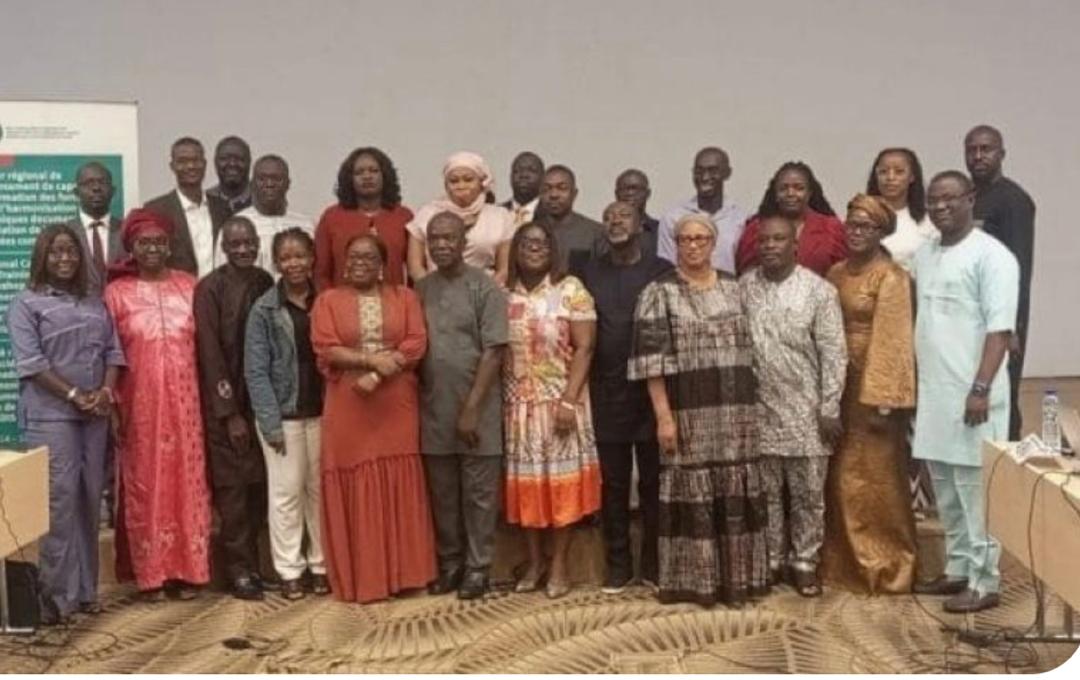
Speaking at a regional knowledge-sharing forum in Lomé, Togo, WAHO officials stressed that closer collaboration among researchers, policymakers and health institutions is essential to building resilient health systems capable of responding swiftly to emerging health threats.
The organisation noted that although significant health research is conducted across the region, many findings fail to influence public policy because they are inadequately communicated to decision-makers or not effectively shared among ECOWAS member states.
WAHO said improving access to reliable and timely health information would enable governments to make informed policy decisions, strengthen disease prevention programmes and enhance healthcare delivery for more than 400 million people across the 15-member regional bloc.
To bridge the gap between scientific research and policymaking, the organisation is promoting stronger partnerships among ministries of health, universities, research institutions, documentation centres and technical partners.
The initiative also encourages member states to exchange experiences, best practices and innovative approaches that have proven effective in tackling major health challenges, including infectious diseases, maternal and child health, and other public health priorities.
According to WAHO, regional cooperation remains critical because infectious diseases transcend national borders, making coordinated surveillance, information sharing and joint responses indispensable for effective prevention and control.
The organisation said its strategy focuses on strengthening national health information systems, enhancing research capacity, expanding regional documentation networks and improving mechanisms for the regular dissemination and utilisation of scientific evidence.
WAHO disclosed that it has already supported the development of regional health information policies and strategies, established platforms for sharing health data, linked documentation centres across ECOWAS countries and funded priority health research projects.
Despite these achievements, the agency acknowledged persistent challenges, including delays in disease surveillance reporting, underutilisation of existing information-sharing platforms and limited technical capacity in some member states to generate timely epidemiological reports.
Health experts at the meeting said addressing these gaps would significantly improve West Africa’s preparedness for future epidemics and strengthen regional coordination during health emergencies.
WAHO Director-General, Dr. Melchior Aïssi, has consistently emphasised that regional health integration depends not only on improved infrastructure and workforce development but also on effective knowledge sharing, stronger research collaboration and the harmonisation of standards across ECOWAS member states.
The renewed focus on knowledge management complements WAHO’s broader regional reforms, including the harmonisation of health training curricula, expansion of digital health systems, strengthening of disease surveillance networks and improvements in research governance.
Established in 1987 as the specialised health institution of the Economic Community of West African States (ECOWAS), WAHO is mandated to coordinate regional health policies and deepen cooperation among the bloc’s 15 member states. Over the years, the organisation has played a leading role in coordinating responses to major public health threats, including Ebola, Lassa fever, COVID-19 and Mpox, while advancing stronger health systems and regional integration across West Africa.