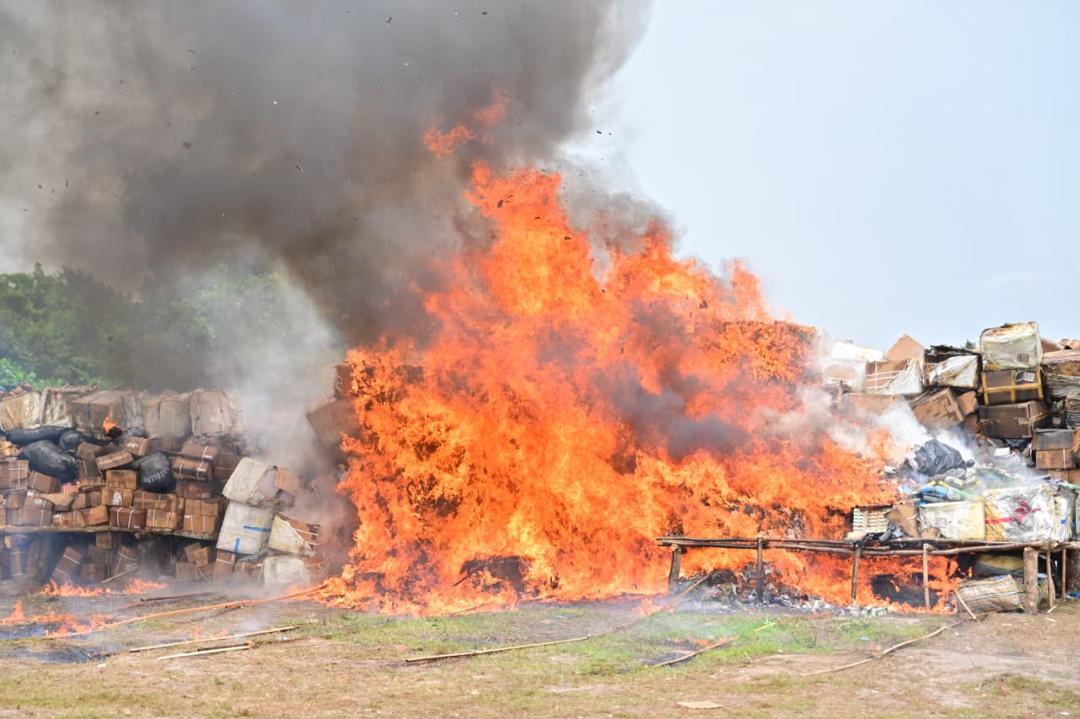
The National Drug Law Enforcement Agency (NDLEA) has destroyed 329,865.585 kilogrammes of assorted illicit drugs valued at an estimated N301.058 billion, warning drug barons, traffickers and financiers that its campaign will extend beyond seizures to dismantling the financial networks sustaining the illegal trade.
The court-ordered destruction was carried out on Monday at Navy Town, Ojo, Lagos, following orders of the Federal High Court, Lagos Judicial Division.
The drugs comprised consignments seized in concluded and uncontested cases, as well as abandoned shipments.
Of the total quantity destroyed, 246,864.535 kilogrammes was seized by the Lagos Strategic Command between April 2025 and May 2026, while 83,001.05 kilogrammes was recovered by the Murtala Muhammed International Airport, Tincan and Apapa Strategic Commands, the Marine Command and a Special Operations Unit in Lagos.
The substances included cocaine, heroin, methamphetamine, cannabis varieties such as Canadian Loud and skunk, ephedrine, tramadol, codeine syrup, other opioids and khat leaves.
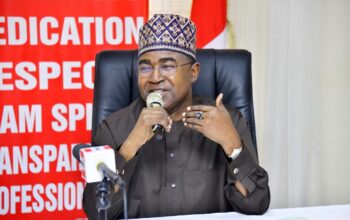
Speaking at the exercise, NDLEA Chairman and Chief Executive Officer, Brig. Gen. Buba Marwa (rtd.), said the destruction demonstrated Nigeria’s resolve to protect its citizens while denying criminal organisations the resources required to sustain their operations.
Marwa warned that the agency would not stop at intercepting and destroying narcotics but would pursue the individuals and financial structures behind the illicit trade.
“Wherever you hide, whoever sponsors you and however sophisticated your network may be, the long arm of the law will reach you,” he declared, pledging that the NDLEA would remain “resolute, relentless and uncompromising” in dismantling criminal networks and their financial backbone.
He said every kilogramme of narcotics removed from circulation represented more than the destruction of contraband, noting that drug abuse contributes to addiction, crime, impaired driving, family breakdown and wider social disruption.
According to him, the illicit drug economy also imposes significant economic costs by weakening the workforce, increasing healthcare expenditure, discouraging investment and diverting public resources that could otherwise be invested in education, healthcare and infrastructure.
Marwa further linked drug trafficking to Nigeria’s broader security challenges, warning that proceeds from the illegal trade can finance organised crime, terrorism and violent extremism.
He said the destruction exercise should therefore be viewed not only as a public-health intervention but also as a critical national security measure.
The NDLEA chairman commended President Bola Ahmed Tinubu for supporting the agency’s mandate and acknowledged the contributions of the judiciary, Lagos State Government, military, sister security agencies, international partners, civil society groups, traditional institutions, the media and members of the public.
He also praised NDLEA personnel across the country, particularly officers operating in Lagos, for the risks and sacrifices involved in combating drug trafficking.
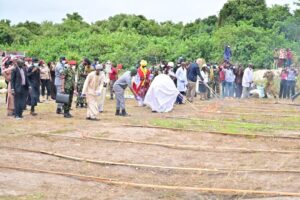
Lagos State Governor Babajide Sanwo-Olu described the destruction of nearly 330 tonnes of narcotics and psychotropic substances as a “huge and sobering reminder” of the scale of the drug threat facing Nigerian communities, particularly young people.
The governor, represented by the Secretary to the State Government, Mrs Bimbola Salu-Hundeyin, said the exercise demonstrated the impact of coordinated action among law enforcement agencies, the judiciary and government institutions.
He assured that the state would sustain its efforts to combat drug abuse and trafficking.
The Comptroller-General of the Nigeria Customs Service, Bashir Adewale Adeniyi, commended the NDLEA for its sustained campaign against the illicit drug trade.
Adeniyi said the volume of drugs destroyed was significant not only because of its monetary value but also because the seizures reflected enforcement operations across Nigeria’s airports, seaports and land borders.
He warned drug dealers that they were no longer welcome in Nigeria, linking the illicit drug economy directly to violent non-state actors.
According to him, proceeds from drug trafficking provide the “oxygen” that sustains criminal activities, including banditry, kidnapping, armed robbery, insurgency and terrorism.
He said the destruction of the consignments would deprive traffickers of investments worth billions of naira while denying violent groups potential resources to finance their operations.
He commended Marwa and NDLEA personnel for the seizures and their continued efforts to disrupt drug trafficking networks.
The Chief of Naval Staff, Vice Admiral Idi Abbas, represented by the Flag Officer Commanding Western Naval Command, Rear Admiral Abdullahi Mustapha, also assured the NDLEA of the Nigerian Navy’s continued support for the country’s drug-control efforts.
The latest destruction highlights the increasing emphasis on inter-agency cooperation, disruption of drug supply chains and targeting of criminal proceeds as Nigeria intensifies its campaign against illicit drugs and the organised networks behind the trade.
For the NDLEA, the message from Lagos was clear: destroying seized narcotics is only one part of the fight; dismantling the cartels and cutting off their financial lifelines is the bigger objective.