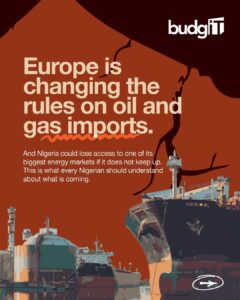
Non-governmental organisation BudgIT has warned that Nigeria risks losing a major source of revenue if it fails to urgently reduce methane emissions from its oil and gas operations.
The organisation said Nigeria already loses billions of dollars’ worth of natural gas through routine flaring annually, while tighter methane regulations in the European Union could further increase the economic cost of inaction.
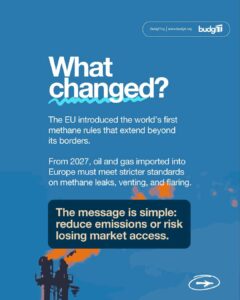
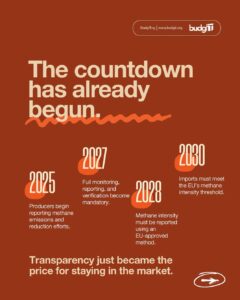
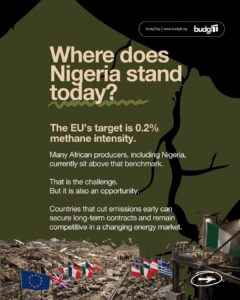
BudgIT noted that from 2030, exporters to the EU would face stricter methane-related requirements, potentially placing Nigeria’s oil and gas exports under greater pressure.
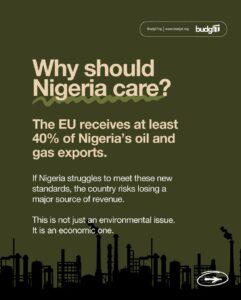
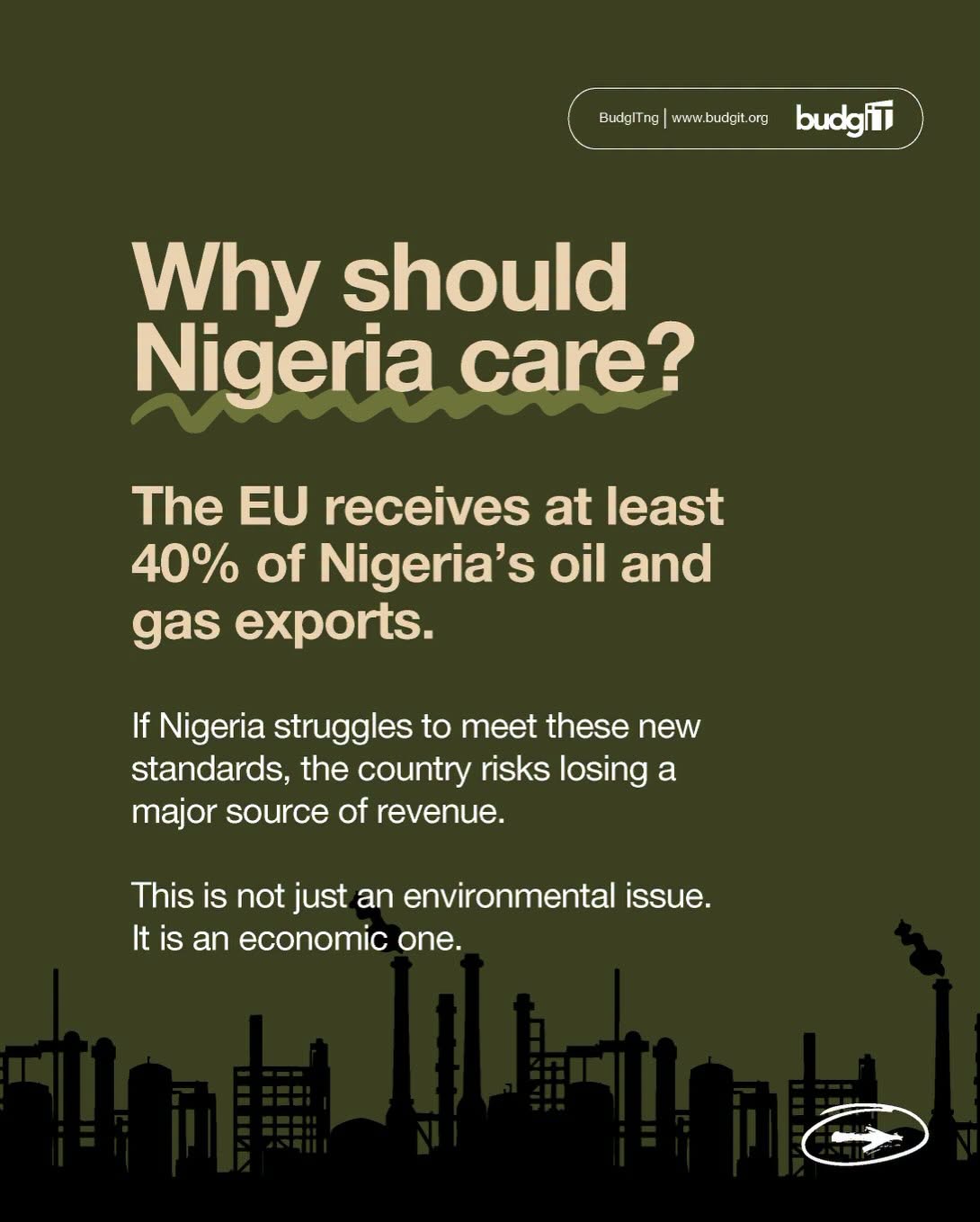
According to the organisation, the development is significant for Nigeria because the European Union remains an important market for the country’s oil and gas, meaning failure to meet emerging environmental standards could affect export access, government revenue and the competitiveness of the energy sector.
BudgIT stressed that the implications extend beyond potential revenue losses, warning that communities located around oil extraction and gas-flaring sites continue to bear significant health and environmental consequences.
It said exposure to pollution associated with oil and gas operations contributes to respiratory health problems, environmental degradation and increasing pressure on livelihoods, particularly in communities hosting extraction activities.
The organisation further warned that as international markets increasingly place a premium on lower-methane energy supplies, countries that fail to control methane emissions could face growing commercial disadvantages.
It urged Nigeria to treat methane reduction as both an environmental and economic priority, arguing that effective measures could help protect the country’s access to major international markets while reducing the health and environmental burden on oil-producing communities.
BudgIT said Nigeria faces a clear choice: strengthen efforts to reduce methane emissions and safeguard its position in the global energy market or risk losing revenue that could otherwise support essential public services.
The organisation called for stronger methane monitoring, greater accountability in the oil and gas sector and accelerated action to curb gas flaring, stressing that the issue should be treated as a national economic, environmental and public health concern.