- Filmmaker calls for transparent funding, stronger collaboration, improved distribution networks and a national film festival to boost Nigeria’s creative industry
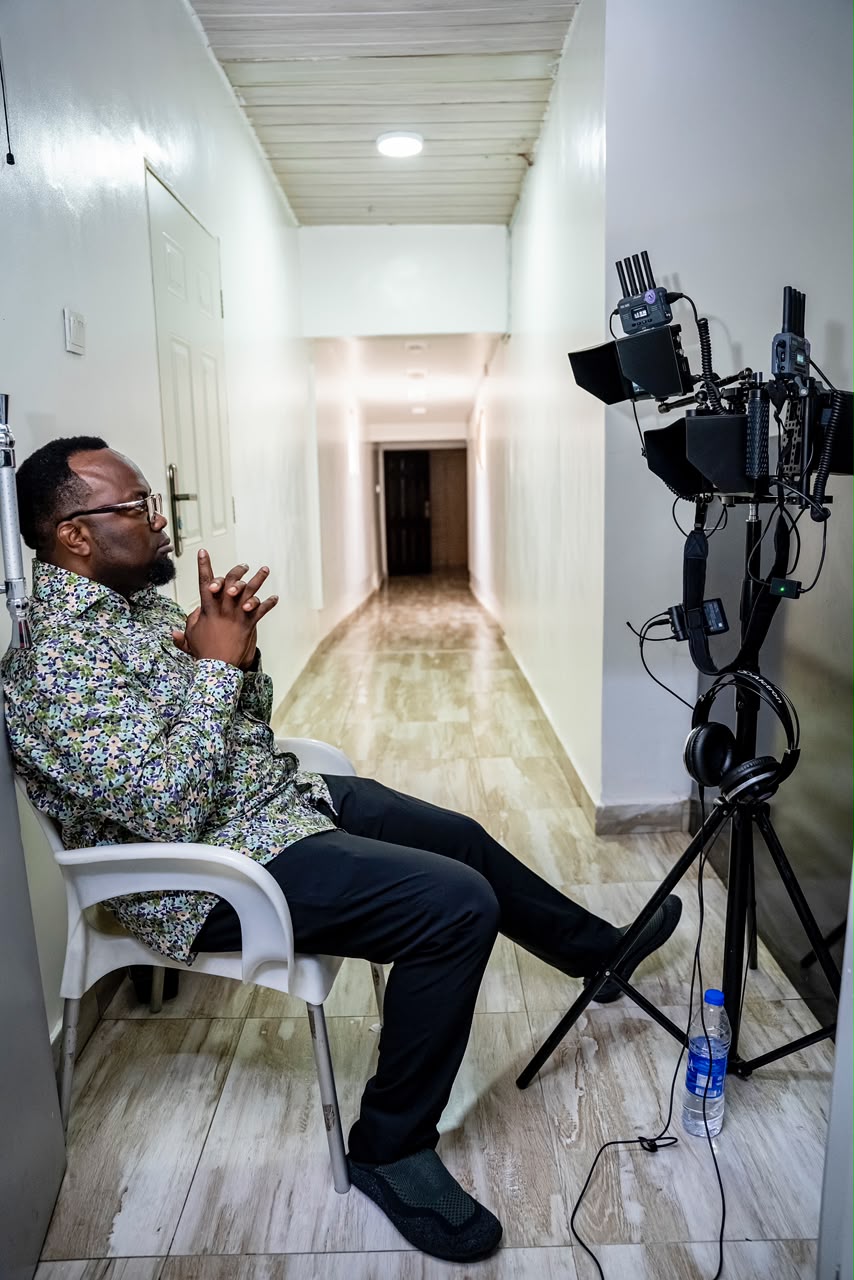
Filmmaker and Chairman of Fedmas Studios, Sam Idiagbonya, has called for increased investment in infrastructure, transparent access to funding, professional training and stronger collaboration to unlock the potential of Abuja’s film industry.
Idiagbonya said the Federal Capital Territory possessed the creative talent and conducive environment to develop into a major filmmaking hub but required deliberate institutional support, technical capacity development and efficient distribution systems to compete with established centres such as Lagos.
Speaking on the challenges confronting filmmakers in Abuja, he identified inadequate production facilities, limited access to finance, shortages of skilled technical personnel and weak distribution networks as major constraints to the industry’s growth.
He also lamented the limited exposure available to Abuja-based filmmakers, noting that the absence of sufficient platforms to showcase their productions had restricted their access to wider audiences and commercial opportunities.
“Abuja offers a good environment for filmmaking, but we need the infrastructure, the training and the freedom to create,” he said.
The Fedmas Studios chairman acknowledged Lagos as Nigeria’s dominant commercial filmmaking centre, supported by established marketing structures, distribution networks and access to industry opportunities. However, he maintained that filmmakers in Abuja could compete nationally and internationally by producing compelling stories and adopting strategies that extended their reach beyond local markets.
“My market is the world. Earth is my market,” he declared, urging filmmakers to develop content with universal appeal and explore opportunities across international markets.
Calls for transparency in creative funding
Idiagbonya questioned the transparency and accessibility of government-backed funding initiatives for the creative sector, insisting that filmmakers needed clear information about eligibility criteria, application procedures, disbursement timelines and the beneficiaries of such programmes.
“If you tell creatives that there is a fund, they need to know the mechanism, the criteria, the timeline and who has benefited,” he said.

He explained that filmmaking required substantial financial investment in equipment, personnel, locations, production logistics and post-production activities. According to him, announcements of funding schemes without clear implementation mechanisms make it difficult for practitioners to plan projects, mobilise resources and sustain production activities.
He called on relevant government agencies and institutions responsible for creative-sector financing to establish transparent processes that would enable qualified filmmakers, particularly emerging practitioners outside established industry centres, to access available opportunities.
Technical training key to quality productions
The filmmaker also emphasised the need to strengthen technical expertise across the industry, particularly in cinematography, lighting, sound engineering and production design.
He argued that operating a camera was not synonymous with possessing the specialised knowledge required for professional cinematography, stressing that quality productions depended on technical competence, practical experience and continuous professional development.
Idiagbonya called for expanded training opportunities to equip emerging filmmakers with the skills needed to meet professional standards and compete in an increasingly sophisticated global entertainment market.
He further urged practitioners to embrace collaboration, warning that professional disagreements, personal rivalries and disputes over ownership could undermine partnerships and weaken the industry’s collective capacity.
“The future of creativity is collaboration. You cannot do this alone,” he said.
He encouraged filmmakers to subject their scripts, concepts and production ideas to constructive criticism while pooling their resources, knowledge and expertise to improve the quality of their work.
According to him, a collaborative approach would help reduce production costs, encourage knowledge sharing and create opportunities for filmmakers to undertake projects that might be beyond their individual financial or technical capacities.
Digital platforms offer new opportunities
On distribution and profitability, Idiagbonya identified high production and marketing costs, delayed payments and the location of some cinema facilities far from residential communities as challenges affecting filmmakers’ ability to recover their investments.
He noted that the growth of digital platforms, including YouTube, had created additional opportunities for Nigerian filmmakers to reach audiences beyond the country’s borders.
However, he stressed that access to digital platforms alone was insufficient, adding that practitioners needed effective marketing strategies, audience-development skills and a better understanding of online monetisation to generate sustainable revenue from their productions.
“Today, you may be on YouTube. Tomorrow, you may be in the cinema. The next day, you may be on Netflix or working with an international platform,” he said.
He urged filmmakers to adopt flexible distribution models that would allow them to explore multiple channels, including cinemas, online streaming services and international partnerships, depending on the nature of their productions and target audiences.
Advocates national film festival
Idiagbonya also called on governments to broaden support for creative practitioners across Nigeria, rather than concentrate opportunities in established filmmaking centres.
He advocated the development of a stronger national film festival that would bring Nigerian and international filmmakers together for screenings, competitions, professional training, networking and the exchange of ideas.
Such a platform, he said, would provide emerging filmmakers with opportunities to showcase their work, attract potential investors, develop professional relationships and explore partnerships capable of opening up new markets.
He maintained that sustained government support, private-sector investment and cooperation among industry stakeholders were essential to building a more inclusive and competitive Nigerian film industry.
Idiagbonya urged aspiring filmmakers to remain committed to improving their skills, building professional networks and exploring diverse distribution channels despite the financial and structural challenges confronting the sector.
He said the future of Abuja’s film industry would depend largely on the ability of practitioners to combine creative storytelling with technical excellence, effective business strategies and collaborative production models.