A Federal Government investigative panel has attributed the deaths of 37 suspected illegal miners in the custody of the Nigeria Security and Civil Defence Corps (NSCDC) in Niger State to asphyxiation, recommending ₦1.4 billion in compensation for affected families and survivors.
The panel also recommended the summary dismissal of the Niger State NSCDC Commandant and other officers found to have been directly involved in the incident, describing the deaths as avoidable.
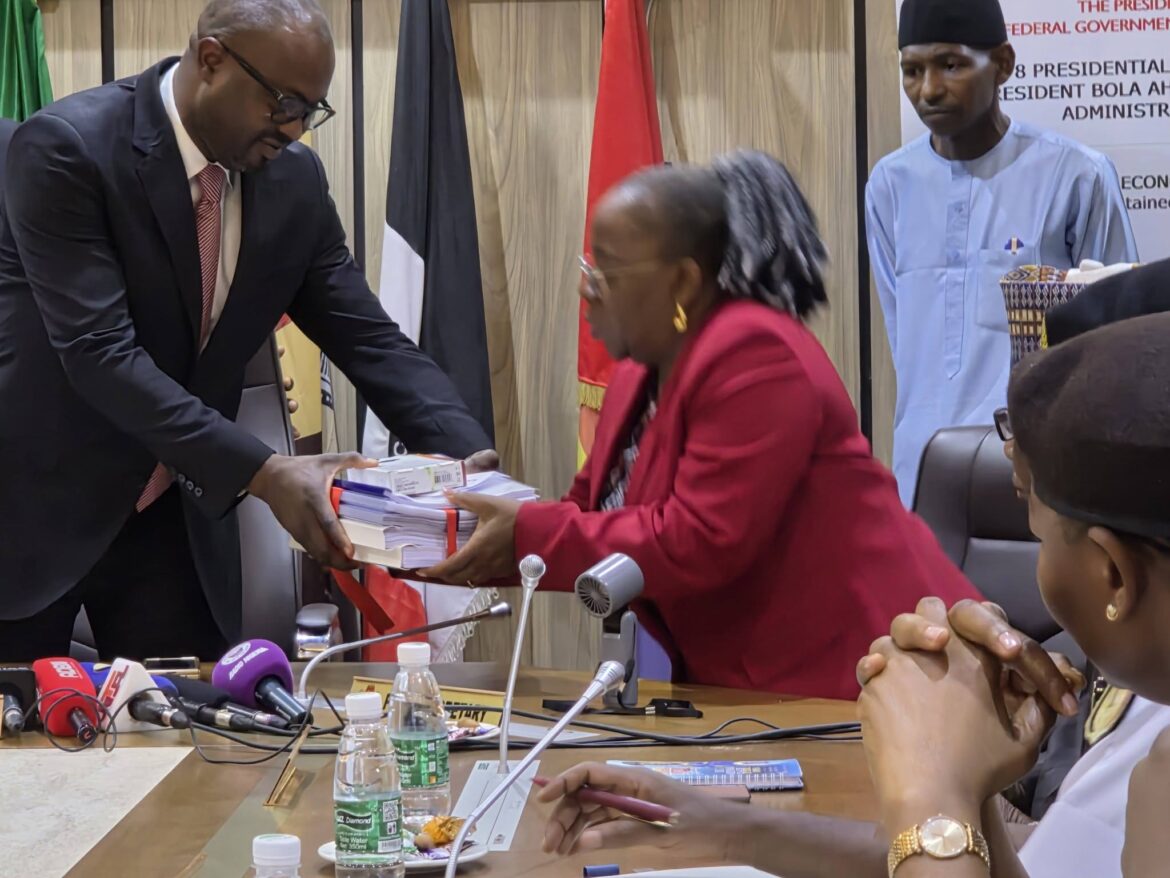
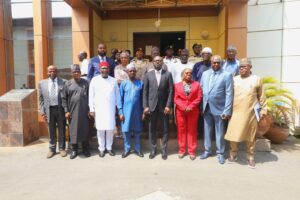
Chairman of the 10-member independent investigative committee and retired Deputy Director-General of the Department of State Services, Jonathan Kure, disclosed the findings on Tuesday while presenting the panel’s report to the Minister of Interior, Olubunmi Tunji-Ojo, in Abuja.
The investigation followed the deaths of the suspected illegal miners on September 17, 2026, while they were being detained by the NSCDC in Minna, the Niger State capital.
The victims were among dozens of people arrested during anti-illegal mining operations in the M.I. Wushishi and Lukoto areas of the state.
According to reports on the panel’s findings, the committee recommended ₦1.4 billion in compensation for the families of 33 deceased victims and 44 survivors affected by the incident.
It also called for the dismissal of the state commandant and officers whose involvement in the arrests, detention and circumstances surrounding the deaths was established.
The deaths sparked public outrage, particularly after it emerged that 14 of the deceased were reportedly minors, raising concerns about the treatment of young people held in security custody.
The Federal Government constituted the independent committee following public protests and President Bola Tinubu’s directive for a comprehensive, transparent and unhindered investigation into the incident.
The panel was mandated to establish the circumstances surrounding the arrests and detention, determine the causes of death, identify possible negligence or misconduct, and recommend appropriate sanctions and compensation.
The incident had earlier triggered protests in Minna, with residents and relatives of the deceased demanding explanations over how dozens of detainees could die while in government custody.
Initial accounts from the authorities suggested a possible disease outbreak. However, survivors reportedly described overcrowded and poorly ventilated detention conditions.
Some survivors also alleged that an unidentified substance was sprayed into their cell before detainees began experiencing breathing difficulties and other unusual symptoms.
The allegations raised questions about the conditions in which the suspects were held and whether security personnel responded adequately to their distress.
As part of its investigation, the committee inspected the detention facility, visited relevant locations, conducted autopsies and obtained statements from NSCDC personnel, survivors, relatives of the deceased and other witnesses.
It also reviewed documentary and forensic evidence to reconstruct the events leading to the deaths.
Before completing its work, the panel reportedly identified institutional weaknesses, alleged overzealousness among personnel and inadequate training as issues requiring attention.
The committee had sought additional time to complete the investigation, citing the volume of evidence, the need to review medical and forensic reports, and the importance of allowing persons implicated in the incident to respond to the allegations.
In September, Tunji-Ojo announced the suspension of the Niger State NSCDC Commandant and 20 other officers pending the outcome of the investigation.
Receiving the final report, the minister pledged that the Federal Government would implement the committee’s recommendations to ensure justice for the victims and prevent a recurrence.
Tunji-Ojo also reportedly directed the NSCDC leadership to suspend officers allegedly involved in cleaning the detention facility in an attempt to destroy evidence.
The latest findings have renewed concerns about accountability within Nigeria’s security agencies and the protection of the fundamental rights of people held in detention.
The implementation of the recommendations, particularly the proposed compensation, disciplinary sanctions and institutional reforms, is expected to test the government’s commitment to accountability and the prevention of deaths in custody.