The Economic Community of West African States (ECOWAS) and Germany have reaffirmed their commitment to strengthening bilateral cooperation, with Berlin pledging an additional €49 million to support regional development programmes in West Africa for 2025 and 2026.
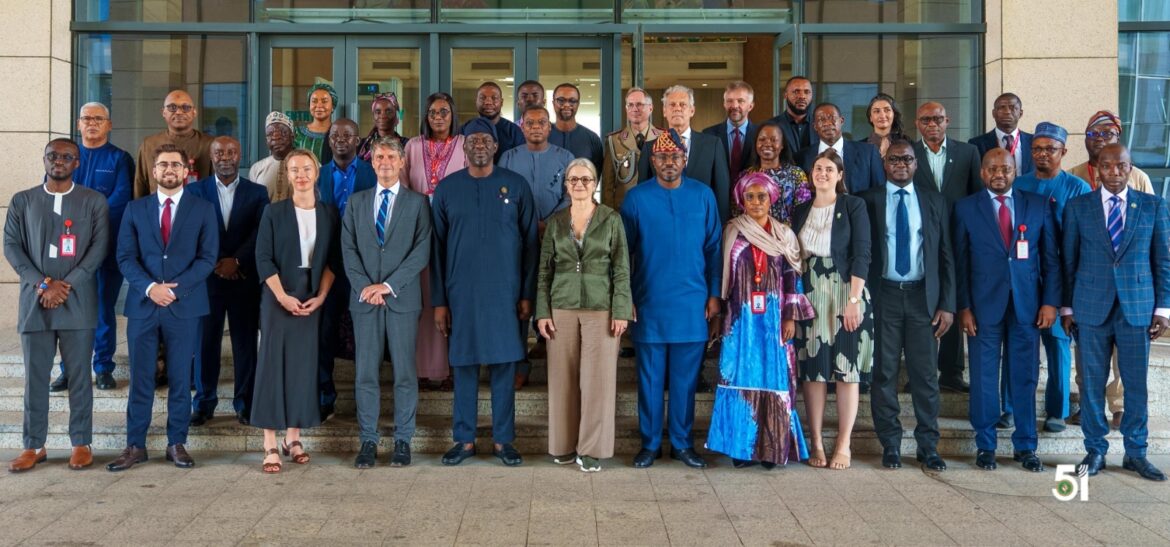
The commitment was highlighted at the opening of the strategic dialogue between ECOWAS and Germany in Abuja, aimed at reviewing existing partnerships and identifying new areas of collaboration.
Speaking at the meeting, ECOWAS Vice-President, Anthony Ogunjimi, described the engagement as a renewed approach to cooperation, shifting from traditional consultations to a more strategic, open and constructive partnership.
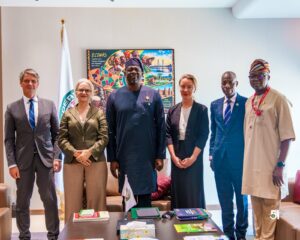
Ogunjimi, who represented the President of the ECOWAS Commission, Gen. Birame Diop, said the dialogue would provide an opportunity for both parties to deepen collaboration and address challenges affecting regional development and the welfare of West African citizens.
He expressed appreciation to the German government for its longstanding partnership and support for ECOWAS and the people of West Africa.
Germany, which has partnered with ECOWAS since 1985, has committed approximately €494 million in bilateral technical and financial cooperation over the years.
An additional €49 million was pledged for the 2025–2026 cooperation period during negotiations held in November 2025.
The funding comprises €32.8 million for financial cooperation and €16.2 million for technical cooperation.
The meeting was attended by the German Ambassador to Nigeria and ECOWAS, Stefan Rossel; a delegation from Germany’s Federal Ministry for Economic Cooperation and Development (BMZ), led by Karen Pfundt, Head of Division for West Africa II; representatives of the German development agency, GIZ; and directors and senior officials of the ECOWAS Commission.
The strategic dialogue is expected to strengthen institutional cooperation, review ongoing development programmes and provide a framework for identifying priority areas for future engagement between Germany and the regional bloc.