Médecins Sans Frontières (MSF), also known as Doctors Without Borders, has warned that more Nigerian children could die or suffer permanent facial disfigurement from noma, a largely neglected but preventable disease, unless the government urgently strengthens early detection, community surveillance and access to treatment.
The international humanitarian organisation said poverty, malnutrition, poor oral hygiene and late diagnosis continued to expose vulnerable children to the deadly infection, which can destroy facial tissues and bones within days if left untreated.
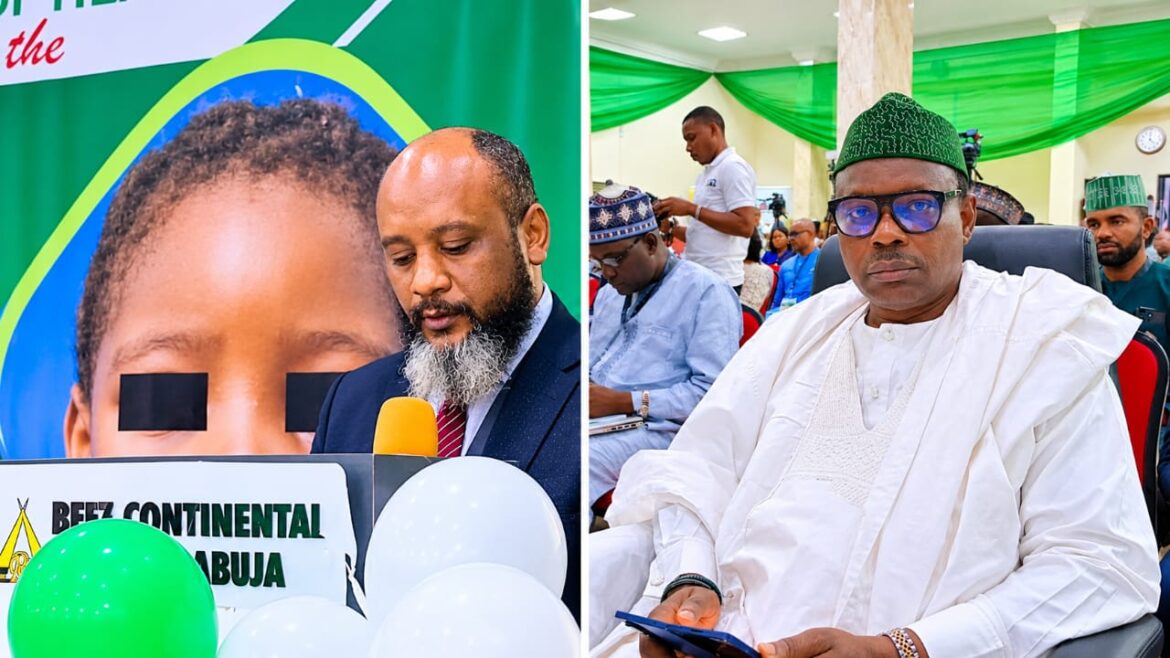
MSF Country Representative in Nigeria, Ahmed Aldikhari, raised the concern at the 2026 National Noma Day commemoration in Abuja, urging the Federal Government to translate existing policy commitments into effective interventions at the grassroots.
He stressed that early detection and prompt treatment could determine whether an affected child survives without permanent disability or suffers lifelong facial disfigurement.
Aldikhari called for stronger community-based surveillance, improved capacity of frontline health workers to recognise early symptoms and efficient referral systems to ensure that suspected cases receive specialised medical attention.
He acknowledged the inclusion of noma in Nigeria’s Surveillance Outbreak Response Management and Analysis System (SORMAS) and efforts to integrate the disease into primary healthcare guidelines, describing them as important developments that require effective implementation across states and local government areas.
He also welcomed the Federal Ministry of Health’s launch of the National Strategic Plan on Oral Health 2026–2031, noting that it provided an opportunity to institutionalise noma prevention, early diagnosis and treatment within Nigeria’s healthcare delivery system.
According to him, combating the disease requires coordinated action involving federal and state governments, local authorities, community health workers, traditional and religious leaders, teachers and caregivers.
Noma, also known as cancrum oris or gangrenous stomatitis, is a severe infection that primarily affects children between the ages of two and six, particularly those suffering from malnutrition, weakened immunity, poor oral hygiene and recurrent infections.
The disease typically begins with painful, swollen or bleeding gums and foul-smelling breath before rapidly progressing to destroy the soft tissues and bones of the mouth and face.
The World Health Organisation (WHO) classified noma as a neglected tropical disease in December 2023, following an initiative spearheaded by Nigeria and supported by 32 member states.
WHO estimates, based on data dating back to 1998, associate the disease with approximately 140,000 new cases annually worldwide and a case fatality rate of about 90 per cent, although early treatment can significantly reduce the risk of death.
The actual burden remains difficult to establish because many affected children are never diagnosed or reported, while survivors often experience severe facial deformities, difficulties eating and speaking, psychological trauma and social discrimination.
MSF emphasised that noma is not contagious and is strongly associated with preventable conditions, including malnutrition, poor oral health, inadequate sanitation and untreated infections.
It noted that early intervention through antibiotics, improved nutrition and appropriate oral hygiene could stop the disease before permanent facial damage occurs.
Meanwhile, the organisation disclosed that its partnership with the Federal Ministry of Health and the Sokoto State Ministry of Health had facilitated more than 1,759 major reconstructive surgeries for 1,174 patients through 35 surgical missions at the Noma Children’s Hospital in Sokoto State since 2014.
Aldikhari said MSF conducted 114 surgeries for 96 patients in 2026 alone, underscoring the continuing demand for specialised treatment.
Beyond surgery, the interventions include inpatient management of acute noma cases, oral physiotherapy, nutritional support, community engagement, health education, mental health and psychosocial services.
He further disclosed that 28 Nigerian surgeons and 14 anaesthetists had received training from international specialists to strengthen local capacity to manage complex noma cases.
However, Aldikhari stressed that the ultimate objective should be preventing children from developing advanced noma rather than continually expanding the number of reconstructive surgeries performed on survivors.
He called for routine noma screening to be integrated into primary healthcare services and frontline health workers to be trained to recognise early symptoms, provide initial care and refer suspected cases promptly.
He also advocated stronger community surveillance involving traditional rulers, religious leaders, teachers, caregivers and community health workers, who could help identify children showing early symptoms before their conditions deteriorate.
While welcoming noma’s inclusion in SORMAS, he cautioned that effective surveillance would depend on consistent reporting, adequate training, reliable data management and timely use of information to guide interventions.
The MSF representative also urged the government and development partners to provide sustained funding for the implementation of the National Strategic Plan on Oral Health, expansion of treatment facilities and strengthening of referral networks.
He noted that eliminating noma required interventions beyond the health sector, particularly in addressing poverty, food insecurity, inadequate sanitation and unequal access to essential healthcare.
According to him, improving child nutrition, access to clean water, sanitation, immunisation and primary healthcare would be critical to preventing the disease.
Aldikhari urged federal and state governments, development partners, healthcare professionals and communities to renew their commitment to eliminating noma through sustained investment, stronger collaboration, public awareness and accessible treatment.
He maintained that Nigeria’s success in tackling the disease should not be measured only by the number of surgeries performed or policies introduced, but by how many children are diagnosed early enough to avoid death and permanent disability.