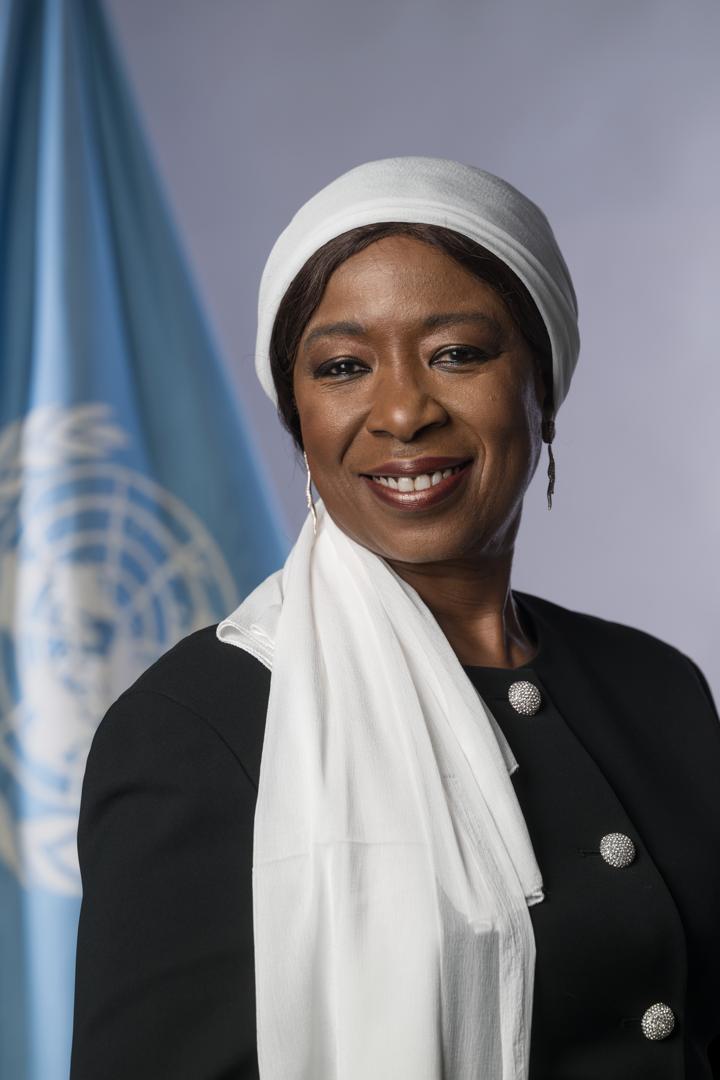
The United Nations Population Fund (UNFPA) has called for renewed global commitment to ending gender-based violence, urging governments, communities and partners to strengthen survivor-centred services, ensure justice and tackle all forms of violence against women and girls.
UNFPA Executive Director, Diene Keita, made the call in a statement marking the 2026 16 Days of Activism against Gender-Based Violence, observed from November 25 to December 10, under the theme, “Name it. Believe it. End it.”
Keita said every woman and girl deserved to live in safety and dignity, with the freedom to make decisions about her life and future, lamenting that violence continued to affect nearly one in three women globally.
She noted that gender-based violence had far-reaching consequences beyond immediate physical harm, with lasting effects on survivors’ physical and mental health, well-being and ability to participate fully in society.
According to her, survivors often face significant barriers to seeking help, accessing essential services and obtaining justice, highlighting the need for stronger systems of prevention, protection and accountability.
While acknowledging efforts by governments, communities and partners to strengthen prevention mechanisms, improve services and expand legal protections, Keita said substantial gaps remained between legal commitments and the realities confronting survivors.
She added that increased awareness and improved data were helping to expose forms of violence that had long remained hidden or poorly understood, but progress in reducing violence against women and girls remained too slow.
The UNFPA chief said this year’s campaign was aimed at renewing commitment to justice, survivor protection and ending impunity, stressing that effective responses must recognise all forms of violence, including physical, sexual and psychological abuse, reproductive coercion and technology-facilitated violence.
She warned that the growing influence of digital technologies had created additional risks, as abuse increasingly extended between online and offline spaces, exposing women and girls to new forms of harm.
“Recognition alone is not enough. What matters is how we respond,” she said, emphasising the need for timely access to quality healthcare, psychosocial support, protection and safe referral services for survivors.
Keita stressed that survivors must be treated with dignity and respect, their privacy protected and their decisions supported.
She said such services were particularly critical in humanitarian settings, where displacement, insecurity and disrupted health systems heightened vulnerabilities and restricted access to care.
The UNFPA executive director called on governments to strengthen institutions and services for preventing and responding to gender-based violence through effective laws and policies, trained health, justice and social service providers, reliable data and coordinated referral systems.
She also urged technology companies to take responsibility for preventing abuse on their platforms and cooperate with efforts to ensure perpetrators were held accountable.
Keita said UNFPA continued to work with governments, civil society organisations and communities to ensure women and girls had access to essential sexual and reproductive health services and survivor-centred care, including in challenging humanitarian situations.
She explained that the organisation supported health systems and frontline providers to identify violence, respond safely and connect survivors with appropriate services, including medical care, psychosocial assistance and legal support.
The UNFPA chief further called for the protection of essential services and sustained support for organisations assisting survivors, particularly amid growing humanitarian needs and constrained resources.
She described investments in prevention, healthcare and protection as critical to building healthier, safer and more resilient communities.
“The 16 Days of Activism remind us that ending gender-based violence requires more than awareness. It requires sustained leadership and investment, strong partnerships and practical action that makes a difference in people’s lives,” she said.
Keita urged stakeholders to name violence in all its forms, listen to survivors and work collectively to end abuse, reaffirming that every woman and girl had the right to live free from harm, with health, dignity and the freedom to make choices.