The Federal Government has introduced a digital reporting platform to strengthen transparency, accountability and performance monitoring across the country’s seven Regional Development Commissions.
The initiative, spearheaded by the Ministry of Regional Development, is designed to track projects, reconcile expenditure and monitor the implementation of President Bola Tinubu’s Renewed Hope Agenda across the different regions.
It also features a revised quarterly reporting framework aimed at addressing persistent shortcomings in submissions by the Commissions, including inconsistent reporting formats, incomplete financial records, inadequate project documentation and delays.
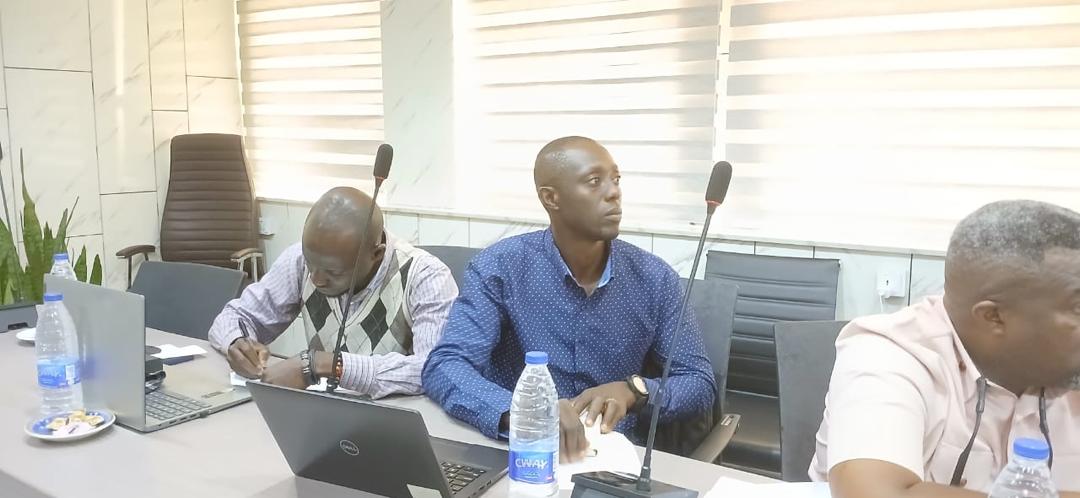
The Permanent Secretary of the Ministry, Dr. Mary Ogbe, disclosed this on Wednesday in Abuja while declaring open a capacity-building programme for desk officers of the seven Regional Development Commissions on the revised Quarterly Reporting Template and the newly introduced Regional Development Commissions (RDC) Quarterly Reports Application.
Ogbe said the reforms would improve the quality, accuracy and credibility of performance data used by the Federal Government to assess the Commissions’ contributions to national development priorities.

She explained that the Ministry submits quarterly performance reports to the Central Results Delivery Coordination Unit (CRCDU) in the Office of the Special Adviser to the President on Policy and Coordination, making timely and reliable information from the Commissions essential for effective national performance assessment.
According to her, the revised framework harmonises the CRCDU requirements with the Commissions’ quarterly performance templates and the Harmonised Performance Bond Matrix to ensure consistency with the Presidential Reporting Blueprint.
Under the new arrangement, the RDC Quarterly Reports Application will enable the seven Commissions to prepare and submit their quarterly reports electronically, validate financial information, upload supporting documents and transmit submissions securely using individual access keys.
The platform will also provide the Ministry with real-time access to submissions through a consolidated reporting system, while a live dashboard will enable the Minister and Permanent Secretary to monitor compliance and track the reporting status of each Commission.
Ogbe said the revised template would capture comprehensive information on project and programme implementation, including budgetary allocations, contract sums, fund releases, expenditure, physical progress, percentage of completion, implementation challenges and recommendations.

She added that reported achievements must be supported by verifiable evidence, such as geotagged project photographs, letters of award and completion certificates, to facilitate independent verification of projects and strengthen confidence in reported performance.
The Permanent Secretary said the reforms followed shortcomings identified in previous quarterly submissions, emphasising that government could not effectively evaluate development interventions without credible financial and physical performance records.
She urged the participating desk officers to apply the knowledge acquired during the training to improve reporting standards in their respective Commissions, particularly in financial reconciliation, project documentation and adherence to submission deadlines.
Ogbe also stressed the importance of effective communication between the Ministry and the Commissions, advising the officers to safeguard their individual submission keys and share the knowledge gained with their management teams and colleagues.
She disclosed that the first quarterly returns under the new reporting arrangement would cover the fourth quarter of 2026.
The Permanent Secretary maintained that performance reporting should go beyond routine administrative procedures, describing it as a critical tool for demonstrating the impact of public expenditure, informing policy decisions and ensuring institutional accountability.
The training is expected to equip the officers with practical skills in completing the revised reporting template, reconciling financial records, uploading supporting evidence and navigating the digital application.
The initiative marks a significant step towards establishing a coordinated, transparent and technology-driven monitoring and evaluation system for the seven Regional Development Commissions, whose activities are central to the Federal Government’s regional development interventions across Nigeria.