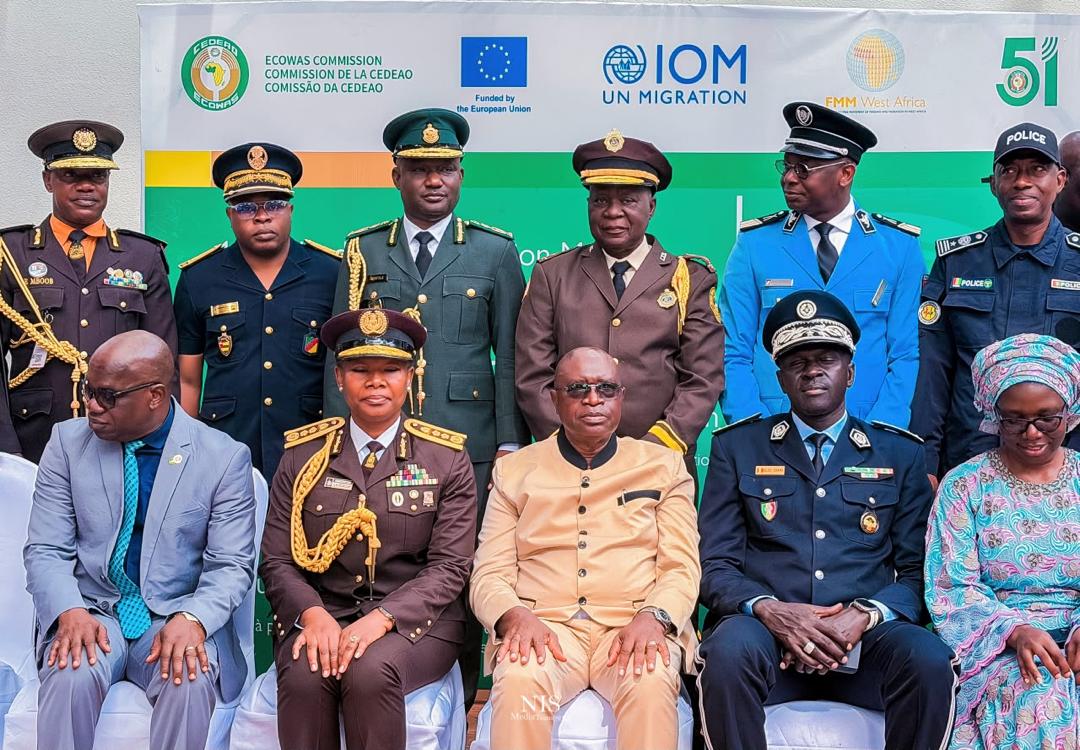
The Nigeria Immigration Service (NIS) has reaffirmed Nigeria’s commitment to strengthening regional migration governance, harmonising border management systems and facilitating legitimate movement across the Economic Community of West African States (ECOWAS).
The Comptroller-General of Immigration, Kemi Nandap, gave the assurance at the 10th Annual Migration Dialogue for West Africa (MIDWA) Heads of Immigration Forum held from November 3 to 4 in Freetown, Sierra Leone.
According to a statement issued on Saturday by the NIS Public Relations Officer, Deputy Comptroller of Immigration, Akinsola Akinlabi, Nandap joined immigration chiefs from 11 other West African countries in adopting the Freetown Declaration.
The forum, which also featured representatives of the ECOWAS Commission and the International Organisation for Migration (IOM), focused on translating regional migration policies into practical actions.
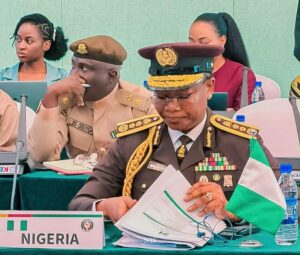
With the theme, “From Policy to Practice: Deepening Regional Integration through Harmonised Migration and Border Management in ECOWAS,” the meeting examined the implementation of ECOWAS Free Movement and Trade Protocols, particularly through Integrated Border Management (IBM) and the effective deployment of the ECOWAS National Biometric Identity Card (ENBIC).
Nandap said Nigeria was strengthening regional integration through ongoing reforms in the NIS, highlighting the development of the home-grown Border Control and Immigration Management System (BCIMS).
She explained that the system provides hybrid capabilities for border control, migration operations and data management, while mobile verification devices linked to the platform were being deployed at border crossing points.
The immigration chief also disclosed that arrangements were underway to commence the issuance of ENBIC to Nigerians in the diaspora.
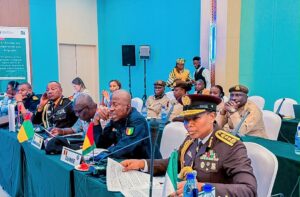
She emphasised the need to balance the facilitation of legitimate migration with effective security measures, noting that security remained fundamental to sustainable national development and regional prosperity.
The forum reviewed recommendations from reports presented by interior ministers and MIDWA thematic working groups, while participating countries shared experiences and progress in implementing the biometric identity card.
However, participants identified the lack of uniform acceptance of ENBIC across some member states as a major obstacle to its effective use within the sub-region.
The meeting consequently called on the ECOWAS Commission and member states to engage transport operators and formally communicate the recognition and acceptance of the card as a valid travel document across the region.
An IOM presentation titled, “Contextualising an Integrated Border Governance Approach for West Africa,” highlighted the need to view borders as interconnected systems that protect national sovereignty while promoting mobility, economic opportunities and mutual trust.
At the conclusion of the deliberations, the heads of immigration, ECOWAS Commission and IOM unanimously adopted and signed the Freetown Declaration, outlining resolutions and commitments agreed upon at the meeting.
The declaration established January 1, 2027, as the target date for implementing the agreed resolutions.
The NIS reiterated its commitment to strengthening regional partnerships, harmonising migration policies and advancing integrated border governance to promote secure borders and facilitate legitimate movement across the ECOWAS region.