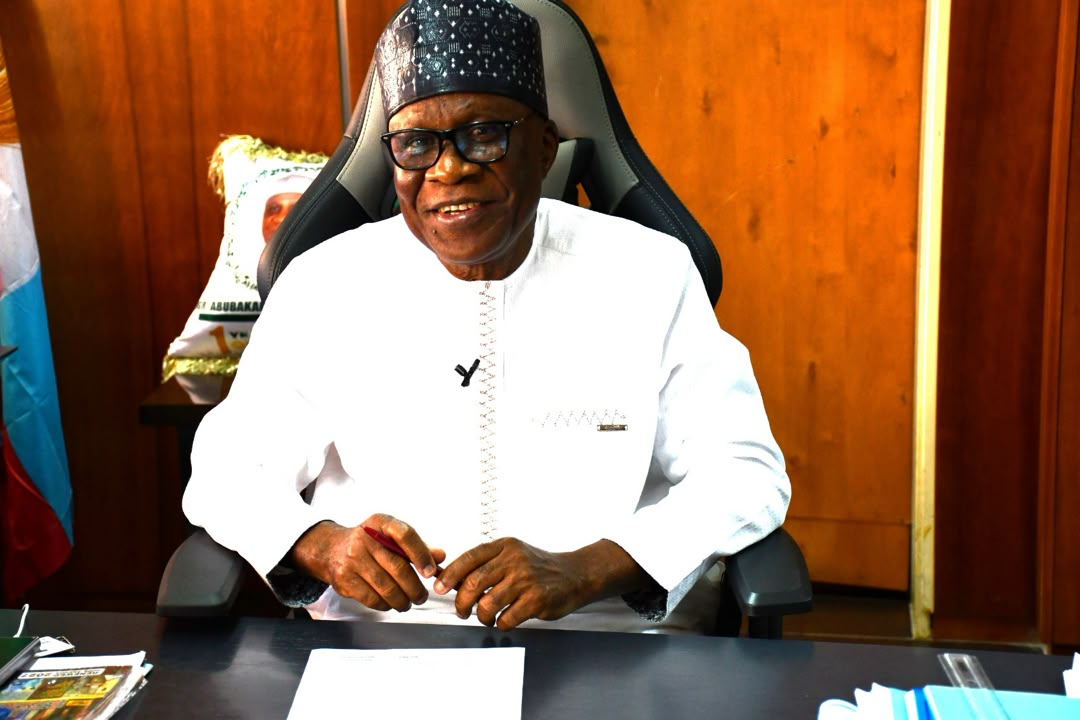
The Minister of Regional Development, Abubakar Momoh, has described President Bola Tinubu’s establishment of Regional Development Commissions across the country as one of the best decisions of his administration, saying the initiative would address longstanding regional inequalities and promote inclusive national development.
Momoh said the commissions were established to ensure that all geopolitical zones benefited from targeted development interventions, particularly in areas where existing government agencies had failed to adequately meet the needs of their communities.
The minister stated this during a weekend interview on the impact of the Regional Development Commissions on sub-national development and the ministry’s role in coordinating their programmes and projects.
He explained that the Ministry of Regional Development was responsible for coordinating the activities of the commissions to ensure that their interventions aligned with national policies, government priorities and broader development objectives.
According to him, the commissions were expected to complement existing government institutions by addressing critical development gaps.
“The role of the Ministry and the Commissions is to intervene where there is a gap in any of the government agencies,” he said, noting that most regional development funds were domiciled with the commissions.
Momoh identified the Niger Delta Development Commission (NDDC) and the North East Development Commission (NEDC) as examples of institutions that had recorded appreciable progress in infrastructure provision and human capital development in their respective regions.
He said both commissions had implemented several projects within the first three years of the Tinubu administration, demonstrating the potential of the regional development framework to address the peculiar challenges confronting different parts of the country.
The minister disclosed that the remaining five Regional Development Commissions were inaugurated in 2025 and commenced effective operations in February 2026.
He added that some of the newly established commissions had gradually put their operational structures in place and were working towards fulfilling their mandates despite financial constraints.
However, Momoh expressed concern over the South-South Development Commission, which he said had yet to establish an operational office or fully integrate into the ministry’s coordination framework.
He emphasised the need for stronger collaboration between the ministry and the commissions to ensure that their programmes and projects complemented existing government interventions rather than operating independently.
The minister expressed optimism that the commissions would deliver more tangible development outcomes as they consolidated their operations, adding that their activities would contribute significantly to national development and reduce regional disparities.
He urged Nigerians to remain optimistic, assuring that the commissions would deliver more impactful projects and interventions as they settled into their respective responsibilities and worked towards achieving their mandates.