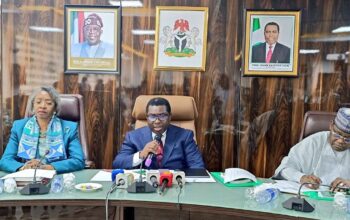
Following the devastating floods caused by the collapse of the Alau Dam on 9 September, which displaced tens of thousands in Maiduguri, senior United Nations (UN) officials, alongside non-governmental organizations (NGOs) and the Nigeria Red Cross Society, visited the affected areas to assess the damage and pledge additional support.
Led by UN Resident and Humanitarian Coordinator in Nigeria, Mohamed Malick Fall, the delegation met with Borno State Governor, Prof. Babagana Zulum, and expressed solidarity with the people of Borno. The floods, described as the worst in 30 years, have left over 300,000 people displaced across Maiduguri Metropolitan Council (MMC), Jere, and Konduga. Many victims were already vulnerable, having been previously displaced by conflict.
The officials visited relocation sites, including Asheik Jarma Primary School and Yerwa GGSS camps, where displaced families are temporarily settled. Fall described the devastation as overwhelming, noting the destruction of homes, businesses, and infrastructure. He emphasized the need for a coordinated response to address the crisis, particularly in the context of worsening food insecurity and malnutrition.

In response, the UN has allocated $6 million from the Nigeria Humanitarian Fund, with an additional $2 million in the pipeline. This funding will support immediate needs such as food, water, sanitation, hygiene services, and emergency health care. UN helicopters are also being deployed to deliver essential supplies to areas cut off by floodwaters.
Governor Zulum expressed gratitude for the UN’s support, highlighting the use of UN helicopters to provide life-saving aid to isolated communities. He stressed the urgency of rebuilding lives and ensuring that displaced people do not remain in temporary shelters for more than two weeks.
As floods continue to ravage Nigeria, affecting more than a million people across several states, the UN and its partners are working to secure additional funding from the UN Central Emergency Response Fund. However, the current Humanitarian Response Plan for Nigeria, which seeks $927 million, remains only 46% funded. The UN and Borno State authorities have called for more resources to support both immediate relief and long-term recovery efforts.