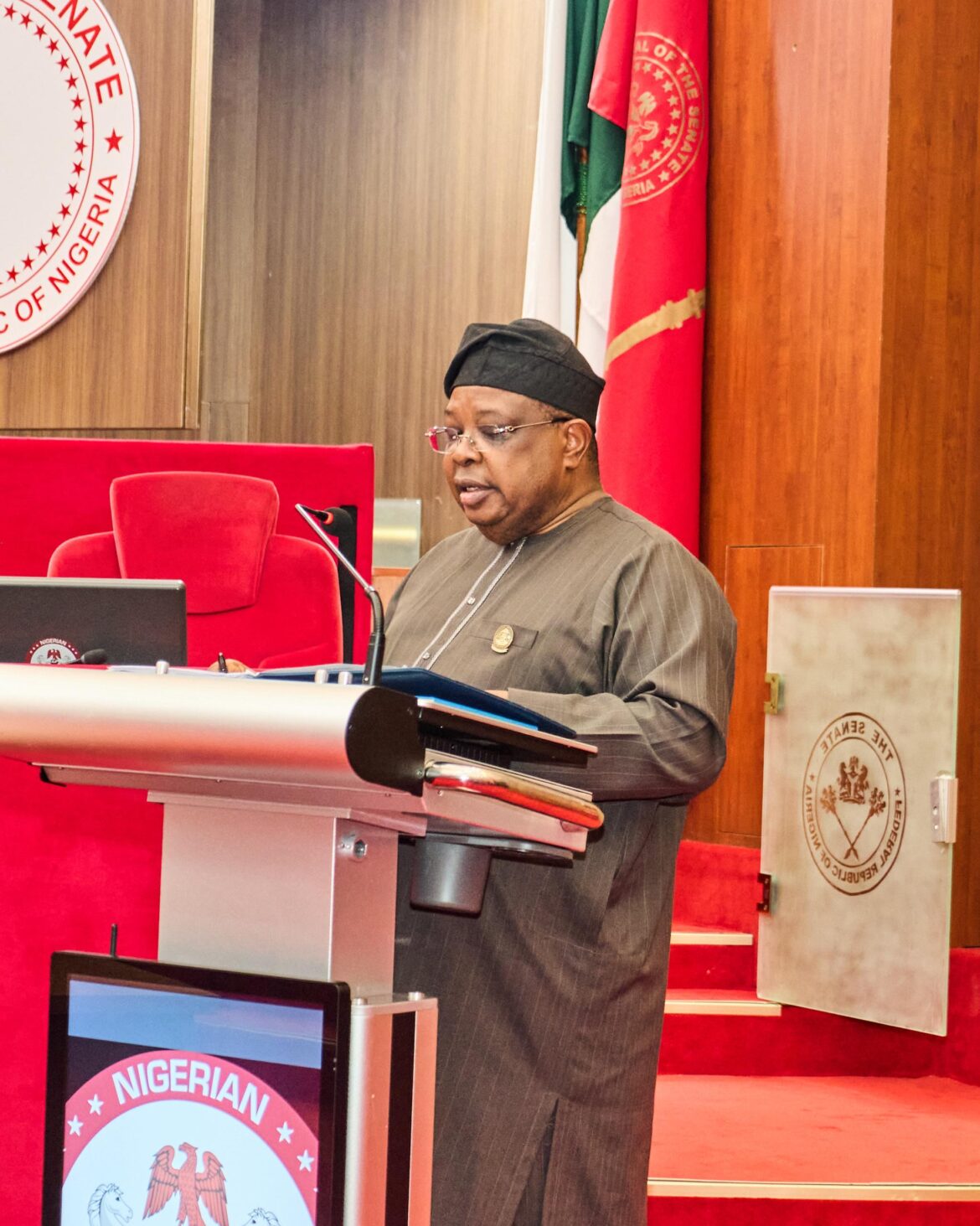
Barely days after assuming office as Nigeria’s Minister of Power, Engineer Joseph Olasunkanmi Tegbe has begun outlining what many stakeholders describe as a pragmatic and reform-driven approach to addressing the country’s longstanding electricity challenges.
Sworn in on June 9, 2026, Tegbe has used his first days in office to articulate a vision centred on improved governance, stronger institutional coordination, accountability, and measurable performance across the power sector. Rather than offering promises of quick fixes, the minister has acknowledged the complexity of the challenges confronting the industry and emphasized the need for sustainable, long-term solutions.
Tegbe brings to the position extensive experience in corporate governance, regulatory advisory services, and strategic reforms. Before his appointment, he served as Senior Partner and Head of Technology Advisory Services and Markets at KPMG Professional Services, overseeing operations in Nigeria and across Africa. A Fellow of the Institute of Chartered Accountants of Nigeria (FCA) and a Fellow of the Chartered Institute of Taxation of Nigeria (FCIT), he is widely regarded as a seasoned professional with a strong background in institutional transformation and policy implementation.
In his early engagements, the minister stressed the importance of collaboration among stakeholders across the electricity value chain. He pledged to strengthen governance frameworks, improve accountability mechanisms, and enhance coordination among agencies under the Federal Ministry of Power.
Observers note that Tegbe’s focus on governance reflects his belief that many of the sector’s challenges stem not only from technical deficiencies but also from institutional and operational inefficiencies. This perspective has informed his call for a more integrated approach to policy implementation and service delivery.
One of his first major engagements was a meeting with Chief Executive Officers and Heads of Agencies and Parastatals under the ministry. During the session, he urged stakeholders to work collectively towards achieving the administration’s objectives for the power sector, emphasizing the need for unity of purpose and coordinated action.
The minister has also signalled a strong commitment to performance and responsiveness. He recently commended the Transmission Company of Nigeria (TCN) for its swift intervention in resolving a feeder outage within the timeframe he directed, describing the development as an example of the level of efficiency expected across the sector.
As part of broader reform efforts, Tegbe has announced plans to introduce a performance-based incentive framework aimed at rewarding productivity, innovation, and excellence among sector operators. The initiative is expected to encourage greater efficiency while fostering a culture of accountability and continuous improvement.
Industry analysts believe that the minister’s early actions demonstrate a clear understanding of the challenges facing Nigeria’s electricity sector and a willingness to pursue structural reforms necessary for sustainable growth. His blend of strategic leadership, governance expertise, and reform-oriented thinking is viewed by many as a positive signal for the future of the industry.
While significant challenges remain, Tegbe’s first days in office have been marked by a focus on institutional strengthening, stakeholder collaboration, and measurable outcomes. As the administration moves forward with its energy agenda, stakeholders will be watching closely to see how these early commitments translate into improved electricity generation, transmission, and distribution across the country.
For many Nigerians, the minister’s measured approach and emphasis on long-term reforms offer cautious optimism that the country’s power sector may be entering a new phase of purposeful leadership and sustainable transformation.