The ECOWAS Parliament has intensified calls for a renewable energy revolution across West Africa, positioning expanded access to electricity as a critical tool for addressing poverty, unemployment, food insecurity and economic underdevelopment in the region’s rural communities.
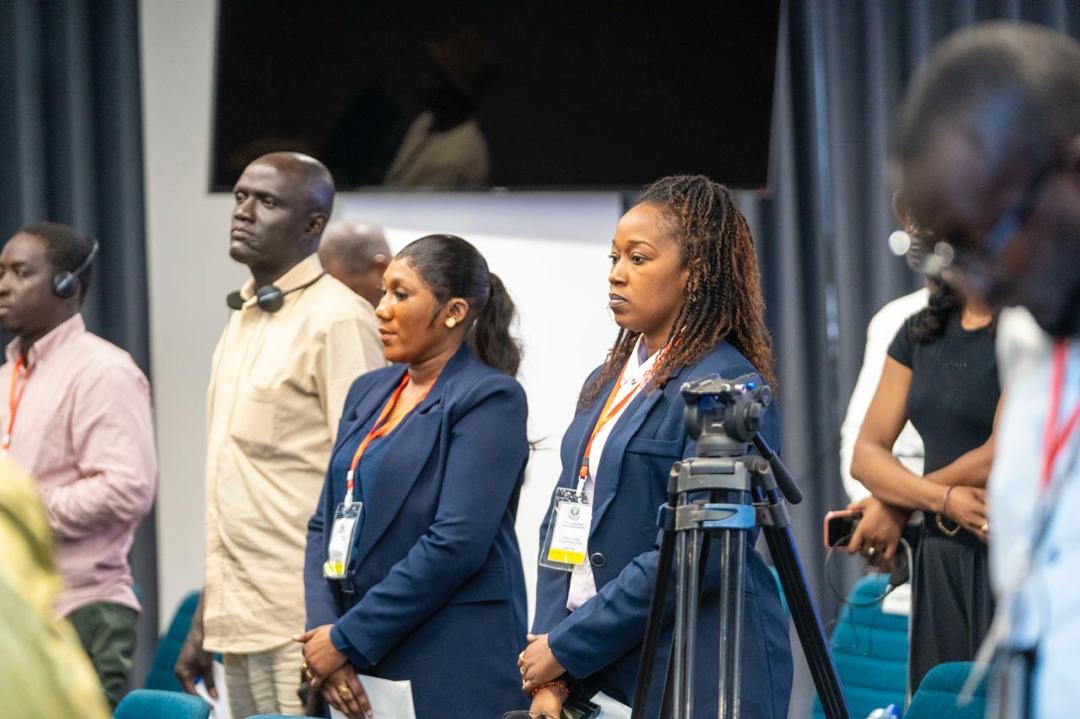
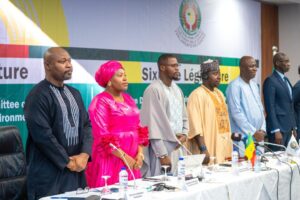
The call was made at the opening of a five-day Delocalized Joint Committee Meeting in Dakar, Senegal, where parliamentarians, government officials, development partners, energy experts and private-sector stakeholders gathered to examine strategies for accelerating rural electrification through renewable energy.
Participants at the meeting noted that despite possessing some of the world’s most abundant solar resources, West Africa continues to face severe energy deficits, leaving millions of people without access to reliable electricity and limiting opportunities for economic growth in rural areas.
The deliberations are focused on leveraging renewable energy to stimulate agricultural productivity, support rural enterprises and promote inclusive economic development across the ECOWAS region.
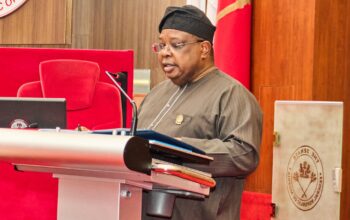
Speaking on behalf of the Speaker of the ECOWAS Parliament, Rt. Hon. Hadja Memounatou Ibrahima, Fourth Deputy Speaker Hon. Billay Tunkara stressed that renewable energy should be viewed not merely as an electricity project but as a strategic instrument for economic transformation.
According to Tunkara, expanding access to clean energy can unlock opportunities for farmers, women entrepreneurs and young people, while supporting industrialisation and sustainable development throughout the region.
“Renewable energy is not merely a technical response to electricity demand. It is a key driver in transforming economic activities, particularly in rural areas,” he said.
The renewed emphasis on rural electrification comes amid growing concerns that chronic power shortages continue to undermine development efforts across West Africa. Millions of households remain disconnected from national grids, while businesses rely heavily on expensive diesel-powered generators to offset unreliable electricity supply.
Experts at the meeting identified inadequate access to energy as one of the most significant barriers to economic growth, limiting industrial expansion, weakening agricultural value chains and constraining the delivery of healthcare and education services.
The situation is particularly acute in rural communities, where electricity access rates remain among the lowest globally.
Highlighting the scale of the challenge, Head of the Senegalese Delegation to the ECOWAS Parliament, Hon. Guy Marius Sagna, disclosed that only about 12 per cent of rural households across the ECOWAS region currently have access to electricity, despite the sub-region’s vast renewable energy potential.
He described the situation as one of the greatest contradictions confronting West Africa and called for urgent action to bridge the gap between available resources and energy access.
“Our region possesses exceptional solar potential, yet millions of our people remain without electricity. This gap between available resources and their utilisation must be urgently addressed,” Sagna said.
He further argued that energy sovereignty is essential to achieving sustainable development, linking the region’s energy deficits to persistent poverty, unemployment and food insecurity.
Chairperson of the Joint Committee on Energy and Mines, Agriculture, Environment and Natural Resources, and Infrastructure, Hon. Fanta Conte, echoed similar concerns, revealing that less than 40 per cent of the rural population across ECOWAS member states currently has access to electricity, with some remote communities recording access levels below 10 per cent.
Conte noted that the impact of inadequate electricity extends beyond household consumption, affecting healthcare delivery, education, small businesses and agricultural processing.
She emphasized the responsibility of parliamentarians to ensure that regional energy commitments are translated into practical outcomes through legislation, oversight and effective implementation at the national level.
The discussions come as several African countries increasingly embrace renewable energy technologies to close electricity access gaps, strengthen energy security and meet climate commitments.
Senegal was highlighted as a regional example, with significant investments in solar energy and efforts to diversify its energy mix. Tunkara commended the progress made under President Bassirou Diomaye Faye, noting that renewable energy projects have expanded electricity access in rural communities while advancing the country’s energy independence agenda.
Observers believe the outcome of the Dakar meeting could shape the future direction of energy development across West Africa. Beyond improving electricity access, advocates argue that an effective renewable energy strategy could stimulate industrial growth, create employment opportunities, boost agricultural productivity, attract investment and improve living standards across a region of more than 400 million people.
The meeting, scheduled to run until June 19, will include technical presentations, policy discussions and field visits to renewable energy installations in Mboursine village. Lawmakers are expected to adopt recommendations aimed at accelerating rural electrification and expanding renewable energy deployment throughout the ECOWAS bloc.
As West Africa confronts some of its most pressing development challenges, delegates in Dakar agree that renewable energy could play a pivotal role in unlocking sustainable economic growth and transforming the lives of millions across the region.