Nigeria is intensifying efforts to address the growing threat of cyber-interpersonal violence, particularly the non-consensual sharing of intimate images and sextortion, as international and domestic stakeholders call for stronger legal frameworks and survivor-centred responses to online abuse.
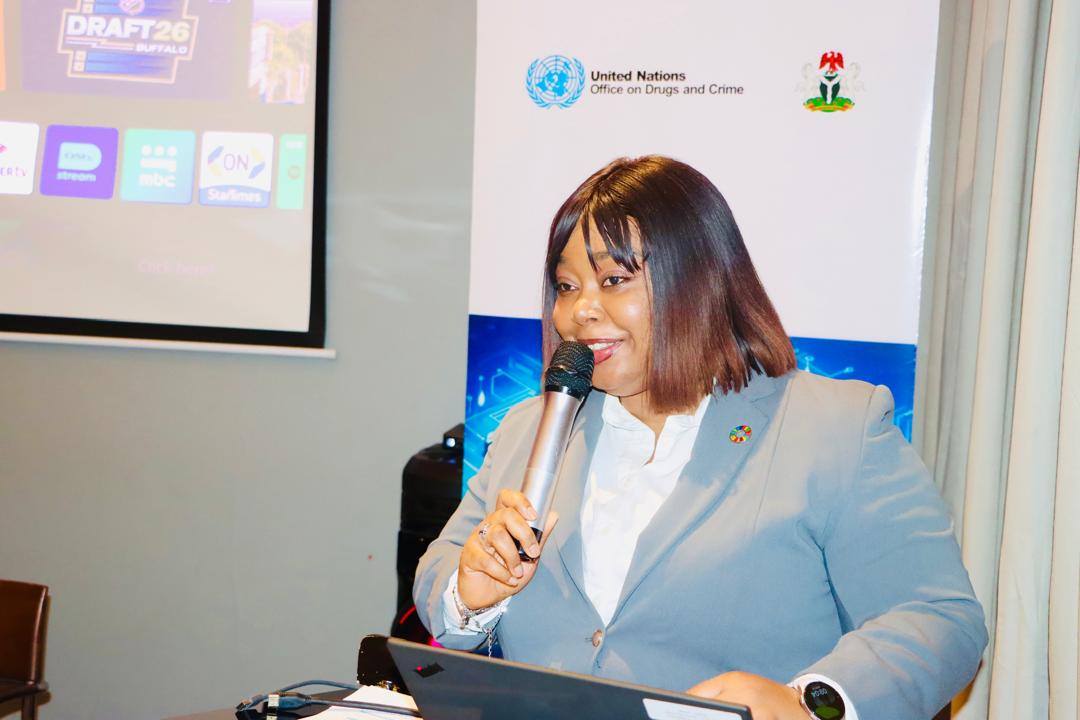
The renewed focus was highlighted at a high-level workshop in Lagos organised with support from the United Nations Office on Drugs and Crime (United Nations Office on Drugs and Crime), where policymakers, security experts, and development partners assessed Nigeria’s preparedness to respond to intimate image abuse, one of the fastest-growing forms of digital exploitation.
The discussions were framed within the global legal shift following the adoption of the United Nations Convention against Cybercrime on 24 December 2024, a landmark agreement recognising cyber-enabled harms—including intimate image exploitation, sextortion, and online harassment—as serious transnational crimes requiring coordinated international response.
Participants warned that cyber-interpersonal violence has become one of the most invasive forms of digital harm, with victims often experiencing severe psychological, social, and economic consequences. While women and girls were identified as the most affected group, stakeholders noted that the threat spans all genders, ages, and social backgrounds.
Non-consensual distribution of intimate images, often referred to as “revenge porn,” alongside sextortion schemes, were described as particularly prevalent, with perpetrators leveraging digital platforms to blackmail, shame, and exert control over victims.
Stakeholders further observed that these abuses go beyond legal infractions, as they undermine privacy, dignity, autonomy, and personal security, frequently resulting in mental distress, social isolation, and disruption of education or employment.
The workshop underscored the need for Nigeria to strengthen its legal and institutional frameworks, improve coordination among relevant agencies, and enhance the capacity of law enforcement officers, prosecutors, educators, and counsellors in handling such cases.

Through ongoing technical assistance, UNODC has been supporting countries to develop national standards, improve cross-border cooperation, and establish survivor-centred response systems that prioritise safety, dignity, and access to justice.
Experts emphasised that effective responses must extend beyond criminal prosecution to include psychosocial support services, digital literacy programmes, preventive awareness campaigns, and robust victim protection mechanisms.
A central theme of the discussions was the need to place survivors at the core of intervention strategies. Participants noted that stigma, fear, and institutional gaps often discourage reporting and limit access to justice and recovery services.
They therefore called for reforms that ensure victims are believed, protected from further harm, and supported through accessible legal processes and comprehensive care systems.
The workshop also acknowledged contributions from Nigerian stakeholders, including Shuaib Afolabi Salisu, for their engagement in ongoing national and international cybercrime response dialogues and victim support initiatives.
Analysts say the renewed attention reflects growing global concern over the rapid evolution of digital platforms, which continue to enable new forms of exploitation that outpace existing legal safeguards in many jurisdictions.
With Nigeria increasingly integrated into global digital systems, experts warn that failure to strengthen responses could deepen vulnerabilities, particularly among young people and women who remain highly exposed to online abuse.
Stakeholders maintain that future cybercrime policy in Nigeria must strike a balance between enforcement and empathy—ensuring that justice systems not only sanction offenders but also restore dignity and support recovery for survivors.