The National Human Rights Commission (NHRC) has raised concerns over persistent cases of child abuse, sexual and gender-based violence, alleged torture in detention facilities and threats to civic freedoms, urging government institutions to strengthen safeguards ahead of Nigeria’s 2027 general elections.
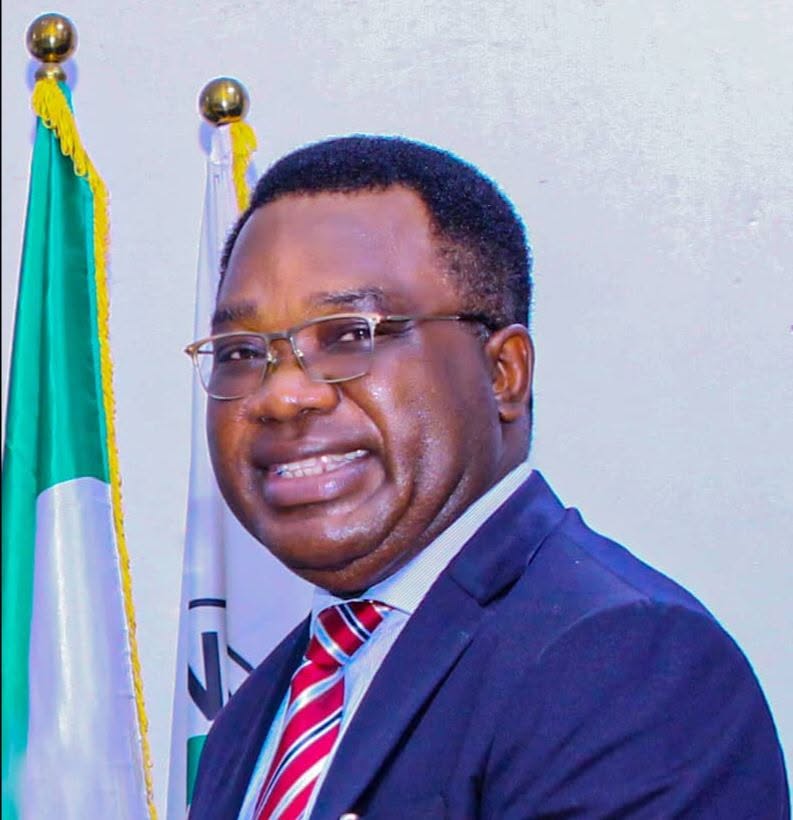
The Executive Secretary of the Commission, Dr Tony Ojukwu, said stronger preventive mechanisms, effective investigations, institutional accountability and improved access to justice were critical to addressing human rights violations across the country.
Ojukwu spoke in Abuja during the presentation of the NHRC’s September 2026 Human Rights Situation Dashboard, where he called on authorities to ensure that ongoing reforms translated into tangible protection for vulnerable Nigerians, particularly children in underserved communities.
He emphasised that persistent violations, including discrimination, exploitation and violence against women and children, required coordinated action by government agencies, security institutions, civil society organisations and development partners.
The NHRC chief welcomed the stakeholders’ engagement held in September on the review of the Child Rights Act, 2003, describing the process as an important opportunity to address gaps in Nigeria’s child protection framework and strengthen institutional responses to abuse and exploitation.
However, he cautioned that legislative reforms alone would not guarantee the safety of children without adequate funding, effective institutions and rigorous implementation.
He urged relevant authorities to ensure that the review produced practical interventions capable of preventing abuse, protecting at-risk children and improving access to justice for victims.
On custodial human rights, Ojukwu called for sustained independent monitoring of detention facilities, stressing that institutions responsible for enforcing the law must also be subject to effective oversight to prevent torture and other forms of ill-treatment.
He disclosed that the Commission, through its National Preventive Mechanism, validated its 2025–2026 annual report on September 25, bringing together stakeholders to examine findings and recommendations aimed at preventing torture and abuse in places of detention.
According to him, the exercise was designed to identify systemic weaknesses that expose detainees to mistreatment and strengthen measures to prevent violations.
Ojukwu maintained that independent monitoring remained essential to accountability within Nigeria’s justice and law enforcement systems, particularly in ensuring that individuals deprived of their liberty continued to enjoy the protection of the law.
NHRC Moves to Protect Civic Space Ahead of 2027
The Commission also announced intensified efforts to monitor threats to civic freedoms as political activities gradually gather momentum ahead of the 2027 general elections.
Ojukwu said the NHRC, in collaboration with the Nigeria Network of NGOs and with support from Heinrich Böll Stiftung Nigeria and the Office of the United Nations High Commissioner for Human Rights, organised a training workshop for the Commission’s state coordinators on Tuesday, October 13, 2026.
The workshop focused on operationalising the NHRC’s advisory opinion on the promotion and protection of civic space and human rights, issued on May 18, 2026.
The initiative is expected to strengthen the capacity of the Commission’s state offices to identify, document and report violations affecting civic space, including restrictions on peaceful assemblies and regulatory practices that could impede the activities of civil society organisations.
The NHRC executive secretary said integrating civic space monitoring into the Commission’s Human Rights Observatory and Dashboard would enhance its ability to detect emerging threats, document violations and facilitate timely institutional responses.
He stressed that democratic governance should not be assessed solely by the conduct of elections but also by the extent to which citizens could freely express their opinions, associate with others, assemble peacefully and participate meaningfully in public affairs.
The Commission’s renewed focus on civic freedoms comes as political parties and other stakeholders prepare for the 2027 elections, placing the protection of fundamental rights and the prevention of politically motivated violations among the issues requiring sustained institutional attention.
Accountability Must Deliver Justice for Victims
Ojukwu called on government institutions, security agencies, civil society organisations and development partners to deepen collaboration in addressing the root causes of human rights violations and strengthening accountability mechanisms.
He said the NHRC would continue to improve its monitoring and reporting systems, strengthen investigations and complaints resolution, and ensure that documented findings informed public policy and institutional reforms.
According to him, the Commission’s mandate extends beyond documenting allegations to preventing violations, facilitating remedies for victims and promoting accountability for abuses.
“The true measure of our progress is not simply the number of complaints documented, but the extent to which our collective efforts improve the lives of Nigerians,” he said.
He urged stakeholders to act on the findings and recommendations contained in the September dashboard, warning that sustained collective action was necessary to prevent abuses, secure justice for victims and hold public institutions accountable.
The NHRC’s concerns underscore the need for stronger child protection systems, effective oversight of custodial facilities and greater respect for civic freedoms as Nigeria approaches another electoral cycle.
With the 2027 general elections on the horizon, the Commission’s message is that the protection of fundamental rights must remain central to democratic governance, law enforcement and public administration, while allegations of abuse must be investigated and addressed through credible accountability mechanisms.