- Commission urges Civic Education teachers, counsellors to tackle bullying, discrimination, abuse and other rights violations
The National Human Rights Commission (NHRC) has urged teachers and guidance counsellors to take a leading role in protecting children’s rights in schools, stressing that early human rights education is essential to building a peaceful, inclusive and just society.
The commission called on Civic Education teachers and guidance counsellors to move beyond conventional classroom instruction and equip students with the knowledge and confidence to recognise human rights violations, reject discrimination and violence, and speak out against abuses.
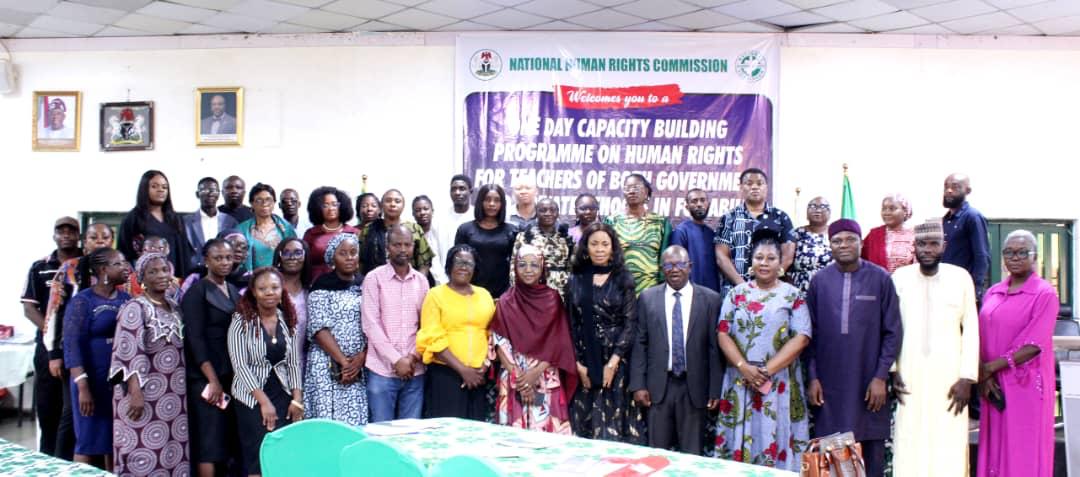
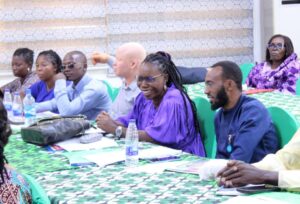
The Director of Legal Services and Enforcement of the NHRC, Mrs Rabi Anwar, gave the charge while representing the commission’s Executive Secretary, Chief Tony Ojukwu, at a human rights capacity-building workshop for Civic Education and Guidance and Counselling teachers in the Federal Capital Territory, Abuja.
Anwar described teachers as key stakeholders in shaping the values, attitudes and behaviour of young Nigerians, noting that their influence placed them in a strategic position to nurture responsible citizens who understand their rights and obligations.
She said the workshop was designed to deepen teachers’ understanding of human rights principles and equip them with practical skills to integrate human rights education into classroom instruction, counselling, school administration and extracurricular activities.
According to her, the knowledge acquired should translate into safer and more inclusive learning environments where every child is treated with dignity, protected from abuse and given equal opportunities to participate in school activities.
She emphasised that effective human rights education required sustained collaboration among teachers, school administrators, government institutions, parents, civil society organisations and other stakeholders.
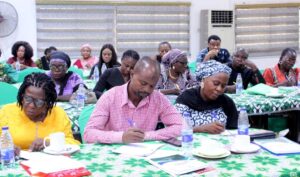
The workshop featured sessions on the foundations of human rights, the responsibilities of Civic Education teachers in promoting active citizenship, and the role of guidance counsellors in preventing, identifying and responding to violations affecting pupils.
Teachers urged to promote rights awareness
A human rights education expert, Mr Saka Azimazi, Esq., who facilitated one of the sessions, examined the historical development of human rights and the principles underpinning justice, human dignity and respect for human life.
He traced major milestones in the evolution of human rights, from ancient legal codes and the Magna Carta to Enlightenment philosophy, the American and French declarations, and the 1948 Universal Declaration of Human Rights.
Azimazi also examined the relationship between human rights, religion, morality and culture, including debates surrounding the universality of human rights principles and cultural relativism.
The session provided participants with historical and philosophical perspectives to help them explain human rights concepts to students in ways that relate to their daily experiences and challenges.
The discussions highlighted the importance of helping children understand that respect for human rights involves not only knowing their entitlements but also recognising the rights and dignity of others.
Promote inclusive classrooms, student participation
Another human rights education expert, Mrs Ifeoma Nwakanma, urged Civic Education teachers to create classroom environments where students could express their opinions freely, participate in school activities and understand their rights and responsibilities without intimidation or discrimination.
She encouraged schools to establish and strengthen student councils and peer education initiatives as practical mechanisms for promoting participation, accountability, leadership and respect for differing opinions.
Nwakanma stressed that every child should feel safe to contribute to classroom discussions and school activities, regardless of background or personal circumstances.
She noted that meaningful participation was essential to developing active and responsible citizens capable of engaging constructively with society and democratic institutions.
Her recommendations underscored the need for schools to move beyond teaching human rights as abstract concepts and create practical opportunities for students to exercise participation, mutual respect and responsibility.
Counsellors urged to strengthen child protection
In a related session, guidance counsellor Mrs Henrietta Okechukwu highlighted the critical role of school counsellors in protecting students from abuse and other forms of human rights violations.
She said counsellors must be equipped to prevent and identify violations early, provide appropriate support to affected pupils and make referrals where necessary.
Okechukwu identified bullying, discrimination, physical and other forms of violence, abuse, online harm and mental health distress as issues requiring appropriate attention within the school environment.
She urged counsellors to apply child-protection and education principles when handling complaints and other school-related challenges, stressing that students’ rights, dignity and well-being must remain central to every intervention.
She also emphasised the importance of responding appropriately to concerns raised by pupils, particularly where their safety or welfare might be threatened.
Effective reporting and referral procedures, she noted, are important to ensuring that suspected violations receive the necessary attention and that affected children are not left without support.
NHRC seeks rights-based school environments
The workshop reinforced the need to make human rights education an integral part of school life rather than treating it solely as a theoretical subject.
By equipping teachers and counsellors to recognise violations, encourage student participation and promote respect for human dignity, the NHRC aims to strengthen the capacity of schools to prevent abuse and protect vulnerable children.
The initiative also highlights the importance of creating learning environments where children understand their rights, respect the rights of others and can report concerns without fear of intimidation or discrimination.
As schools remain central to the social and moral development of young Nigerians, the commission’s message was clear: teachers and counsellors must become active advocates for human rights and child protection, helping to nurture a generation committed to equality, tolerance, responsible citizenship and respect for human dignity.