ActionAid Nigeria has raised alarm over the rising prevalence of technology-facilitated gender-based violence (TF-GBV), revealing that 45 percent of women in Nigeria have experienced cyberstalking, while 10.6 percent have been victims of doxing, the malicious release of private information online.
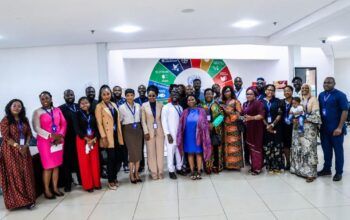
The data was presented in Abuja during a National Multi-Stakeholder Dialogue on TF-GBV, convened by UN Women, members of the Development Partners Group on Gender (DPGG), and the Federal Ministry of Women Affairs as part of the 2025 16 Days of Activism Against Gender-Based Violence.
The dialogue brought together government agencies, technology companies, development partners, civil society organisations, digital rights groups, law enforcement bodies and survivor advocates to address what experts described as a rapidly escalating threat to women and girls in digital spaces.
ActionAid’s Programme Manager for Women’s Rights, Niri Goyit, said women—particularly activists, journalists, politicians and social media influencers—are increasingly targeted by cyber harassment, online stalking, blackmail, hate speech, image-based abuse and coordinated misinformation campaigns.
“In Nigeria, 45% of women have experienced cyberstalking, especially women in public roles, and 10.6% have faced doxing,” Goyit said in her technical presentation. She noted that Nigeria’s fast-growing digital adoption has outpaced the safeguards needed to protect users, with survivors now emerging as young as 14.
“Digital spaces mirror offline gender power structures,” she said. “Women and girls face high levels of threats, coordinated harassment, image-based abuse and doxing.”
Goyit identified drivers of TF-GBV to include patriarchal norms, low digital literacy, weak enforcement of online harassment laws, poor platform moderation and the widespread use of smartphones and social apps.
She warned that the impact on victims is severe—ranging from emotional trauma and fear to economic losses and withdrawal from public life. “Online threats also escalate into physical danger, especially when private information is exposed,” she added.
Goyit faulted systemic lapses in addressing online abuse, citing outdated laws, poor technical capacity among law-enforcement officers, slow responses by digital platforms and weakened case-management systems.
“No single institution can handle TF-GBV alone,” she stressed, calling for improved collaboration among government agencies, cybercrime units, Sexual Assault Referral Centres (SARCs), civil society groups and technology companies.
She argued that Nigeria does not require entirely new laws but must update existing frameworks to match modern digital realities. “Real progress will come from collaboration, clarity and survivor-centred systems,” she said.
In a goodwill message, ActionAid Nigeria Country Director, Andrew Mamedu, reaffirmed the organisation’s commitment to ending all forms of GBV, including TF-GBV. Represented by Goyit, he urged all stakeholders—government, civil society, private sector and development partners—to intensify efforts toward prevention and response.
Special Adviser to the President on Women’s Health, Dr. Adanna Steinaker, representing the Minister of Women Affairs, said Nigeria remains committed to building systems that ensure online safety and accountability. “Technology should be a tool for empowerment, not a weapon of abuse,” she said.
UN Women’s Acting Deputy Country Representative, Patience Ekeoba, emphasised that technology-facilitated abuse is one of the fastest-growing threats to gender equality. She reaffirmed UN Women’s commitment to a coordinated national response that protects the rights of women and girls in digital spaces.
“This dialogue is a critical step toward a safer future for all,” she said.