Environmental and food sovereignty advocates have warned that climate change, corporate influence and weak regulatory frameworks are placing Nigeria’s food culture, farmers’ livelihoods and public health at serious risk.
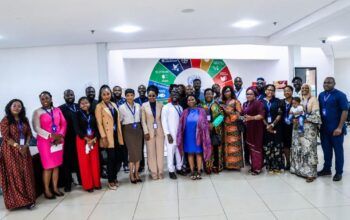
Speaking on the sidelines of a national convergence and food festival organised by the Health of Mother Earth Foundation (HOMEF), climate and extractive governance expert, Mr Olamide Martins of Corporate Accountability and Public Participation Africa (CAPPA), said the impact of climate change on agriculture is now evident and deeply disruptive.
Martins noted that erratic rainfall, rising temperatures and widespread environmental degradation have altered traditional farming cycles that once ensured stable food production. He recalled that decades ago, farmers depended on predictable weather patterns, which have steadily declined due to fossil fuel use, extractive activities and prolonged environmental neglect.
Beyond climate pressures, he expressed concern over the growing dominance of multinational corporations in shaping Nigeria’s food systems. According to him, genetically modified organisms (GMOs), often promoted as solutions to food insecurity, have failed to deliver promised benefits, instead increasing dependence on external systems while undermining local control of food production.
At the centre of the advocacy, Martins said, is food sovereignty—the right of people to decide what they grow, how it is produced and what they consume. He stressed that food is integral to cultural identity and national resilience, warning that loss of control over food systems amounts to a loss of societal autonomy.
Health implications also featured prominently in the discussions. Activists linked the rise in diet-related illnesses to the growing consumption of highly processed and imported foods, which are increasingly replacing indigenous diets. They warned that with Nigeria’s healthcare system already under pressure, increased dependence on industrial and modified food products could further worsen public health outcomes.
The advocates called for a return to agroecology, organic farming and indigenous agricultural practices as sustainable alternatives. They argued that strengthening local farming systems would protect the environment, improve nutrition, preserve cultural heritage and empower rural communities.
On her part, HOMEF Director of Programmes, Ms Joyce Brown, expressed concern over the rapid shift in eating habits, with many Nigerians increasingly preferring processed and “fancy” foods over traditional meals. She said this trend, combined with weak policies and the spread of GMOs, poses serious risks to Nigeria’s food culture, farmers’ rights and public health.
Brown explained that the event was organised to refocus public attention on the importance of local foods and indigenous seeds, noting that the dominance of imported and processed foods is eroding cultural identity and threatening sustainable food production. She added that GMOs challenge farmers’ control over seeds and farming methods, making food production increasingly dependent on external, profit-driven interests.
To counter the trend, she urged government to actively support agroecology, which promotes environmentally friendly farming practices and protects local food systems. According to her, agroecology would enable farmers to access indigenous seeds, improve infrastructure and continue producing healthy foods capable of sustaining communities.
Researchers and campaigners at the event also raised concerns about the extinction of several indigenous seed varieties, noting that some once-common local crops have disappeared from many communities. They attributed the decline to the influx of foreign agricultural products, often introduced under the guise of foreign direct investment, and the expansion of industrial farming without adequate regulation.
On policy issues, the group identified gaps in Nigeria’s biosafety framework regulating GMOs. Although a biosafety law exists, they argued that safeguards to protect farmers, consumers and the environment remain weak, with key principles such as precaution, accountability and public participation poorly enforced.
They also expressed concern over large-scale agricultural investments entering the country without rigorous environmental impact assessments, urging government to strengthen oversight and scrutiny before granting approvals.

Parents were identified as key drivers of household food choices, with campaigners urging families to prioritise local foods. They warned that over-processed diets have been linked to multiple health challenges and could further strain the nation’s healthcare system.
The group disclosed that petitions had been submitted to the National Assembly calling for stronger support for local farmers and a halt to GMO approvals pending independent research. They referenced earlier legislative recommendations advocating a suspension of GMO approvals until existing processes are comprehensively reviewed.
While acknowledging that reclaiming food sovereignty is a long-term struggle, the advocates reaffirmed their commitment to public awareness and policy engagement, insisting that protecting local foods and seeds is vital for public health, environmental sustainability and the preservation of Nigeria’s cultural identity.