Cuba has reaffirmed its commitment to defending its sovereignty and independence despite mounting economic and diplomatic pressure from the United States, declaring that it would not surrender its right to determine its own future.
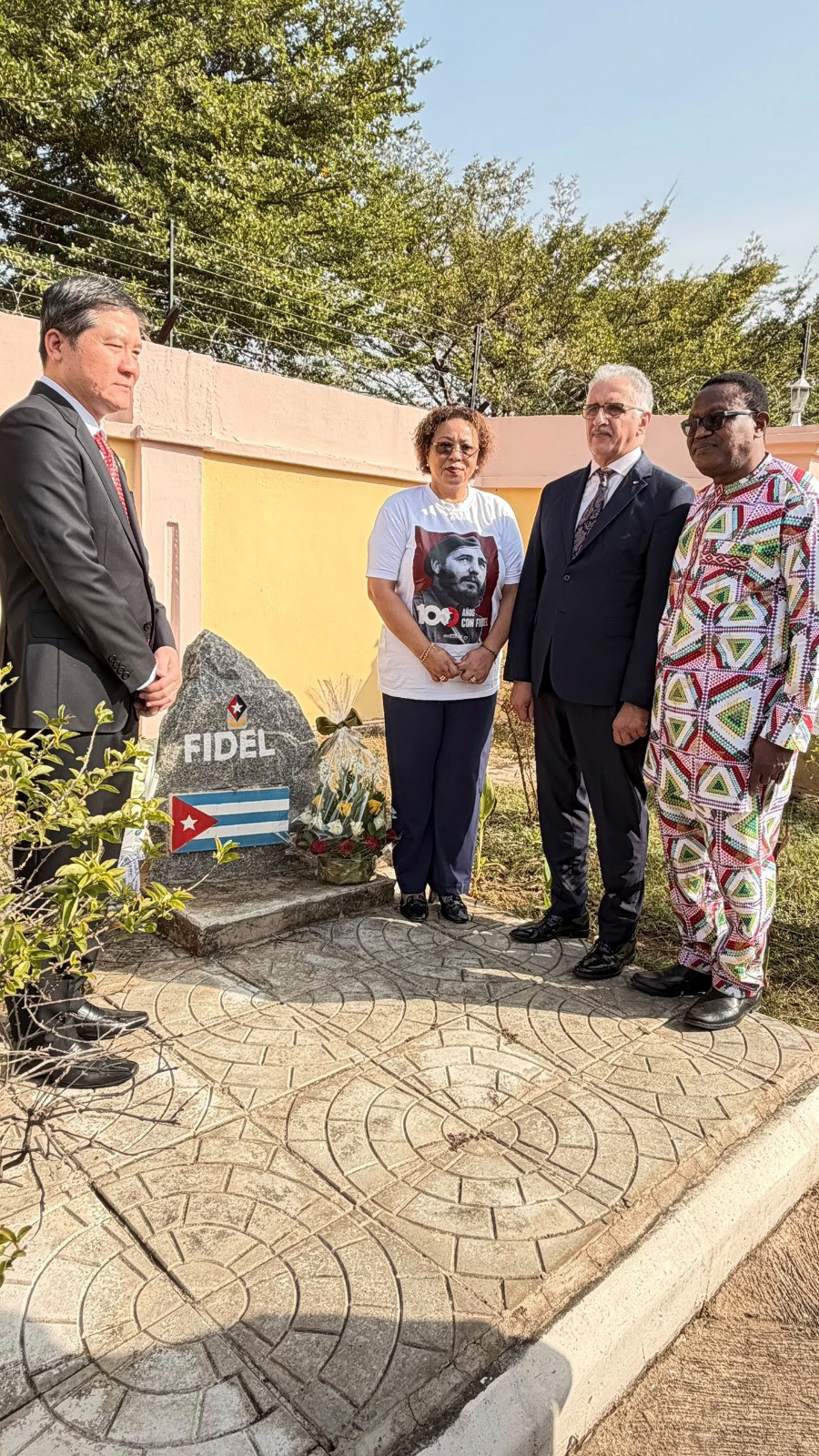
Cuba’s Ambassador to Nigeria, Miriam Morales Palmero, gave the assurance at a ceremony in Abuja to commemorate the 10th anniversary of the death of the country’s revolutionary leader, Fidel Castro Ruz.
Morales Palmero said Cuba remained committed to peace, multilateralism, the United Nations Charter and international law, while rejecting what she described as efforts to undermine its economy and weaken the resolve of its people.
She attributed the country’s difficult economic and energy situation to the tightening of the economic, commercial and financial blockade imposed by the United States.
According to her, the situation had been compounded by restrictions on energy supplies, the extraterritorial application of secondary sanctions against third countries and threats of military aggression.
“Confronted with this policy of hostility and maximum pressure, Cuba reaffirms before the international community the principled stance bequeathed to us by our Commander-in-Chief,” she said.
The ambassador stressed that Cuba remained open to diplomatic dialogue based on mutual respect, sovereign equality and non-interference in the internal affairs of states, while maintaining its resolve to defend its independence.
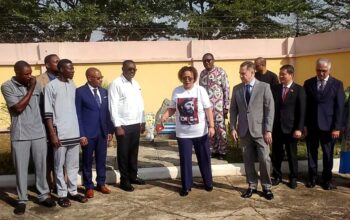
The commemoration, which featured the laying of a floral wreath, attracted members of the diplomatic corps, representatives of solidarity movements, Cuban nationals resident in Nigeria and other friends of Cuba.
Morales Palmero described the occasion as an opportunity to honour Castro’s contributions to Cuba’s transformation and his influence on the country’s foreign policy and international engagement.
She said the late leader’s legacy extended beyond Cuba, particularly through his commitment to justice, human dignity, equality and the rights of ordinary people.
According to her, Castro believed that access to education, healthcare and a decent standard of living should be guaranteed rights rather than privileges reserved for a few.
“To remember Fidel is to evoke, above all, his unwavering commitment to justice,” she said, adding that his vision was centred on building a society free from social exclusion, discrimination and inequality.
She explained that equality, as understood by Castro, meant creating genuine opportunities for everyone to live with dignity and contribute to the collective well-being of society.
The ambassador also highlighted Cuba’s tradition of international solidarity, noting that Castro championed cooperation and assistance to vulnerable communities across the world, irrespective of geographical boundaries or political differences.
She linked his revolutionary philosophy to that of Cuba’s National Hero, José Martí, whose struggle against Spanish colonial rule in the 19th century, she said, shared the principles of liberty, sovereignty and independence that later defined Castro’s resistance to American imperialism.
Quoting Martí, Morales Palmero recalled his assertion that death was not real when a person’s sense of duty had been fully accomplished.
She also cited Castro’s declaration in October 1991 that men could die but their ideas would never die, describing it as a reflection of the enduring connection between the two revolutionary figures.
Martí died in combat on May 19, 1895, while Castro died on November 25, 2016.
The ambassador said both men had transcended physical death through their contributions to Cuba and the lasting influence of their ideas.
“Only those men or women who have devoted their lives to elevate their countries and fellow citizens to the highest peaks and monuments of honour, national pride, and international acknowledgement and respect, can stay among their peoples forever,” she said.
Morales Palmero said the greatest tribute to Castro, a decade after his death, was to sustain his ideals through unity, creativity and continued commitment to social justice, peace and the dignity of all peoples.
She expressed appreciation to the diplomatic community, solidarity organisations and other friends who attended the ceremony, describing their presence as an expression of enduring friendship and support for Cuba.
“The greatest tribute we can pay to Fidel is to continue defending the truth of Cuba, to resist with unity and creativity, and to keep his ideas alive in favour of social justice, peace, and the dignity of all peoples,” she said.
She called for eternal honour and glory for Castro, whose leadership, she maintained, had left an indelible imprint on Cuba and the wider international community.