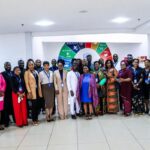
The ECOWAS Community Court of Justice has reaffirmed its firm commitment to safeguarding human rights and human dignity across the West African region. The declaration was made on Wednesday during an event held to commemorate the 2025 International Human Rights Day, themed “Human Rights: Our Everyday Essential.”
Legal scholars and jurists at the ceremony highlighted the Court’s expanding influence in shaping human rights jurisprudence across the subregion.
Delivering a keynote address, Prof. Muhammed Tawfiq Ladan stressed that Human Rights Day serves as a moment of reflection on progress and obligations, rather than merely an annual symbolic observance. He criticised member states for signing and ratifying human rights treaties but often lagging in implementation.
“Promotion and protection of human rights is not charity work; it is a constitutional and treaty obligation,” he said. “Governments rush to sign treaties, but when it comes to implementation, they begin to resist.”

Ladan said ECOWAS institutions cannot function effectively if member states fail to support them, noting that human rights protections are embedded in national constitutions and international agreements freely adopted by West African countries.
He described the 2005 Supplementary Protocol, which grants individuals direct access to the Court, as transformative, with human rights matters now representing about 90 percent of its caseload. The Court’s judgments—including on modern slavery, education, and freedom of expression—have influenced global legal thinking, he added.
Ladan also warned that widespread poverty, corruption, and weak social protection systems continue to undermine human rights across West Africa. Without political will, he said, rights will remain theoretical and progress slow.
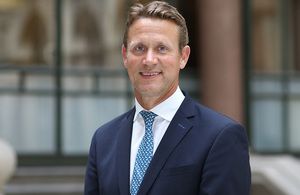
President of the ECOWAS Court, Justice Ricardo Gonçalves, reflected on the significance of the 1948 Universal Declaration of Human Rights, describing human rights as essential to dignity and meaningful existence. He lamented that many West Africans still lack access to education, food, healthcare, housing, justice, and a healthy environment.
Justice Gonçalves underscored the importance of the 2005 Protocol granting individuals the right to seek redress before the regional court. However, he expressed concern over persistent non-compliance by some member states with the Court’s judgments.
“Without effective implementation, the promise of protection becomes a mirage,” he warned. “Victims deserve genuine access to justice, and that requires states to apply our decisions fully.”
He listed major threats to human rights in the region, including military coups, shrinking civic space, terrorism, under-resourced judiciaries, and climate change. He urged governments, civil society, human rights defenders, and the media to work collectively to uphold rights and strengthen regional mechanisms.
The Court’s Director of Research and Documentation, Dr. Ousmane Diallo, noted that 2025 marks the first time the Court has formally included International Human Rights Day in its official calendar, underscoring its importance in the ongoing struggle for rights protection.
Providing statistical insights, Deputy Chief Registrar Guye Sowe revealed that the Court has received 775 cases since inception, delivering 492 judgments, with 116 cases pending. Of the judgments delivered, 192 are enforceable. He said enforcement remains a major challenge, with 153 judgments still not implemented across the region.
Nigeria leads in pending enforcement, with 50 unenforced judgments. Other countries facing significant backlogs include Togo, Guinea, Liberia, Sierra Leone, Senegal, Benin, and Cape Verde. Sowe emphasized that stronger cooperation is needed to ensure compliance.
“These numbers reflect both the increasing trust in the Court and the work that remains,” he said. “Member states must ensure that judgments are implemented so human rights protections become a living reality for all citizens.”
The Court called on all stakeholders to deepen their commitment to human rights, strengthen regional legal frameworks, and ensure that justice and dignity are upheld for every West African.