The Economic Community of West African States (ECOWAS) has commemorated its 51st anniversary with a large-scale environmental cleanup exercise in Senegal, reinforcing its commitment to combating plastic pollution and advancing sustainable development across the West African sub-region.
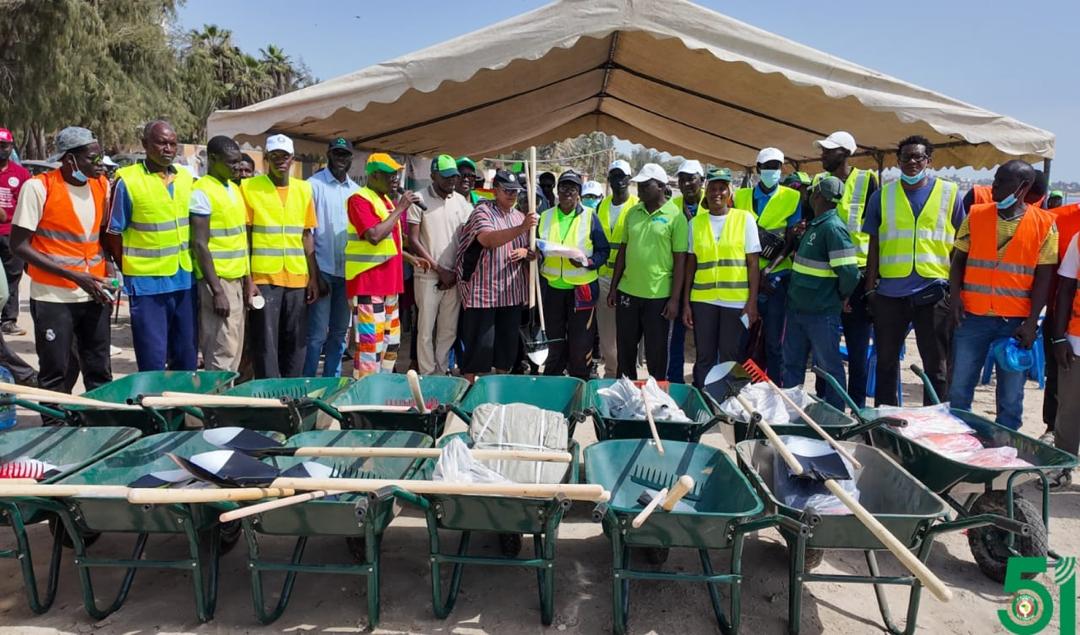
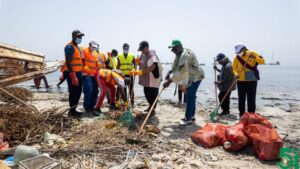
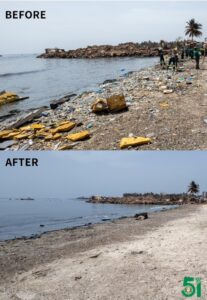
The initiative, known as the “Plastic-Free ECOWAS” campaign, took place on June 5 at Hann Bay in Dakar, bringing together ECOWAS officials, environmental stakeholders, community leaders and youth volunteers in a coordinated effort to clean the coastline and raise awareness about the environmental dangers of plastic waste.
The exercise was led by Fatou Sow Sarr, ECOWAS Commissioner for Human Development and Social Affairs, alongside Kalilou Sylla, Commissioner for Economic Affairs and Agriculture. It was organised by the ECOWAS Gender Development Centre (EGDC) in collaboration with specialised ECOWAS agencies working on the water-energy-food nexus, with support from the Directorate of Environment and Natural Resources.
The cleanup formed part of activities marking the regional bloc’s 51st anniversary under the theme, “Building Tomorrow’s ECOWAS Today,” which reflects on more than five decades of regional integration while outlining a vision for the future of the 15-member organisation.
Participants included officials of the EGDC, representatives of Senegal’s National Integrated Waste Management Company (SONAGED), traditional and religious leaders from Hann village, and young environmental advocates committed to tackling pollution and climate-related challenges.
According to organisers, the beach cleanup is part of a broader regional campaign aimed at supporting the implementation of a recently adopted ECOWAS regulation designed to curb plastic pollution, promote responsible consumption and strengthen stakeholder engagement across West African cities.
The campaign comes amid growing concerns over the impact of plastic pollution in West Africa, where rapid urbanisation, inadequate waste management systems and increasing reliance on single-use plastics have intensified environmental pressures.
Environmental experts estimate that millions of tonnes of plastic waste are generated annually across Africa, with significant quantities finding their way into rivers, drainage systems and the Atlantic Ocean. The accumulation of plastic waste has also contributed to flooding in several urban centres by obstructing drainage channels during periods of heavy rainfall.
Marine ecosystems have been particularly affected, with coastal communities reporting declining fish stocks and damage to marine habitats. Wildlife is also increasingly threatened, as many species ingest plastic debris or become entangled in waste materials.
Hann Bay, once considered one of Senegal’s most attractive coastal destinations, has faced decades of environmental degradation resulting from industrial discharge, urban waste and marine pollution. In recent years, however, government authorities, local communities and development partners have intensified efforts to rehabilitate the area and restore its ecological significance.
By selecting Hann Bay as the venue for the campaign, ECOWAS sought to highlight the urgent need for collective action to safeguard coastal ecosystems that support livelihoods, tourism and food security across the region.
Established in 1975 to promote economic integration and regional cooperation, ECOWAS has increasingly incorporated environmental sustainability, climate resilience and natural resource management into its development agenda.
The regional bloc has adopted several frameworks addressing climate change adaptation, renewable energy development, biodiversity conservation and sustainable agriculture, while encouraging member states to strengthen waste management systems and reduce dependence on single-use plastics.
Officials noted that environmental sustainability remains closely linked to broader development objectives, as climate change, pollution and ecosystem degradation continue to pose significant risks to public health, food security and economic growth in West Africa.
Organisers said the Plastic-Free ECOWAS campaign is expected to be replicated across other member states to encourage environmental stewardship and greater citizen participation in creating cleaner and more sustainable communities.
As ECOWAS marks 51 years of regional cooperation, the initiative underscores the growing recognition that the region’s future prosperity depends not only on economic integration and trade but also on effective environmental protection and collective action against emerging ecological threats.
The campaign, organisers said, reflects the bloc’s determination to ensure that the next phase of West Africa’s development is anchored on sustainability, resilience and shared responsibility for safeguarding the environment.