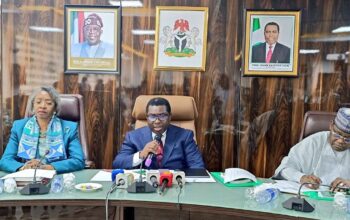
Dr. Bruno Korgo, Regional Coordinator for Renewable Energy and Green Hydrogen at the West African Science Service Centre on Climate Change and Adapted Land Use (WASCAL), highlighted the region’s significant renewable energy potential, including solar, wind, and hydrogen. Korgo emphasized that green hydrogen could play a pivotal role in decarbonizing industries worldwide.
“The West African Green Hydrogen Policy aims for the region to produce 0.5 million tonnes of green hydrogen per year by 2030, increasing to 10 million tonnes by 2050,” Korgo stated. “This policy has already been adopted by our heads of state, but the ministries of energy must collaborate with governments and the private sector to make it a reality.”
Representing Nigeria’s Ministry of Power, Assistant Director Temitope Dina expressed the country’s readiness to harness green hydrogen’s potential for economic growth, energy security, and environmental sustainability. Dina stressed that green hydrogen offers West Africa the chance to drive innovation and stimulate local economies, creating jobs and boosting industries.
Executive Vice Chairman of SIDIL Energy Alternatives Limited, Alhassan Dantata, described green hydrogen as the final opportunity for global clean energy transition. He highlighted Africa’s natural advantages in solar, wind, and water resources, emphasizing the need for political will and collaboration to ensure the continent plays a leading role in green hydrogen production.
The two-day workshop, which concludes on Friday, served as a platform for deepening understanding of green hydrogen technology and fostering partnerships to implement West Africa’s green hydrogen strategies.