The Economic and Financial Crimes Commission (EFCC), in collaboration with the National Judicial Institute (NJI) and various key stakeholders in the anti-corruption battle, has issued a fervent call for the enactment of comprehensive legislation aimed at addressing the issue of unexplained wealth within Nigeria.
This appeal was articulated in a formal Communique released today, Thursday, October 5, 2023, following the conclusion of the 5th EFCC-NJI Capacity Building Workshop for Justices and Judges, held at the National Judicial Institute, Jabi, Abuja. The Communique underscores the urgency of formulating legislative measures to combat the possession of unexplained wealth and assets within the country.
During the seventh session of the Workshop, Mr. Wahab Shittu, a Senior Advocate of Nigeria (SAN), highlighted a conspicuous deficiency in Nigeria’s legal framework, noting that, in contrast to other jurisdictions such as the United States, United Kingdom, Hong Kong, and Kenya, Nigeria lacks a dedicated law to address the issue of unexplained wealth. Mr. Shittu further emphasized the persistent concern surrounding opulent lifestyles and extravagant holdings seemingly incongruous with officially declared incomes, necessitating thorough inquiries into the origins of such wealth. To redress this deficiency, the Workshop collectively called upon the National Assembly to expeditiously craft legislation to tackle this issue.
The Communique also encapsulates several other critical concerns raised during the Workshop, including the imperative for enhanced training programs for judicial officers and personnel within anti-corruption agencies. This training would equip them with the requisite skills to effectively navigate the intricate processes involved in asset tracing and seizure, plea bargaining, cryptocurrency, data protection, artificial intelligence, and other emerging facets of economic and financial crimes.
Participants at the Workshop advocated for the full implementation of the Proceeds of Crime (Recovery and Management) Act of 2022, aiming to prevent individuals from benefiting from the proceeds of their illicit activities. Additionally, they underscored the necessity of developing a comprehensive Whistleblower and Witness Protection Act to facilitate the investigation and prosecution of corruption cases by relevant agencies.
The three-day Workshop brought together eminent jurists, including Justices of the Supreme Court, Court of Appeal, and Judges from Federal and State High Courts. It also included senior members of the legal community, including Senior Advocates of Nigeria, the Acting Executive Chairman of the EFCC, Mr. Abdulkarim Chukkol, and the Secretary to the Commission, Dr. George Ekpungu, along with investigators and prosecutors from across the nation. Importantly, the Workshop extended an invitation to members of the National Assembly and the Nigerian Bar Association to actively participate in future discussions, recognizing the relevance of these issues to their respective constituencies.
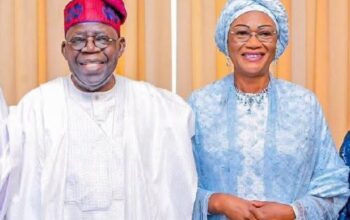
The Workshop, conducted under the theme “Consolidating on the Gains in the Fight Against Economic and Financial Crimes in Nigeria,” was inaugurated on Tuesday by President Bola Ahmed Tinubu, with the presence of the Chief Justice of Nigeria, Justice Olukayode Ariwoola, and other distinguished dignitaries.