The Federal Government has relocated the operational headquarters of the National Agency for the Great Green Wall (NAGGW) from Abuja to Kano, saying the move is intended to strengthen Nigeria’s response to desertification, land degradation and climate change.
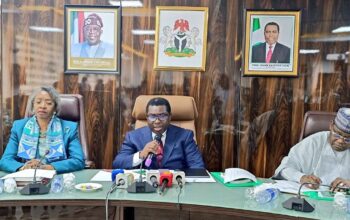
Minister of Environment Balarabe Abbas Lawal announced the decision on Wednesday, describing it as a strategic step that will position the agency closer to the communities and project sites it serves across northern Nigeria.
Lawal said the relocation aligns with President Bola Tinubu’s Renewed Hope Agenda and is expected to improve project monitoring, stakeholder engagement and service delivery.
The Great Green Wall Programme is an African Union initiative spanning more than 11 countries across the Sahel-Sahara region. In Nigeria, it covers Adamawa, Bauchi, Borno, Gombe, Jigawa, Kano, Katsina, Kebbi, Sokoto, Yobe and Zamfara.
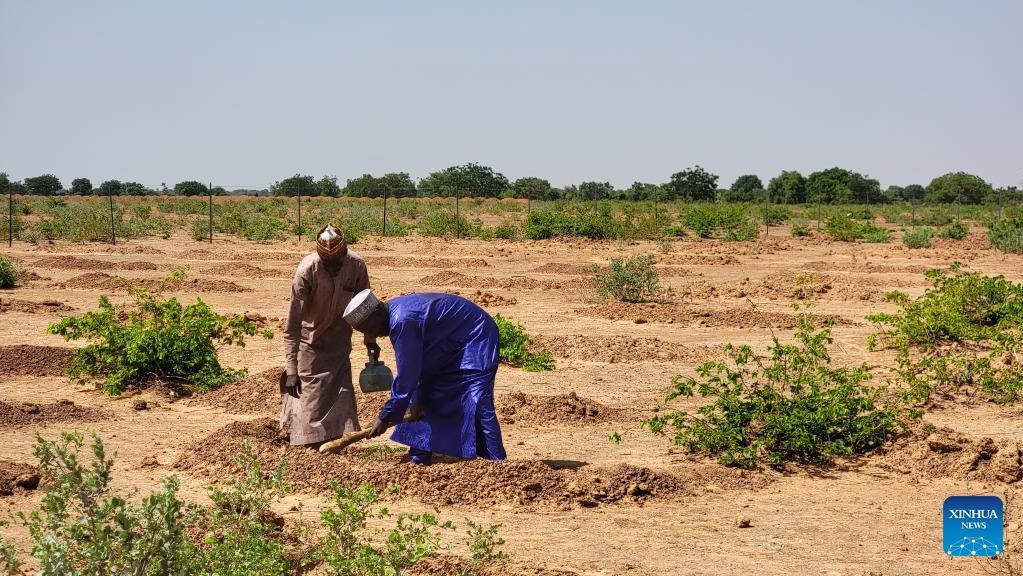
According to the minister, the agency’s mandate includes establishing a 15-kilometre-wide, 1,500-kilometre-long green belt across affected areas to restore degraded land, promote environmental sustainability, improve food security and reduce rural poverty.
Lawal said that since the programme’s launch in 2013 and its upgrade to a full-fledged agency in 2015, NAGGW has recorded several achievements, including:
-
Establishment of more than 100 shelterbelts.
-
Construction of 159 solar- and wind-powered boreholes to improve water access.
-
Recruitment of 600 youths as forest guards.
-
Development of 240 hectares of community orchards and woodlots to support local livelihoods.
The minister said operating from a temporary rented office in Abuja had created logistical challenges because most project locations are hundreds of kilometres away.
The new headquarters will be located within the Afforestation Programme Coordinating Unit (APCU) complex in Kano, a federal facility established in 1988. The complex has been largely underutilised since the completion of the World Bank-supported Arid Zone Afforestation Programme in 1996.
Lawal said the relocation reflects a broader Federal Government policy of placing agencies closer to their operational areas in order to improve efficiency and increase the impact of government programmes on local communities.
He expressed confidence that the move would accelerate implementation of the Great Green Wall initiative and strengthen efforts to protect vulnerable communities from climate change, desert encroachment and environmental degradation.
The relocation is expected to give fresh momentum to one of Africa’s largest environmental restoration initiatives, which seeks to rehabilitate degraded landscapes while creating economic opportunities across the Sahel region.