State governments have been urged to adopt and institutionalize community-based interventions to combat substance abuse and illicit drug trafficking, in line with the National Drug Control Master Plan (NDCMP).
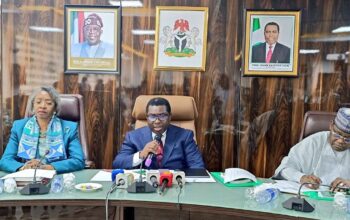
This call was the central message from Nigeria’s First Lady, Senator Oluremi Tinubu; Chairman of the National Drug Law Enforcement Agency (NDLEA), Brig. Gen. Buba Marwa (Rtd); United Nations Office on Drugs and Crime (UNODC) Country Representative, Cheikh Toure; and ECOWAS representative, Dr. Daniel Amankwaah. They made the appeal during a training workshop organized by NDLEA for members of the Nigeria Governors’ Spouses Forum (NGSF) in Abuja on Tuesday.
In her keynote address, Senator Tinubu, represented by Hajiya Laila Jibrin Barau, wife of the Deputy Senate President, commended the NDLEA and the NGSF for advancing grassroots-focused drug control efforts. She highlighted the urgent need for community-driven responses to rising drug abuse, especially among adolescents, combining enforcement, education, family support, and sustained interventions.

“This training equips us with the tools and knowledge to confront this growing crisis,” she stated, encouraging state first ladies to lead prevention initiatives and support community recovery programs. “Let us work together to build safer communities where our children are protected and empowered to thrive,” she added.
NDLEA Chairman Marwa emphasized the severity of Nigeria’s drug crisis, noting that over the past four years, the agency arrested 62,595 suspects—including 68 drug barons—seized over 10 million kilograms of assorted drugs, secured 11,628 convictions, and destroyed over 1,300 hectares of cannabis farms. On the demand reduction side, NDLEA provided counselling and treatment to 24,375 drug users and conducted over 10,500 sensitization programs nationwide.
Marwa urged state stakeholders to strengthen State Drug Control Committees (SDCCs) and develop pragmatic, community-focused solutions, stressing that “the cost of inaction is infinitely higher than the cost of collective action.”
UNODC Country Representative Cheikh Toure echoed this call, urging states to mobilize resources, prioritize budget allocations for prevention and treatment, and decentralize access to services. “Lasting change begins when states and local governments own this fight,” he said, emphasizing the influence of first ladies in driving community-level responses.
ECOWAS representative Dr. Amankwaah similarly called for increased investment in prevention and treatment at the state and community levels.
Resource persons at the workshop included Dr. Martins Agwogie, Prof. Akintunde Oyedokun, Dr. Akanidomo Ibanga, Dr. Kunle Adeshina, Dr. Abubakar Salami, and Dr. Ngozi Madubuike, who led technical sessions on evidence-based strategies for addressing drug abuse.