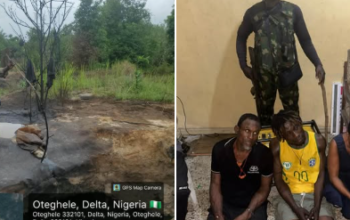
The Health of Mother Earth Foundation (HOMEF) has accused Heritage Energy Operational Services Limited of failing to contain a major oil well blowout in Delta State more than five weeks after the incident, warning that the approaching flood season could trigger a wider environmental and humanitarian crisis across farming and fishing communities.
In a field assessment report released on August 3 after a visit to Uzere Kingdom in Isoko South Local Government Area of Delta State, the environmental advocacy organisation said the June 26 blowout at Well 14 in Oil Mining Lease (OML) 30 was still discharging crude oil, gas and other petroleum substances into the environment.
HOMEF described the prolonged spill as a serious environmental emergency, expressing concern that the onset of seasonal flooding in August could spread contamination across rivers, wetlands, farmlands and fish ponds, worsening the impact on livelihoods and food security.
Uzere Kingdom, one of Nigeria’s oldest oil-producing communities where commercial oil production began in 1957, hosts the Uzere East and Uzere West oil fields. The area has more than 43 producing wells with an estimated daily production of about 53,000 barrels of crude oil, while the majority of residents depend on farming and fishing.
According to the report, community leaders who visited the site shortly after the incident were informed by Heritage Energy engineers that the blowout resulted from equipment failure caused by excessive pressure.
HOMEF said despite repeated appeals by residents for urgent intervention, the operator had been unable to stop the uncontrolled discharge. It added that more than a month after the incident, the damaged wellhead, commonly referred to as the “Christmas Tree,” had reportedly collapsed and continued releasing petroleum products into the surrounding environment.
Chairman of the Uzere Oil and Gas Committee, Mr. Sylvanus Evroro, said the community had experienced a similar oil spill about a decade ago, but noted that it was swiftly contained unlike the current incident.
He warned that continued delays in addressing the blowout could have devastating consequences as floodwaters begin to rise.
“August is approaching, and without intervention from the authorities responsible for salvaging the well blowout, the coming flood will worsen the situation by spreading the spill across the community and beyond,” Evroro said.
He added that approximately 90 per cent of the community’s residents rely on farming and fishing, stressing that continued pollution would severely damage farms, fish ponds, lakes and swamps, with far-reaching consequences for livelihoods and food production.
HOMEF also criticised what it described as the slow response of both Heritage Energy and regulatory authorities.
According to community leaders quoted in the report, Heritage Energy allegedly notified the National Oil Spill Detection and Response Agency (NOSDRA) nearly two weeks after the blowout occurred.
Residents said NOSDRA officials later visited the site and reportedly attributed the incident to poor maintenance of the operator’s equipment, but expressed concern that no meaningful containment or environmental remediation had commenced.
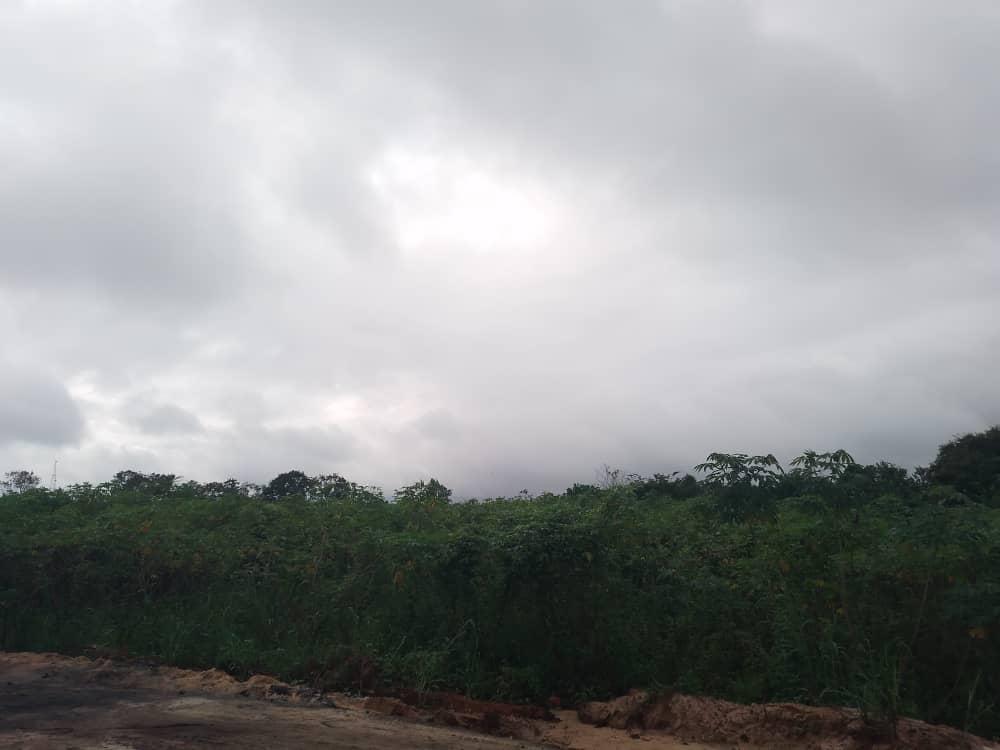
The organisation further disclosed that its assessment team, accompanied by senior community representatives, including the Vice President of Uzere Kingdom, was denied access to the affected site by security personnel, who insisted that clearance must first be obtained from Heritage Energy’s office in Warri.
Consequently, HOMEF said its findings were based on eyewitness accounts, photographs and video evidence provided by community members. It also noted that no Joint Investigation Visit (JIV) report was made available during the assessment.
The group warned that the prolonged discharge of crude oil presents serious environmental, public health and economic risks, particularly as Uzere is still recovering from the devastating floods of 2012 and 2022, which destroyed farmlands and disrupted livelihoods.
It added that the failure to contain the blowout raises critical questions about regulatory oversight and emergency response by both the operator and relevant government agencies.
HOMEF called on Heritage Energy to immediately halt the blowout using internationally accepted emergency response measures, undertake comprehensive environmental clean-up and remediation, replace ageing oil infrastructure and grant unrestricted access to regulators, affected communities and independent observers.
The organisation also urged NOSDRA to conduct and publicly release a transparent Joint Investigation Visit report, enforce environmental compliance and closely supervise remediation of the affected area.
It further appealed to the Federal Government and the Delta State Government to ensure adequate compensation for affected residents, restore damaged livelihoods and implement long-term environmental monitoring until the ecosystem is fully rehabilitated.
HOMEF argued that environmental regulators should proactively monitor pollution incidents rather than waiting for invitations from oil operators, describing the current practice as outdated and ineffective in ensuring accountability and environmental justice.
The report cited Article 24 of the African Charter on Human and Peoples’ Rights, which guarantees every people the right to a satisfactory environment conducive to their development, insisting that oil-producing communities deserve timely intervention, environmental protection and effective regulatory oversight.