Irregular migration is exposing Nigerian women and girls to heightened risks of sexual exploitation, gender-based violence, forced labour and psychological trauma, with traffickers increasingly exploiting economic hardship, family pressure and digital platforms to lure victims with promises of jobs and better lives abroad.
The International Organization for Migration (IOM) Chief of Mission in Nigeria, Ms. Dimanche Sharon, warned that migration itself is not the problem, but unsafe migration routes can leave vulnerable travellers outside formal systems of legal protection, healthcare and social support.
According to her, women and girls travelling through irregular channels are particularly vulnerable to sexual exploitation and other forms of abuse, while children travelling alone or separated from their families face similar dangers.
Traffickers often disguise exploitation as legitimate employment opportunities, only to subject victims to forced prostitution, physical abuse, forced labour and other forms of coercion. Passports may be confiscated, while debts incurred to finance migration are sometimes used as tools of control.
One survivor from Edo State, whose case was recalled by Sharon, reportedly had her mother sell property to finance her journey after she was promised a better life abroad. Instead, she was exploited, abused and became ill before eventually escaping.
However, returning home presented another challenge. The woman feared the stigma of returning without the success her family had expected, particularly after her mother’s property had been sold to finance the journey.
With support from the Nigerian Government and IOM, she eventually began rebuilding her life. She joined a cooperative, acquired land, developed a livelihood and was able to send her child to school.
The case highlights the often-overlooked psychological and social consequences of trafficking, which can continue long after a victim has escaped.

Survivors may return with anxiety, depression, fear, shame, damaged self-confidence and social isolation. Many also face stigma from their families and communities, with blame sometimes directed at victims rather than the perpetrators of abuse.
Sharon also identified unemployment, lack of economic opportunities, climate-related pressures, displacement, misinformation and social expectations as factors that can increase vulnerability to irregular migration and trafficking.
Family pressure can further compound the problem, particularly when young people are constantly compared with peers who appear to have achieved financial success abroad.
The growing use of technology has also created new avenues for traffickers. Fake job advertisements, fabricated social media profiles and video calls can be used to establish credibility and lure unsuspecting victims.
Sharon cited the case of a Nigerian man who responded to a Facebook job advertisement for employment in Thailand. After communicating with a recruiter through WhatsApp and participating in video calls, he travelled abroad, only to have his passport confiscated and be forced into online criminal activities. The person he had interacted with through video calls, she said, was an artificial intelligence-generated fake identity.
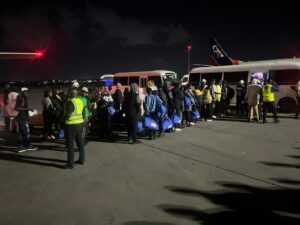
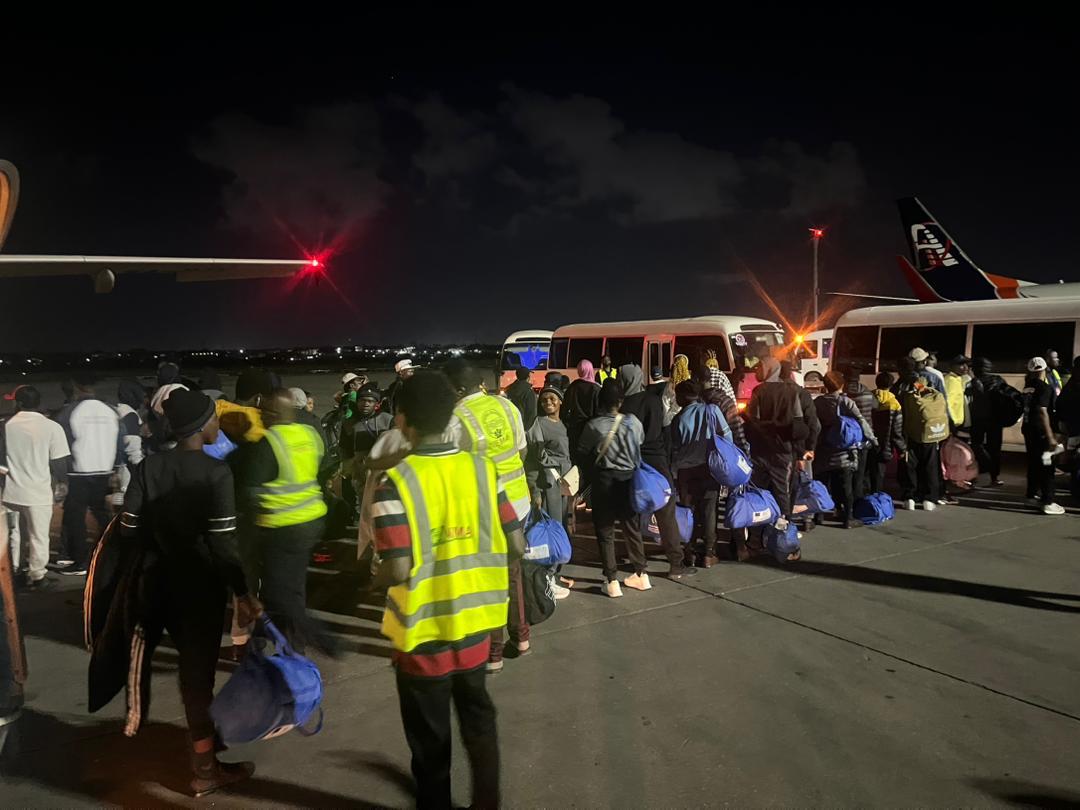
The IOM has assisted more than 68,000 returnees to return home safely and with dignity, while more than 53,000 people have received reintegration support through economic, psychosocial and community-based interventions.
The interventions underscore the importance of economic empowerment in helping survivors regain independence and reducing their vulnerability to further exploitation.
Experts and stakeholders have consequently called for greater public awareness about the risks associated with unverified migration offers, while urging families, schools, religious institutions and communities to help young people identify fraudulent recruitment schemes.
Prospective migrants are also advised to verify employment offers through official channels, understand visa requirements, establish the identity of prospective employers and be wary of individuals demanding large sums of money in exchange for seemingly easy routes to wealth.
The broader message, according to the report, is not that Nigerians should abandon migration, but that migration must be safe, informed and conducted through regular pathways.
“Dream big, but do not gamble with your life,” Sharon said, in a message underscoring the need to protect Nigerians from trafficking and exploitation.
The report stresses that sexual and gender-based violence must not be treated as an inevitable consequence of migration, but as a serious human rights violation requiring stronger prevention, protection, prosecution and survivor support.
For Nigerian women and girls seeking better opportunities abroad, the central message is clear: the pursuit of a better future should never come at the cost of their freedom, safety or dignity.