After seven years of critical intervention, Médecins Sans Frontières (MSF) has officially handed over its Lassa fever response programme in Ebonyi State to local health authorities, marking a major milestone in Nigeria’s fight against the deadly disease.
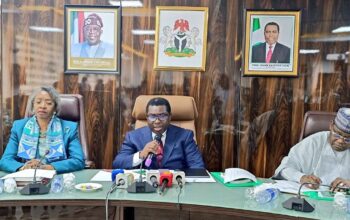
The handover was announced on Tuesday, 18 June, in Abuja, following the completion of MSF’s phased withdrawal from operations at the Alex Ekwueme Federal University Teaching Hospital Abakaliki (AE-FUTHA), the state’s primary treatment centre.
MSF’s involvement began in 2018, following a severe outbreak of Lassa fever that overwhelmed healthcare infrastructure and claimed the lives of 16 healthcare workers in a single season. PPE shortages, poor infection control, and delayed diagnoses had left staff vulnerable and fearful.
“Our top priority was to stop avoidable deaths among health workers,” said Alain-Godefroid Ndikundavyi, MSF’s project coordinator in Ebonyi. “We reinforced the hospital’s ability to manage the disease and restore hope in the health system.”
MSF’s work included constructing triage and observation areas, supplying personal protective equipment (PPE), implementing infection control protocols, and delivering over 230 training sessions to healthcare professionals. Between 2018 and 2024, MSF supported the treatment of 1,701 suspected and 427 confirmed cases, fully covering patient care costs—including dialysis, medication, and meals.

MSF’s community engagement also reached beyond hospital walls. The organisation carried out over 4,500 health education sessions and 1,300 community visits to raise public awareness, correct misconceptions, and promote early diagnosis. Two rural primary healthcare centres—Izzi Unuhu and Onuebonyi—were also strengthened with supplies, equipment, and clean water facilities.
“Effective response begins at the community level,” said Ndikundavyi, noting that decentralising care helped ease the pressure on AE-FUTHA.
The transition to local control began in late 2024 and concluded in March 2025, with MSF donating medical equipment, ambulances, waste management systems, and enough supplies to last through the next Lassa season. Internal infection control committees and partnerships with the Nigeria Centre for Disease Control and Prevention (NCDC) were also established to ensure long-term sustainability.
“Today, our staff work confidently with proper equipment and training,” said Dr. Nnennaya Anthony Ajayi of AE-FUTHA. “We are no longer afraid.”
In 2024, the hospital recorded 24 confirmed Lassa cases and one staff death—still tragic, but a significant improvement from 2018. The MSF departure leaves behind a stronger, more resilient system ready to continue the fight against Lassa fever.