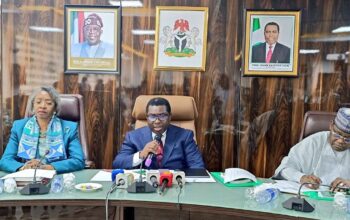
Dafe Akpeneye, Commissioner of Legal, Licensing, and Compliance at the Nigerian Electricity Regulatory Commission (NERC), emphasized the critical need for investments and renewable energy in Nigeria’s power sector during a panel discussion at the 18th Annual Business Law International Conference of the Nigerian Bar Association (NBA) Section on Business Law on Friday.
The panel, themed “Tackling the Power Deficit: Is Renewable Energy the Solution?” and moderated by Ms. Dolapo Kukoyi, addressed the pressing issue of Nigeria’s energy insufficiency. Akpeneye highlighted two essential steps for achieving energy sufficiency: increasing energy capacity and fostering a conducive business environment for investors.
Currently, Nigeria’s energy capacity stands at an average of 4,000 megawatts for a population exceeding 200 million, a stark contrast to Mumbai, India, which consumes between 3,500MW and 4,000MW, with the entire state of Maharashtra using about 43,000MW in 2022. Akpeneye stressed the importance of attracting investments to boost Nigeria’s energy capacity, requiring a commitment of critical resources and assurance of return on investment for stakeholders in the Nigerian Electricity Supply Industry (NESI).
Furthermore, Akpeneye advocated for diversifying Nigeria’s energy mix by incorporating renewable energy sources, particularly solar power, which is becoming increasingly cost-effective. Currently, Nigeria relies on expensive gas and cheaper large hydropower for electricity generation. Integrating solar energy could reduce overall production costs and potentially lower tariffs in the long run.
The session underscored that a thriving investment climate, protected investments in the power sector, and a strong focus on promoting Nigeria’s energy mix program are pivotal for advancing the country’s energy sufficiency goals.