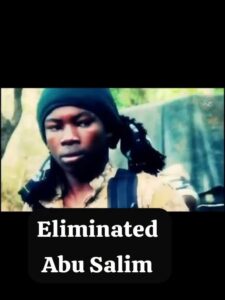
The reported elimination of Abu Salim al-Barnawi, a senior Islamic State West Africa Province (ISWAP) propaganda operative, marks more than another battlefield success for Operation HADIN KAI. If the military’s account is accurate, it represents a strategic strike against one of the insurgent group’s most valuable assets—its ability to shape narratives, recruit followers and project strength beyond the battlefield.
For years, Nigeria’s counterinsurgency campaign focused largely on neutralising field commanders and reclaiming territory. Increasingly, however, military operations appear to be targeting the broader ecosystem that sustains terrorist organisations, including logistics, intelligence, financing and propaganda.
The latest operation at Cross Kauwa in Borno State, where troops repelled a failed ISWAP attack on July 12, appears to reflect that evolving strategy.
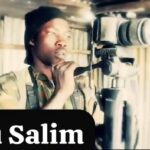
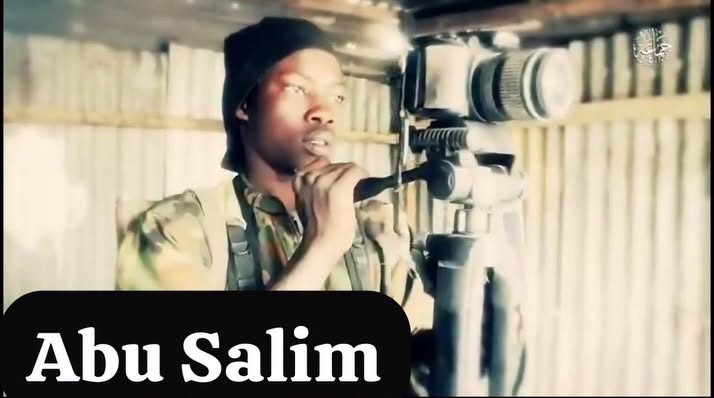
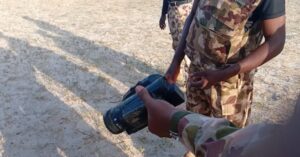
According to Operation HADIN KAI, Abu Salim al-Barnawi was killed alongside Abu Umar Khattab and Abu Khalid Usman, members of ISWAP’s mobile media unit responsible for filming attacks, producing propaganda videos and documenting the group’s operations. Troops also recovered a video camera during the operation, suggesting that the media team accompanied the assault to capture footage for future propaganda releases.
Modern terrorist organisations fight two wars simultaneously. One is fought with weapons on the ground; the other is fought through information.
Groups such as Boko Haram and ISWAP rely heavily on professionally produced videos, photographs and online publications to magnify their influence far beyond the physical locations where attacks occur. Carefully edited footage of raids, ambushes and military equipment is designed to intimidate communities, boost the morale of fighters, attract recruits and reassure financial backers that the organisation remains operational.
A relatively small attack can create nationwide fear if accompanied by sophisticated media content. Conversely, military victories that remain undocumented or poorly communicated may have limited psychological impact.
For this reason, disrupting an insurgent group’s media infrastructure can be nearly as significant as eliminating its battlefield commanders.
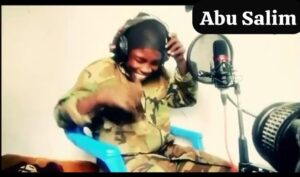
Military intelligence describes Abu Salim as more than a photographer.
Before joining ISWAP’s media department, he reportedly commanded cross-border raids into neighbouring Cameroon, giving him operational experience as well as an understanding of the group’s leadership and tactics.
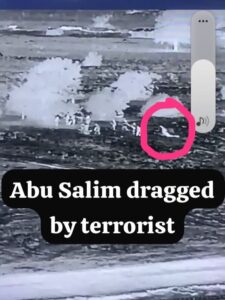
His transition from combat commander to propaganda operative illustrates how ISWAP integrates military operations with strategic communications. Such individuals do not merely document attacks; they determine which images are released, craft narratives that portray operational success and seek to reinforce the group’s ideological appeal.
His reported death therefore represents the loss of institutional knowledge that cannot easily be replaced.
The military also disclosed that ISWAP published an obituary acknowledging his death. While terrorist organisations often conceal casualties to preserve morale, public tributes to senior operatives may indicate both the individual’s importance and the organisation’s recognition of a significant loss.
The Cross Kauwa operation appears to have inflicted broader damage than the loss of a single operative.
According to Operation HADIN KAI, troops also eliminated a senior commander identified as Aliyu Zabarmari, a Syrian national linked to the group and other experienced fighters, while several terrorists reportedly fled with serious injuries. The military further stated that another foreign Arab mercenary remains missing following the encounter.
If independently confirmed, the presence of foreign fighters would underscore the transnational dimension of the insurgency and reinforce concerns that extremist networks continue to attract external support despite years of military pressure.
The operation therefore reflects a broader effort to dismantle both ISWAP’s combat capability and the specialised units that sustain its operations.
Counterterrorism experts have long argued that defeating extremist organisations requires more than battlefield victories.
Recruitment, radicalisation, financing and ideological influence often determine whether insurgent groups survive military setbacks. ISWAP has consistently demonstrated an ability to regenerate after losing territory by exploiting digital platforms, producing sophisticated media content and adapting its organisational structure.
Reducing that capability could weaken the group’s ability to recruit new fighters, maintain morale among existing members and project influence across the Lake Chad Basin.
The elimination of media operatives therefore carries strategic significance beyond the immediate tactical success.
Despite recent military gains, security analysts caution against interpreting isolated operational successes as evidence that the insurgency has been defeated.
ISWAP has repeatedly shown resilience, adapting its tactics through decentralised cells, asymmetric attacks and the recruitment of new operatives after leadership losses.
Maintaining pressure through intelligence-driven operations, strengthened regional cooperation with neighbouring countries and sustained disruption of logistics, financing and communication networks will remain essential.
Equally important is ensuring that military gains are consolidated through stabilisation efforts, improved governance, humanitarian assistance and community engagement in liberated areas to prevent extremist groups from re-establishing influence.
Operation HADIN KAI’s latest success highlights an important evolution in Nigeria’s counterterrorism strategy—from targeting only fighters to systematically dismantling the structures that enable terrorist organisations to survive.
If sustained, operations that simultaneously degrade combat units, leadership cadres and propaganda networks could significantly reduce ISWAP’s operational effectiveness and ideological reach.
However, lasting success will ultimately be measured not only by the number of commanders eliminated but by the military’s ability to deny terrorist groups the capacity to recruit, regenerate and regain influence.
The battle against insurgency is no longer fought solely with bullets. It is equally a contest over information, perception and legitimacy. The reported elimination of ISWAP’s media leadership suggests Nigeria increasingly recognises that winning the information war is as critical as winning battles on the ground.