The National Human Rights Commission (NHRC) has declared climate change a growing human rights emergency in Nigeria, warning that rising temperatures, recurrent floods, prolonged droughts and climate-induced displacement are depriving millions of Nigerians of their fundamental rights to life, health, food, shelter and dignity.
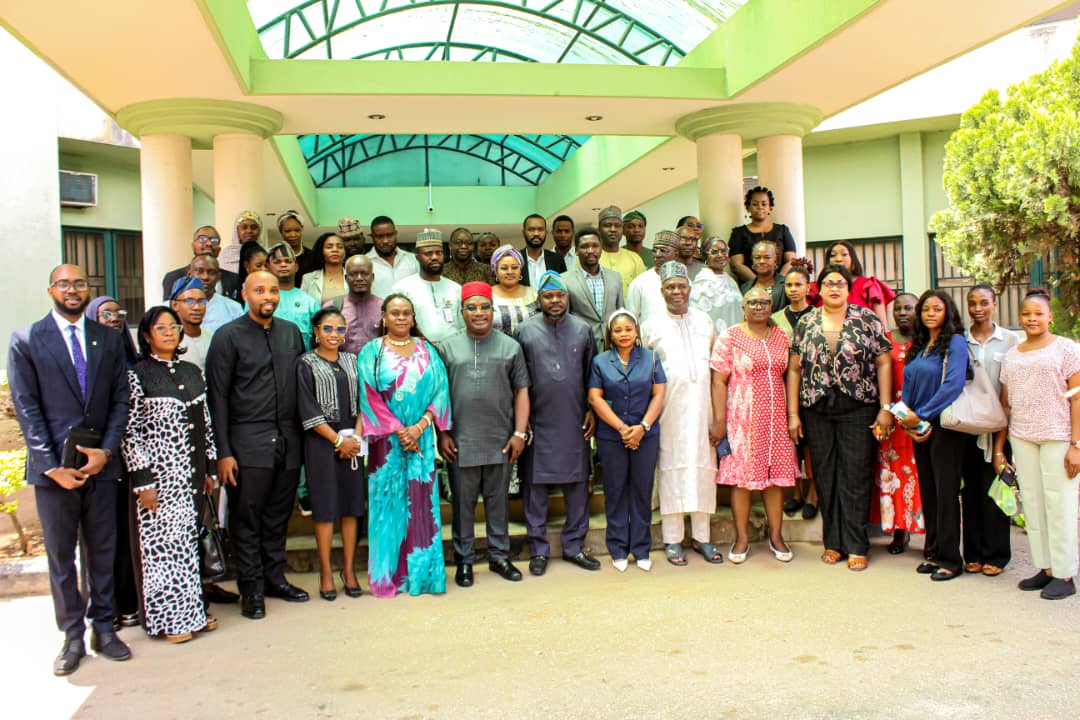
The Commission made the declaration on Tuesday in Abuja as it inaugurated the National Working Group on Human Rights and Climate Change, a multi-stakeholder platform established to integrate human rights principles into Nigeria’s climate policies and response strategies.
Speaking at the inauguration, the Executive Secretary of the NHRC, Chief Tony Ojukwu, said climate change has evolved beyond an environmental concern into a humanitarian and human rights crisis requiring urgent, coordinated national action.
He noted that communities devastated by floods, farmers whose livelihoods have been destroyed by erratic weather, families displaced by climate-related disasters and children forced out of school by environmental emergencies are all victims of rights violations deserving institutional protection.
“Climate change is not just about rising temperatures or changing weather patterns. It is about people losing their homes, farmers losing their livelihoods, communities being uprooted and vulnerable populations being pushed deeper into poverty,” Ojukwu said.
He stressed that the country’s climate response must be driven by the need to protect people and safeguard their rights, adding that the newly inaugurated Working Group would provide a platform for government agencies, civil society organisations, development partners and academics to ensure vulnerable communities remain at the centre of climate governance.
According to him, the initiative is a joint effort involving the NHRC, the Federal Ministry of Environment and the National Council on Climate Change, with a mandate to mainstream human rights into climate governance and strengthen accountability in climate-related interventions.
Representing the Minister of Environment, Alhaji Balarabe Lawal, Dr. Iniobong Abiola Awe reaffirmed the Federal Government’s commitment to implementing climate adaptation and mitigation policies that are inclusive, equitable and responsive to the needs of communities most affected by environmental degradation.
She said Nigeria’s climate programmes must protect vulnerable populations while promoting sustainable development.
Director-General of the National Council on Climate Change, Dr. Omotenioye Majekodunmi, said the impacts of climate change are already evident across the country, pointing to recurring floods, desertification, rising temperatures, forced migration and worsening farmer-herder conflicts as clear indicators that the crisis now poses environmental, social and economic threats.
She warned that the consequences of climate change extend beyond damaged ecosystems to include threats to livelihoods, national security, economic stability and human dignity.
Civil society organisations also pledged support for the initiative.
Founder of the Women Environmental Programme, Dr. Priscilla Achakpa, called for greater attention to climate justice, particularly for women, children, youths and other vulnerable groups who suffer the greatest consequences of climate change despite contributing the least to global greenhouse gas emissions.
The Federal Commissioner for Refugees, Migrants and Internally Displaced Persons, Aliyu Tijani Ahmed, represented by former NHRC Director Dahiru Bobbo, reaffirmed the agency’s commitment to protecting persons displaced by climate-related disasters.
The Presidency also threw its weight behind the initiative, with the Special Assistant to President Bola Tinubu on Climate Change, Comrade Yussuf Kelani, pledging support for the activities of the Working Group.
The inauguration comes as Nigeria faces increasingly severe climate shocks, with recurrent flooding displacing hundreds of thousands of people, destroying farmlands and critical infrastructure, while prolonged drought and desertification across parts of northern Nigeria continue to intensify competition for shrinking natural resources, fuelling conflicts and worsening food insecurity.
The NHRC said the establishment of the National Working Group marks a significant step towards ensuring that Nigeria’s climate response not only focuses on emissions reduction and resilience-building but also safeguards the rights, welfare and dignity of citizens most vulnerable to the impacts of climate change.