The National Human Rights Commission (NHRC) has restated its commitment to protecting the rights and dignity of all Nigerians as it marks 30 years of advocacy, accountability and national service.
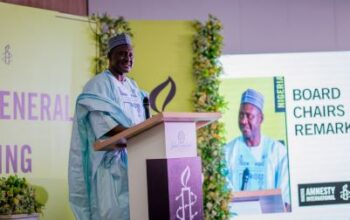
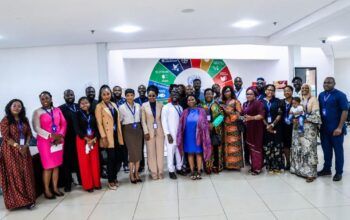
Speaking at the NHRC @ 30 Civil Society and Human Rights Defenders Forum and Human Rights Expo in Abuja, Executive Secretary Dr. Tony Ojukwu highlighted the Commission’s major achievements, from monitoring detention facilities to shaping national policies that promote and protect human rights.
Ojukwu said the Commission remains committed to safeguarding vulnerable groups and strengthening its mandate across the country. “As we mark thirty years, we must recommit ourselves to promoting, protecting and enforcing human rights for all Nigerians, ensuring that every person, regardless of circumstance, enjoys their rights fully,” he said.
He cited key milestones, including the successful implementation of five National Action Plans, the adoption of Nigeria’s first National Action Plan on Business and Human Rights, and NHRC’s designation as the National Preventive Mechanism for preventing torture nationwide.
Ojukwu praised civil society organisations and human rights defenders for being “the backbone of human rights protection,” noting that their courage and vigilance ensure accountability.
He also underscored modern threats to human rights—such as artificial intelligence, digital surveillance, misinformation and climate-related challenges—stressing the need for stronger collaboration among government, civil society and citizens. “Institutions alone do not protect human rights; people do,” he said. “True progress comes from individuals who refuse to be indifferent.”
UN Resident and Humanitarian Coordinator Mohamed Fall commended the Commission’s “courageous and professional” work over three decades, describing it as a beacon of justice for vulnerable citizens. He highlighted sustained UN support through training, capacity-building and technical assistance that strengthened NHRC’s independence and investigative systems.
Fall also praised Ojukwu’s leadership, noting the Commission’s rising credibility and regional influence through his role as chair of the Network of National Human Rights Institutions of West Africa.
He said the 30th anniversary should be a moment to recommit to democracy, dignity and the fight against corruption.
EU Ambassador to Nigeria and ECOWAS, Gautier Mignot, also reaffirmed the EU’s support, emphasising NHRC’s crucial role in providing access to justice nationwide. He noted that the Commission handled 2.5 million complaints last year alone, ranging from labour violations to gender-based violence.
Mignot said NHRC’s documentation and data systems—including the monthly Human Rights Situation Report and the National Observatory—serve as essential tools for advocacy and reform.
He called for evidence-based approaches to complex challenges such as drug abuse, warning that punitive measures alone worsen stigma and mental health crises.
Law Professor and Senior Advocate of Nigeria, Prof. Joy Ezeilo, reflected on Nigeria’s democratic journey, stressing that the return to civilian rule in 1999 resulted from relentless activism, not political generosity. “Democracy in Nigeria was not handed down; it was wrested by unarmed citizens, civil society groups, women’s organisations and student unions who demanded accountability,” she said.
Ezeilo acknowledged progress since 1999—judicial improvements, legal reforms and a surge in NGOs—but warned that persistent challenges such as impunity by security agencies, violence against women, poverty, trafficking and cyber threats still undermine human dignity.
She insisted that strong, independent institutions like the NHRC, supported by international organisations, remain vital for accountability and effective remedy.
Ezeilo urged Nigerians to remain vigilant and actively engage in protecting fundamental freedoms. “Human rights must not just be aspirations but a lived reality for all Nigerians,” she said.
The NHRC’s 30th anniversary events continue with calls for renewed national commitment to human rights, justice and inclusive governance.