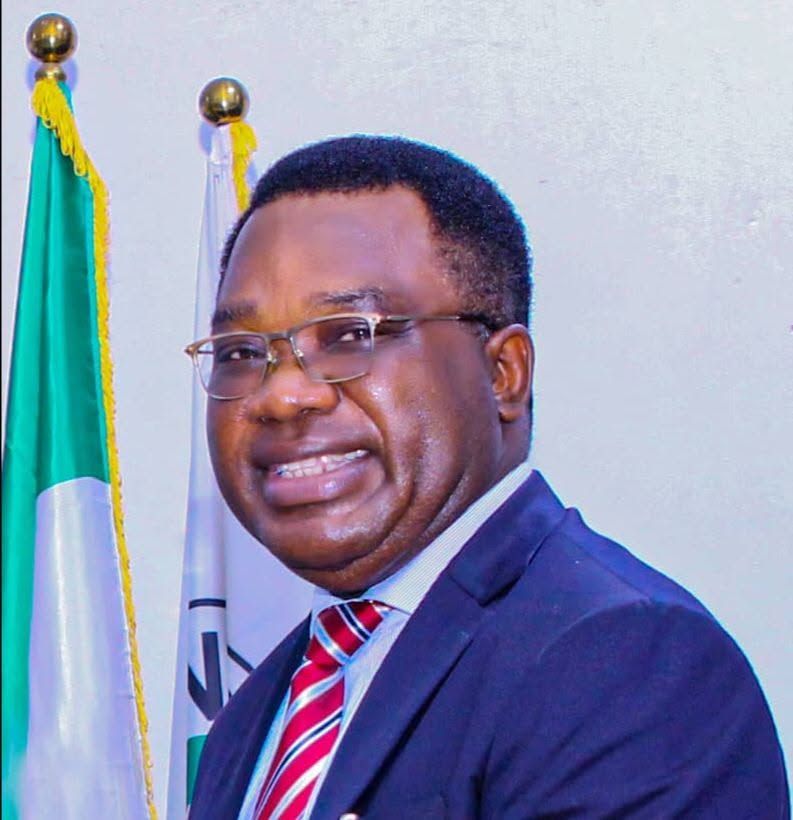
The Executive Secretary of the National Human Rights Commission (NHRC), Chief Anthony Ojukwu, SAN, OFR, has called for the urgent establishment of State Police in Nigeria, saying decentralising policing is essential to improving security, reducing response time and strengthening the protection of citizens’ rights.
Ojukwu made the call on Tuesday in Port Harcourt during a panel session at the 66th Annual General Conference of the Nigerian Bar Association (NBA), themed “Beyond Limits.”
He identified delayed responses to security threats as one of the major shortcomings of Nigeria’s centralised policing structure, warning that citizens could no longer be expected to live in fear while awaiting security interventions.
“If you don’t have State Police, you can never have adequate security. We have over 200 million people in Nigeria with far less number of policemen to police them. The response time is so long that we only live by God’s grace,” he said.
According to the NHRC chief, State Police would enhance security by enabling law enforcement personnel operating at state and local levels to respond more rapidly to threats, given their familiarity with local terrain, communities and security challenges.
“With State Police, the governors will have the wherewithal to respond quickly. The police will be more effective because they know the terrain; they know the people,” he said.
However, Ojukwu stressed that decentralising policing must be accompanied by robust human rights safeguards, accountability mechanisms and independent oversight to prevent abuse.
He warned that State Police must not become an instrument for political repression, unlawful arrests, torture, intimidation or other violations of fundamental rights.
“We must insist that when the National Policing Bill comes, it must be well drafted. There must be a board that runs it. There must be oversight. Otherwise, it will become another problem,” he cautioned.
Ojukwu said effective policing should not be measured solely by the number of arrests or suspects apprehended, but also by the extent to which security agencies uphold human dignity, due process, the rule of law and fundamental rights.
He urged lawyers and citizens to remain vigilant and hold security agencies accountable, particularly in cases involving arrests and the exercise of police powers.
“Lawyers should be the people to insist on the right thing to do. If the police is going to arrest anybody, insist on the right procedure. Don’t let them abuse power. We have to watch them,” he said.
The NHRC Executive Secretary maintained that security and human rights were not competing objectives, arguing that sustainable security could only be achieved through policing anchored on legality, professionalism, accountability and respect for fundamental rights.
He noted that persistent insecurity and delayed responses to threats had weakened public confidence in security institutions, leaving many Nigerians feeling that their safety depended more on chance than on an effective policing system.
“Our people live by God’s grace because the system is not working. That must change,” he said.
Ojukwu concluded that Nigeria must move beyond an overstretched policing structure that is insufficiently responsive to local security realities.
“We cannot continue with a system where only a few police officers are expected to secure millions. It is time to go beyond limits and give Nigerians the security they deserve — securely, effectively and accountably,” he said.