In a resolute move against the illicit trade of elephant tusks and ivories, the Nigerian federal government has embarked on the construction of a significant monument in Abuja, fashioned from the ashes of 2.5 tonnes of confiscated tusks and ivories, representing a market value of N9.9 billion. This initiative serves a dual purpose: to underscore the nation’s reverence for elephants and to convey its unequivocal stance against the illegal trade in ivory.
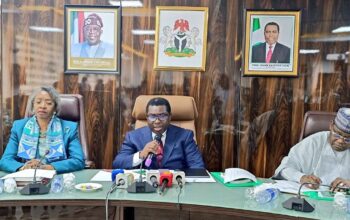
The Minister of State for Environment, Dr. Iziaq Salako, made the announcement during the public disposal event held in Abuja on Tuesday. The ashes from the crushed tusks and ivories will be used to create a monument in the capital, aimed at showcasing Nigeria’s commitment to the preservation of elephants and its intolerance towards illegal wildlife trade.
Dr. Salako highlighted Nigeria’s historical suspension from the Convention on International Trade in Endangered Species of Wild Fauna and Flora (CITES) due to an upsurge in illegal wildlife trade and inadequate enforcement. However, he underscored that concerted efforts, including the establishment of a Nine-Member Inter-Agency Committee on CITES enforcement chaired by the National Environmental Standards and Regulations Enforcement Agency (NESREA), led to the lifting of the suspension in 2011.


The Minister emphasized the decision to opt for the destruction of stockpiles as a demonstration of Nigeria’s zero tolerance for illegal wildlife trade, serving as a deterrent to traffickers who exploit the country as a transit route. He urged the global community to collaborate in eradicating this illicit trade, which poses a severe threat to the existence of elephants.
Dr. Salako stated, “Today’s ivory crush is a symbol of Nigeria’s unwavering commitment to wildlife conservation and the protection of our natural heritage. By destroying these confiscated ivory stockpiles, we send a strong message that wildlife trafficking will not be tolerated in our country.”
Professor Aliyu Jauro, the Director General/Chief Executive Officer of NESREA, supported the Minister’s remarks, describing the destruction of confiscated ivory as a tangible step towards eradicating wildlife trafficking. He stressed the collective responsibility to preserve elephants for future generations and conveyed Nigeria’s determination to protect its endangered wildlife.


The illegal ivory trade remains a significant threat to elephant populations across Africa, contributing to a drastic decline in numbers. Tens of thousands of elephants are killed annually for their tusks, despite a ban on the international ivory trade since 1989 by CITES. The recent African Elephant Status Report indicates a sharp decline in elephant numbers, with as few as 400 remaining in Nigeria today.
John Scanlon, CEO of the Elephant Protection Initiative Foundation (EPIF), commended Nigeria’s commitment, stating, “The destruction of confiscated elephant ivory in Abuja will not, in itself, put an end to the trafficking of elephant ivory. It will, however, ensure that no one will ever profit from this contraband.” He expressed the foundation’s support for Nigeria in stockpile management and conservation efforts.
As Nigeria unveils this symbolic monument, it signals its dedication to combating illegal wildlife trade and safeguarding the future of its remaining elephant population.