Nigeria risks missing out on the economic gains of its rapidly growing youthful population unless governments at all levels make urgent investments in education, healthcare, job creation, skills development and credible population data, government officials, lawmakers, development partners and youth advocates warned on Tuesday.
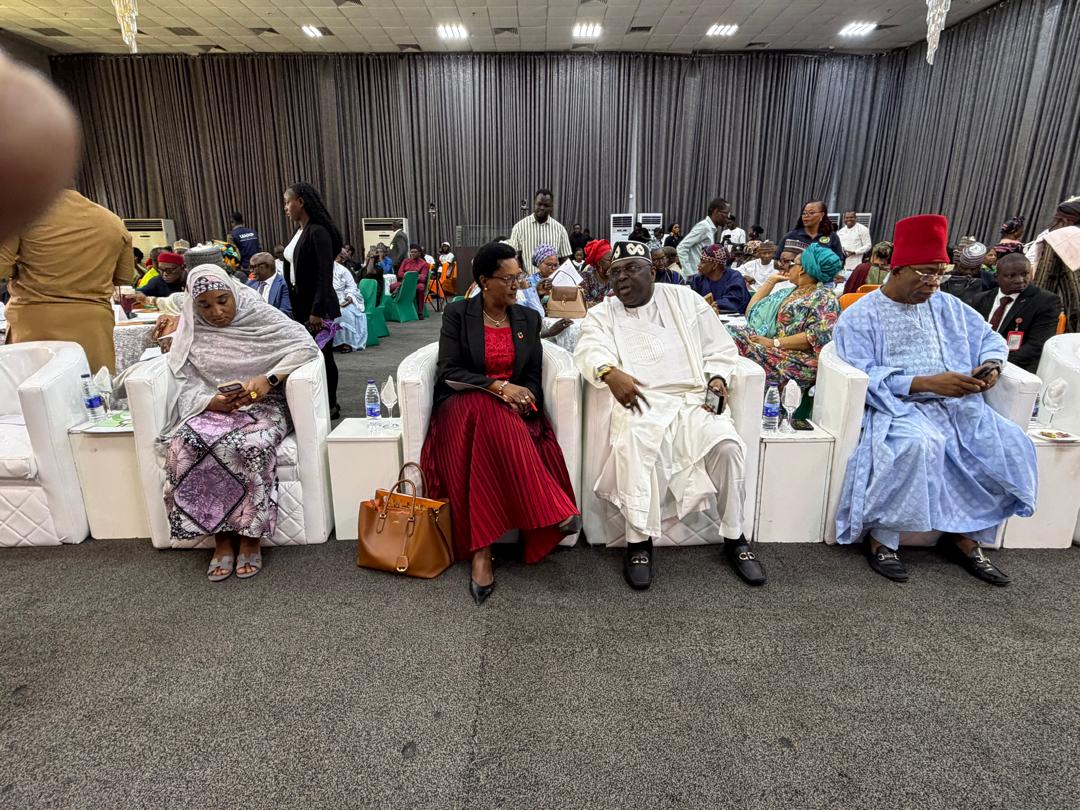
The warning dominated the 2026 World Population Day commemoration in Abuja, where stakeholders agreed that Nigeria’s rapidly expanding population could become either a powerful engine of economic growth or a major development challenge, depending on policy decisions taken now.
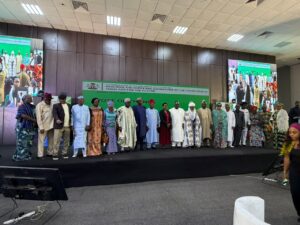
The event, themed “Realizing the Hopes and Aspirations of Young People Today and for the Future,” brought together representatives of the National Population Commission (NPC), the United Nations Population Fund (UNFPA), ministers, lawmakers, traditional rulers, civil society organisations and youth groups, who called for concrete actions to harness the country’s demographic potential.
Chairman of the National Population Commission, Dr. Aminu Yusuf, said Nigeria’s large youth population would not automatically translate into prosperity without deliberate investments in human capital.
“A demographic dividend is not created by numbers alone,” Yusuf said. “It is created when a country makes the right investments and establishes the right policies to ensure that its growing working-age population is healthy, educated, skilled, productive and economically engaged.”
He identified adolescent pregnancies, limited access to reproductive healthcare and the exclusion of young people from decision-making as major obstacles to achieving sustainable development, stressing that youths must become active participants in shaping national policies.
Minister of State for Education, Prof. Suwaiba Said Ahmad, described Nigeria’s youthful population as one of its greatest comparative advantages, highlighting ongoing Federal Government reforms aimed at reducing out-of-school children, expanding technical and vocational education, strengthening science and technology learning, improving teacher quality and promoting digital literacy.
Representing the United Nations Secretary-General, Ms. Muriel Mafico warned that persistent inequality continues to deny millions of young Nigerians—particularly girls, rural dwellers and internally displaced persons—access to quality education, healthcare and decent employment.
“The gap between aspiration and reality is not inevitable,” she said. “It is a product of inequality, and inequality can be changed.”
In a message delivered by UNFPA Nigeria Representative, Ms. Zubaina Abubakar, the agency’s Executive Director, Ms. Diene Keita, noted that Nigerians aged between 10 and 24 account for nearly one-third of the country’s population, making investments in young people essential for inclusive economic growth.
She, however, cautioned that economic hardship, insecurity and limited opportunities continue to frustrate the aspirations of many young Nigerians.
The event also revived calls for Nigeria to conduct a long-overdue national population census.
Chairman of the Senate Committee on National Identity and Population, Senator Victor Umeh, advocated an amendment to the Constitution to make the conduct of a national census mandatory every 10 years.
Nigeria’s last national census was conducted in 2006.
According to Umeh, the absence of up-to-date demographic data has weakened national planning, resource allocation and evidence-based policymaking.
“There is no reason why we should not put the interval for conduct of national census in the Constitution,” he said.
He also disclosed that the National Assembly is supporting the deployment of digital technology for birth, death and marriage registration to strengthen Nigeria’s demographic database.
Executive Director of the Planned Parenthood Federation of Nigeria (PPFN), Dr. Abubakar Okai, underscored the importance of credible population data for effective planning in education, healthcare, infrastructure and other critical sectors.
Traditional rulers also urged stronger collaboration between government institutions and community leaders to promote population awareness and improve girls’ education.
The Emir of Shanga, Dr. Haliru Ndanusa Yahaya, called for closer partnerships with traditional institutions to drive grassroots engagement on population and development issues.
Representing the Minister of Youth Development, Mr. Anthony Chukwuka said investing in young Nigerians through skills development and employment opportunities had become an economic imperative, noting that over 70 per cent of the country’s population is below the age of 35.
Youth representative, Miss Ivanna Itoandon, challenged policymakers to give young people a greater voice in decisions affecting their future, insisting that youth participation should be central to national development planning.
Special Adviser to the President on Health, Dr. Salma Ibrahim Anas, said the Federal Government is strengthening healthcare delivery by prioritising women, adolescents and other vulnerable groups while positioning young people as partners in programme implementation.
Representing the Minister of Women Affairs, Ajia Amina Danjuma urged policymakers to view population not merely as statistics but as human capital capable of driving national transformation.
In his closing remarks, Director-General of the National Population Commission, Abuh Muhammad, called for sustained investments in education, healthcare, innovation, digital inclusion, employment and gender equality, warning that the aspirations of Nigeria’s youth cannot be achieved through speeches or annual commemorations alone.
Participants unanimously agreed that Nigeria’s demographic future will ultimately depend not on the size of its population, but on the quality of investments made in its people and the availability of reliable data to guide national development planning.