A new report has raised alarm over Nigeria’s financing of early childhood development, warning that millions of children affected by conflict, displacement, climate shocks and poverty remain “fiscally invisible” in government budgets, despite facing some of the country’s worst humanitarian conditions.
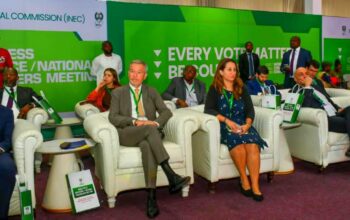
The report, Financing Early Childhood Development in Crisis (ECDiC) in Nigeria: From Fiscal Invisibility to Child-Level Results, launched in Abuja on Wednesday by the Moving Minds Alliance (MMA) in partnership with Whole Child Advisors, argues that Nigeria’s budgeting system fails to adequately prioritise children between the ages of zero and eight, undermining the country’s long-term human capital development.
It warns that the absence of dedicated funding for early childhood development in crisis settings is leaving millions of vulnerable children without access to essential healthcare, nutrition, education and protection services.
According to the report, Nigeria’s Human Capital Index stands at just 0.36, indicating that a child born today is expected to realise only 36 per cent of his or her productive potential due to poor health, inadequate nutrition and weak learning outcomes.
The findings come amid one of Africa’s largest humanitarian crises, with insurgency in the North-East, banditry and communal violence across the North-West and North-Central, climate-related disasters and worsening economic hardship continuing to displace millions of Nigerians and disrupt access to critical services for children.
The report estimates that about 4.9 million children currently require life-saving humanitarian assistance, while approximately 3.6 million people were forcibly displaced in 2025.
It further revealed that Nigeria has an estimated 31 million children under the age of five, with between 33.8 and 40 per cent suffering from stunting caused by chronic malnutrition—a condition that permanently impairs brain development and future productivity.
The report also disclosed that cases of severe acute malnutrition rose to about 1.8 million children in 2025, representing a 69 per cent increase over previous estimates, while Nigeria’s under-five mortality rate remains among the highest globally at 105 deaths per 1,000 live births.
Despite these alarming indicators, the study found that Early Childhood Development in Crisis (ECDiC) has no dedicated budget line at either the federal or state level, effectively rendering vulnerable children “fiscally invisible.”
The report identified five major factors driving the financing deficit, including the absence of dedicated budget allocations, poor implementation of approved budgets, fragmented funding mechanisms, excessive recurrent expenditure that crowds out child-focused investments, and an uneven distribution of humanitarian resources largely concentrated in Borno, Adamawa and Yobe states, leaving many crisis-affected communities in the North-West and North-Central underserved.
It also noted that less than five per cent of education spending is directed towards early childhood development and emergency learning programmes, concluding that the current financing model prioritises institutions rather than children’s actual needs.
“The system is built to fund structures, not children,” the report stated, warning that Nigeria cannot achieve its human capital aspirations without establishing a financing framework capable of delivering predictable resources directly to frontline services supporting children in emergency settings.
To address the challenge, the report recommended seven key reforms, including the establishment of a national policy framework for Early Childhood Development in Crisis, dedicated budget tags across federal and state budgets, protection of budget releases, streamlined financing channels, expansion of results-based financing linked to measurable child outcomes, equitable distribution of resources based on vulnerability, and the creation of a blended financing mechanism involving government, humanitarian agencies and philanthropic organisations.
Speaking at the launch, Nigeria Early Childhood Development in Crisis Coalition Coordinator, Arome Agenyi, said decisions taken today would determine the future of millions of Nigerian children.
He stressed that while every child develops, the real challenge is ensuring they develop to their full potential, adding that the stories journalists choose to tell can influence public policy, investment decisions and national priorities affecting children living in crisis.
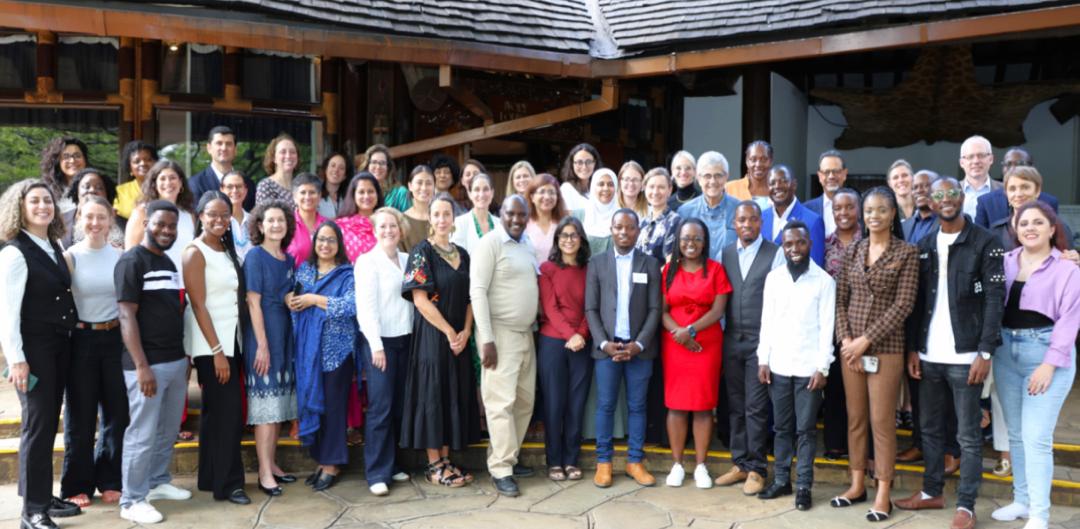
As part of efforts to sustain public attention on the issue, the Moving Minds Alliance inaugurated the Nigerian chapter of the Reporters for Early Childhood in Humanitarian Crisis (REACH) Network, a coalition of journalists committed to evidence-based reporting on children affected by humanitarian emergencies.
Global Co-Chair of the REACH Network, Mojeed Alabi, said children overlooked in public budgets often become invisible in political decision-making and national discourse.
He said the launch of the network represented a commitment by journalists to amplify the voices of vulnerable children, promote accountability and ensure early childhood development remains central to public policy and national development.
Also speaking, Interim Director and Co-Chair of the Moving Minds Alliance, Dr. Katie Murphy, described the report as the most comprehensive roadmap yet for reforming child financing in Nigeria.
According to her, the findings clearly identify where investments are falling short and outline practical steps required to close the funding gap.
Murphy disclosed that the planned Act for Early Years Financing Summit in 2027 would seek concrete commitments from governments, donors and development partners to replace fragmented funding with a system that delivers resources directly to children.
The coalition expressed optimism that by 2028, federal and state governments would have introduced dedicated ECDiC budget tags, consistently released at least 70 per cent of approved allocations annually and recorded measurable improvements in child development outcomes across local government areas.
The report concludes that unless Nigeria fundamentally reforms how it finances children during their earliest years—particularly those affected by conflict, displacement and humanitarian crises—the country risks deepening poverty, widening inequality and losing generations of human capital essential for sustainable national development.