The United Nations has reaffirmed its support for Nigeria’s efforts to promote disability-inclusive sustainable development, pledging continued collaboration through its Disability Inclusion Strategy and related technical working groups.
UN Resident and Humanitarian Coordinator in Nigeria, Mr. Mohamed Fall, made the commitment in Abuja during the commemoration of the International Day of Persons with Disabilities (IDPWD). Fall, represented by UNESCO’s Head of Office, Dr. Jean-Paul Abiaga, said the UN remains fully aligned with Nigeria’s push for equality, accessibility, and inclusion.
“Every person, regardless of ability, can live with dignity, equality, and opportunity,” Fall said. “Inclusion is not a gesture; it is a right, a responsibility, and a foundation upon which social progress rests.”
He noted that persons with disabilities are integral to Nigeria’s social fabric but continue to face barriers in education, employment, healthcare access, mobility, and participation in governance. These challenges, he stressed, are surmountable and must be addressed collectively to build a stronger, more inclusive society.
Speaking at the event, the Senior Special Assistant to the President on Special Needs and Equal Opportunities, Mohammed Isa, said President Bola Tinubu has directed all sectors to prioritise inclusion, accessibility, and equal opportunity for persons with disabilities.
Isa called for a holistic, multi-sectoral approach anchored on rights, dignity, and equality, adding that the administration remains committed to policy reforms and targeted interventions.
“I reaffirm our unwavering commitment to deepening advocacy, driving policy reforms, and making Nigeria a model of disability inclusion in Africa,” he said.
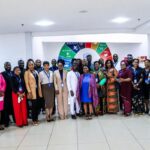
The event, themed “Green Pathways to Inclusion: Advancing Disability Rights in the Just Transition,” was jointly organised by the International Labour Organisation (ILO) and the United Nations Information Centre (UNIC).
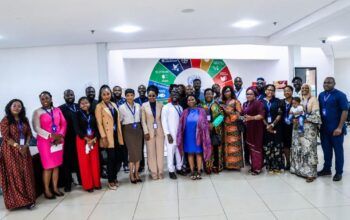
It featured remarks from the President of the Joint National Association of Persons with Disabilities (JONAPWD), Abdullahi Aliyu; the Executive Secretary of the National Commission for Persons with Disabilities (NCPWD), Ayuba Gufwan; alongside representatives of UN agencies, development partners, disability organisations, and the Global Disabilities Green Initiative (GDGI).