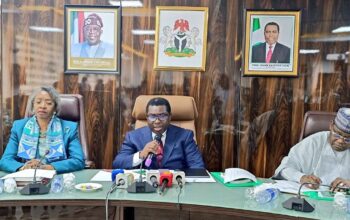
The Executive Secretary of the United Nations Framework Convention on Climate Change (UNFCCC), Simon Stiell, has emphasized that a robust national climate plan could significantly accelerate Nigeria’s economic growth, leveraging the country’s climate leadership and ongoing economic progress.
Speaking at a symposium organized by Nigeria’s National Council on Climate Change Secretariat (NCCCS) at the Lekki Conservation Centre in Lagos, Stiell underscored the importance of ambitious climate policies in mitigating the adverse human and economic effects of global warming while unlocking vast opportunities for national development.
“A strong new national climate plan can be the gateway to a new era of Nigerian growth and prosperity, powered by clean, affordable energy accessible to all,” Stiell stated. “Clean energy and sustainable agriculture will generate employment, attract foreign investment, and enhance Nigeria’s competitiveness on both regional and global scales.”
His remarks marked the conclusion of a four-day visit to Nigeria, during which he engaged with senior government officials, business leaders, and civil society representatives to discuss how climate action can drive economic transformation, improve living standards, and foster environmental protection.
Highlighting the global momentum behind clean energy investments, Stiell noted that over $2 trillion was invested in clean energy and infrastructure in 2024 alone. He emphasized that nations poised to reap the greatest benefits from this green economic shift are those that prioritize investments in their workforce and strategic resources.
“Nigeria has enormous potential to capitalize on this global transition through a well-structured national climate plan that supports investments in clean energy, critical minerals, and domestic manufacturing,” he added.
He further stressed the importance of expanding Nigeria’s vast mangrove forests—the largest in Africa and the third largest globally—as a critical natural defense against climate change. These ecosystems, he explained, act as carbon sinks and buffers against coastal erosion, extreme weather events, and rising sea levels. Restoring and preserving mangrove forests would not only enhance climate resilience but also drive sustainable economic growth.
Stiell acknowledged the significant financial resources required to implement ambitious climate initiatives and called for increased international financial support from both public and private sectors.
With climate change already costing Nigeria up to 5% of its GDP, he reiterated that investing in nature-based solutions like mangrove restoration is not just an environmental imperative but an economic necessity that can yield long-term financial benefits.
During his visit, Stiell also met with parliamentarians and senior officials in Abuja to discuss Nigeria’s strategic role as Africa’s largest economy and how a strong national climate strategy could accelerate progress across the Sustainable Development Goals (SDGs). He commended Nigeria’s ongoing climate efforts and recognized the critical work of civil society organizations in advancing climate action, women’s empowerment, and youth engagement.
Reaffirming the UNFCCC’s commitment to supporting Nigeria’s climate ambitions, Stiell called for inclusive and collaborative efforts to ensure that all segments of society contribute to and benefit from the country’s climate policies.
“There is much work ahead to ensure that the people of Nigeria fully experience the transformative benefits of bold climate action,” he stated. “That is why it is crucial that all Nigerians—across government, business, and civil society—are actively engaged in shaping and implementing new national climate plans. UN Climate Change stands ready to support Nigeria and all nations on this journey.”