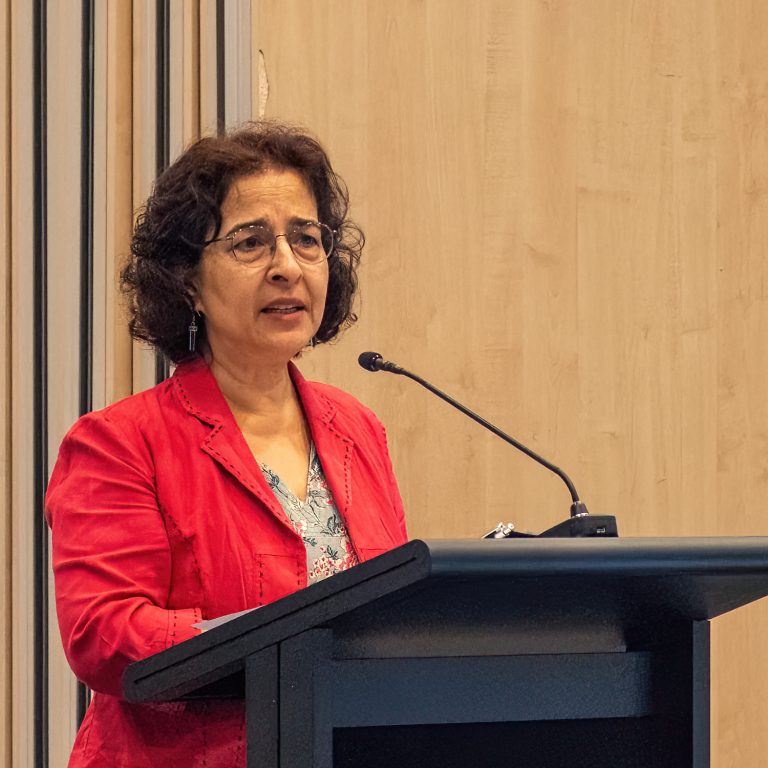
The United Nations Special Rapporteur on Freedom of Religion or Belief, Nazila Ghanea, has expressed concern over Nigeria’s worsening security situation, warning that persistent violence and inadequate protection for affected communities are fuelling fears of religious polarisation, human rights abuses and declining public confidence in state institutions.
Ghanea made the observations at the conclusion of an 11-day fact-finding mission to Nigeria, during which she held consultations with government officials, security agencies, religious leaders, civil society organisations and victims of violence in Abuja and other parts of the country.
Addressing journalists after the visit, the UN envoy said many of the testimonies she received centred on terrorist attacks, banditry, kidnappings, mass displacement and the repeated destruction of communities, particularly in rural areas.
According to her, victims described prolonged hardship, limited access to justice and inadequate security responses, with some communities reportedly resorting to informal arrangements with armed groups, including surrendering farmland or accepting coercive peace agreements to avoid further attacks.
Ghanea also raised concerns over issues relating to freedom of religion and governance, citing reports that religious affiliation continues to be requested on certain administrative forms in sectors such as education, employment and public services. She cautioned that such practices could contribute to social divisions in a multi-religious society.
The Special Rapporteur further noted that Nigeria’s plural legal framework, including the operation of blasphemy provisions and hate speech laws in some states, remains the subject of ongoing legal and constitutional debate regarding their compatibility with the country’s secular constitutional order and international human rights standards.
Her remarks come amid renewed international scrutiny of Nigeria’s record on religious freedom and human rights. The country was designated a Country of Particular Concern (CPC) by the United States government in 2020 under the administration of former U.S. President Donald Trump, a classification reserved for nations accused of serious violations of religious freedom. Although the designation was later removed during the administration of President Joe Biden, it continues to influence international discussions on Nigeria’s security and religious freedom challenges.
The issue has also attracted attention from some U.S. lawmakers and advocacy organisations, which have at various times alleged targeted attacks against Christian communities in parts of Nigeria and argued that the violence could amount to genocide.
However, the claims remain contested. Nigerian authorities and several analysts maintain that the violence is driven by a combination of factors, including terrorism, criminal banditry, communal conflicts, competition over resources and land disputes, rather than solely by religious motivations.
Meanwhile, Nigeria has continued to deepen security cooperation with the United States through intelligence-sharing arrangements, military training programmes and counterterrorism initiatives aimed at disrupting extremist networks and armed groups operating across parts of the country.
Both governments have described the collaboration as part of broader efforts to strengthen regional security and address insurgent threats in West Africa.
While noting that opinions differ on the extent to which religion is a primary driver of violence in Nigeria, Ghanea observed that the persistence of attacks and perceived lack of accountability have contributed to growing feelings of persecution among some affected communities and heightened mistrust of public institutions.
Despite these challenges, she commended the efforts of civil society groups, interfaith organisations and grassroots peacebuilding initiatives working to promote dialogue, tolerance and peaceful coexistence across the country.
The UN Special Rapporteur is expected to present a comprehensive report on her findings and recommendations to the United Nations Human Rights Council in March 2027.