UN Women has called for the strengthening of mechanisms and policies aimed at ending gender-based violence (GBV) in Nigeria, particularly technology-facilitated abuse, which it says is increasingly endangering women and girls.
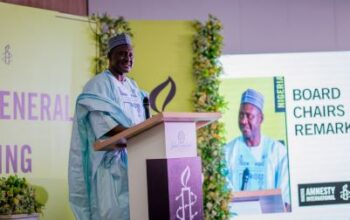
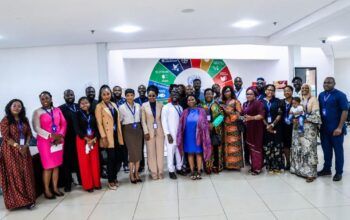
The call was made in Abuja during the National Convening of Traditional Leaders on GBV Prevention, held as part of the 2025 16 Days of Activism Against Gender-Based Violence. Traditional rulers from across the country, government officials, civil society groups and development partners attended the meeting.
Speaking on behalf of the UN Women Country Representative to Nigeria and ECOWAS, Beatrice Eyong, the Deputy Country Representative, Ms. Patience Ekeoba, warned that digital platforms are becoming major spaces for harassment, exploitation and intimidation. She stressed the need for collective community action to curb emerging forms of violence.
Ekeoba noted that despite modest progress, national surveys continue to show widespread physical, emotional and sexual abuse affecting millions of Nigerian women. She said traditional rulers—being custodians of culture with direct influence in communities—are positioned to drive meaningful reforms, enforce accountability and protect survivors.
She cited success stories from Akwa Ibom, Oyo, Enugu and Cross River States, where traditional leaders, working with government and development partners, have abolished harmful practices such as child marriage, female genital mutilation and widowhood rites. According to her, these examples show that “cultural transformation is possible when tradition aligns with justice and human dignity.”
Ekeoba reaffirmed UN Women’s commitment to supporting traditional leaders through technical assistance, capacity building and coordinated platforms, urging them to help address rising technology-enabled violence: “Technology is a powerful tool, but it has also become a weapon used to harm women and girls. We hope traditional leaders will use their influence to guide young people toward responsible digital behaviour.”
Minister of Women Affairs, Imaan Suleiman Ibrahim, said although Nigeria has developed robust legal frameworks, laws alone cannot end gender-based violence. She emphasized that legal protections must be reinforced through cultural norms, community practices and moral leadership.
“Your Majesties and Your Highnesses, Nigeria cannot defeat gender-based violence without you,” she told the traditional rulers. “You are the moral compass of our nation and the first line of defence for the vulnerable.”
The Mandate Secretary of the FCTA Women Affairs Secretariat, Dr. Adedayo Benjamins-Laniyi, described traditional rulers as “transformers and gatekeepers” whose voices can reshape societal norms and eliminate the silence that often shields perpetrators. She reaffirmed the FCTA’s commitment to partnerships that prevent violence and support survivors.
Convener-General of the Council of Traditional Leaders in Africa (COTLA) and Emir of Shonga, Haliru Yahaya Ndanusa, pledged continued collaboration by traditional institutions to end harmful practices and protect victims. He said palaces can provide safe havens for girls facing abuse and influence behaviour change when traditional leaders speak with one voice.
The convening focused on deepening commitments, sharing community-led solutions and charting practical pathways to strengthen national efforts to eliminate violence against women and girls.