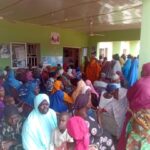
The United Nations Information Centre (UNIC) and the United Nations Educational, Scientific and Cultural Organisation (UNESCO) have joined forces to combat misinformation, disinformation, and hate speech in the digital space through capacity-building initiatives for content creators on Media and Information Literacy (MIL).
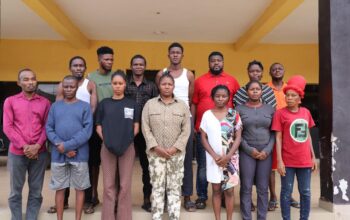
At a workshop held at the United Nations House in Abuja, the two agencies underscored the urgency of promoting truth, integrity, and responsible digital engagement in an age dominated by rapidly spreading falsehoods.
Speaking on behalf of UNESCO’s Head of Office, Abuja, Jean-Paul Ngome Abiaga, Yachat Nuhu noted that while digital technologies such as YouTube, Facebook, X (formerly Twitter), WhatsApp, Instagram, and Telegram have expanded communication across borders, they have also become platforms for misinformation, hate speech, and online harassment.
She warned that the unchecked spread of false information, particularly during elections, deepens societal divisions and undermines democracy. “When lies go unchecked, they polarise societies, deepen divisions, and erode trust in democracy,” she said.

Nuhu emphasized that Media and Information Literacy is not just a technical skill but a value-based approach to responsible communication. “It teaches us how to search, assess, and evaluate information, and how to contribute responsibly in the digital space. It is a vital tool for countering hate speech and cyberbullying,” she added.
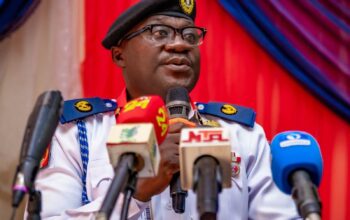
Minister of Information and National Orientation, Mohammed Idris, represented by Henshaw Ogbubike, highlighted the power of information in shaping opinions and national discourse. He cautioned that misinformation threatens public trust and unity, calling for responsible content creation to promote progress rather than division.
Idris also announced the establishment of the UNESCO International Media and Information Literacy Institute (IMILI) in Abuja, hosted by the National Open University of Nigeria (NOUN). The institute, he said, would serve as a UNESCO Category 2 Centre to attract global expertise, promote international collaboration, and strengthen Nigeria’s role in advancing media literacy.
In his remarks, UNIC’s National Information Officer, Dr. Oluseyi Soremekun, defined Media and Information Literacy as the ability to access, critically analyse, and ethically create media content. He said inclusive MIL ensures that all learners can engage meaningfully in the digital environment, while Information Integrity safeguards truth and transparency in media practices.
He outlined the UN Global Principles for Information Integrity, which promote societal trust, free and pluralistic media, transparency, and accountability in combating misinformation.
Soremekun called for collective action among governments, tech companies, civil society, and individuals to strengthen media education, promote inclusivity, and uphold human rights in the digital age. “Inclusive Media and Information Literacy, Information Integrity, and Human Rights are interconnected pillars for building fair, informed, and democratic societies,” he concluded.