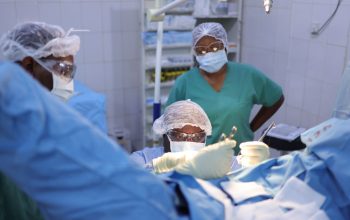
In the bustling emergency ward of Jahun General Hospital’s maternity department, a symphony of urgency and determination unfolds. Here, Médecins Sans Frontières (MSF) collaborates with the Jigawa State Ministry of Health to deliver comprehensive emergency obstetrics and newborn care, alongside fistula care. Since its inception in 2008, MSF teams have overseen a staggering 90,000 deliveries.
Nigeria currently ranks third globally in maternal mortality rates, trailing only South Sudan and Chad, as per the World Health Organization. With over 1,000 maternal deaths per 100,000 live births annually, Nigeria falls far short of the UN Sustainable Development Goals’ target of less than 70 maternal deaths per 100,000 live births by 2030.
In northern Nigeria, where more than half of the country’s population resides, maternal mortality rates surpass the national average. Limited access to antenatal and delivery care, particularly in Jigawa state, exacerbates the situation. Unity Enuebuke, MSF Nursing Activity Manager at Jahun General Hospital, underscores the severity of the issue, citing prevalent complications like anaemia, haemorrhage, and eclampsia among expectant mothers. The overwhelming patient load often stretches maternity wards to capacity, if not beyond.
Ramatu, a mother of two, shares her harrowing experience battling eclampsia during her first delivery at Jahun Hospital. Despite residing five hours away, she returned for her second delivery due to the absence of a nearby hospital operating at night. This narrative echoes across Jigawa state, where inadequate primary healthcare centers struggle to meet the needs of expectant mothers.
The lack of accessible healthcare options forces many women to resort to home births, elevating the risks associated with complications. Economic constraints further compound the issue, with skyrocketing inflation rates rendering hospital fees, medication, and transportation unaffordable for many.
Khadijah, a seasoned traditional birth attendant in Aujara community, acknowledges the importance of hospital care but acknowledges women’s hesitance, often driven by cultural norms and spousal influence. In a region where patriarchal structures and early marriages prevail, women’s autonomy over their healthcare decisions remains elusive.
To address this crisis, concerted efforts are imperative. State authorities and international organizations must bolster healthcare infrastructure and allocate sufficient funding to ensure comprehensive maternal care. Primary healthcare facilities, acting as frontline resources, require enhanced personnel training, equipment provisions, and streamlined processes for managing childbirth complications.
Abdulwahab Mohamed, MSF’s medical coordinator, emphasizes the urgency of preventive measures, advocating for robust health education programs targeting women of childbearing age. Cultural barriers obstructing women’s access to medical care must be dismantled, empowering them to make informed decisions about their health.
MSF’s collaboration with the Jigawa State Ministry of Health exemplifies a proactive approach to addressing maternal healthcare challenges. From fistula repair to comprehensive obstetrics and newborn care, their initiatives strive to bridge gaps in access and quality of care. As they expand their reach to other states, including the upcoming inauguration of a large maternity hospital in Maiduguri, MSF remains steadfast in its commitment to safeguarding maternal and neonatal health across Nigeria.